

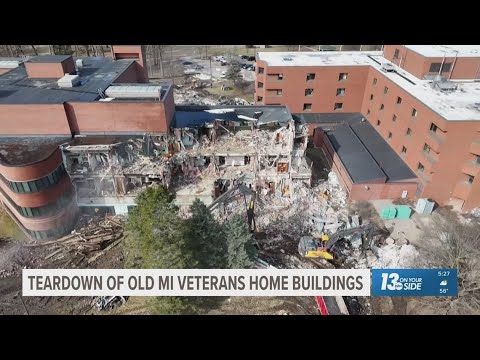
Michigan razes old Grand Rapids veterans home in shift to smaller care model
Built World Grand Rapids, MI localDemolition clears a 1940s building and a 1970s building that sat vacant since a new $63 million veterans home opened in 2021.
2 days ago: Demolition nearly completeNew here? Follow stories to track developments over time. Create a free account to get updates when stories you care about change.
Overview
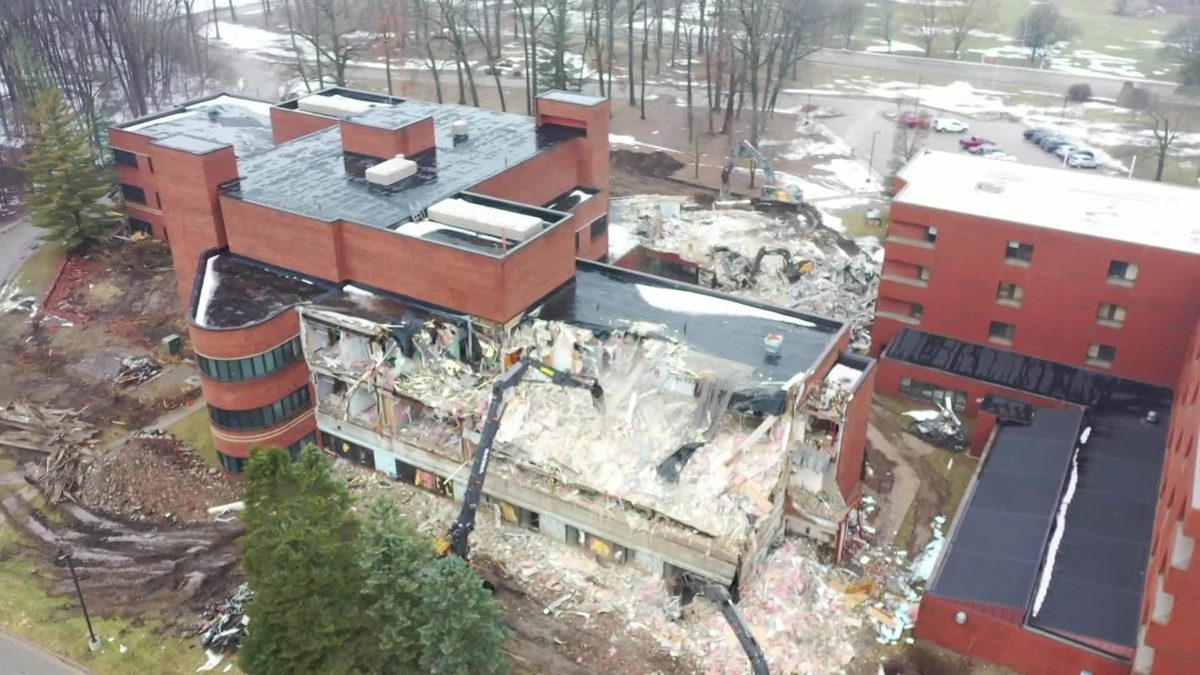
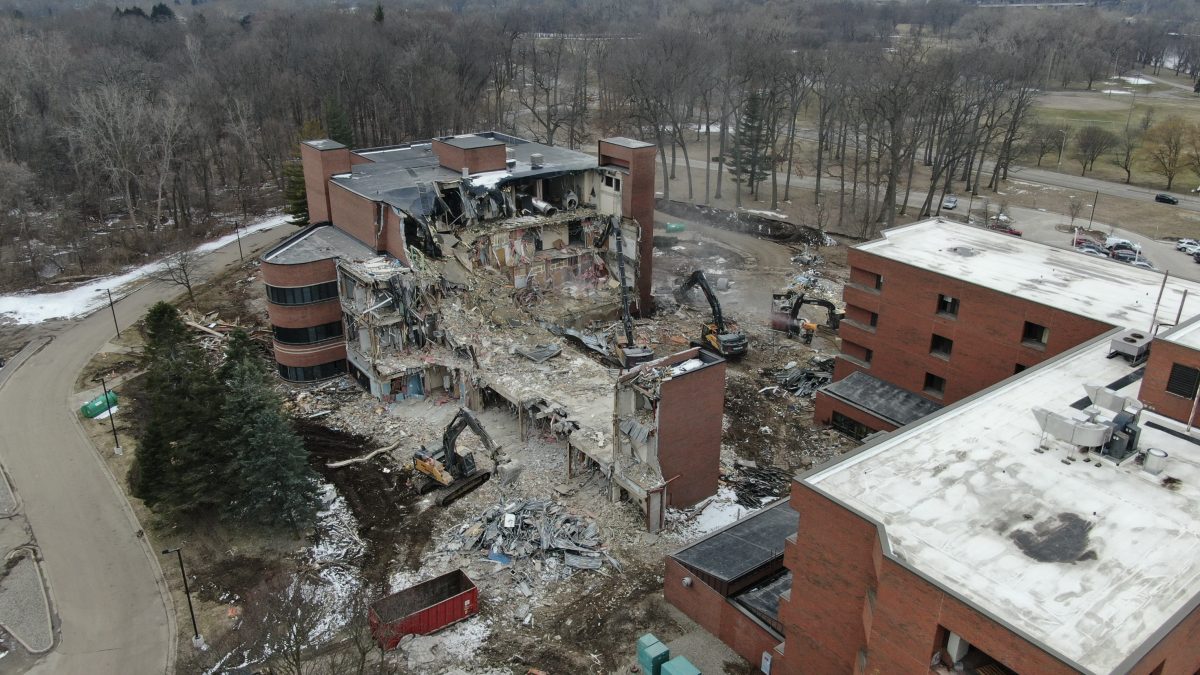
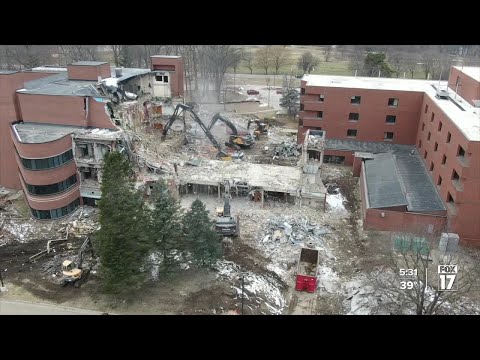
Updated 1 hour agoDemolition at the old Michigan Veterans Home in Grand Rapids is nearly finished. The site along Monroe Avenue is set to become a clean slate by early October, three years after the state opened a new facility on the same campus.
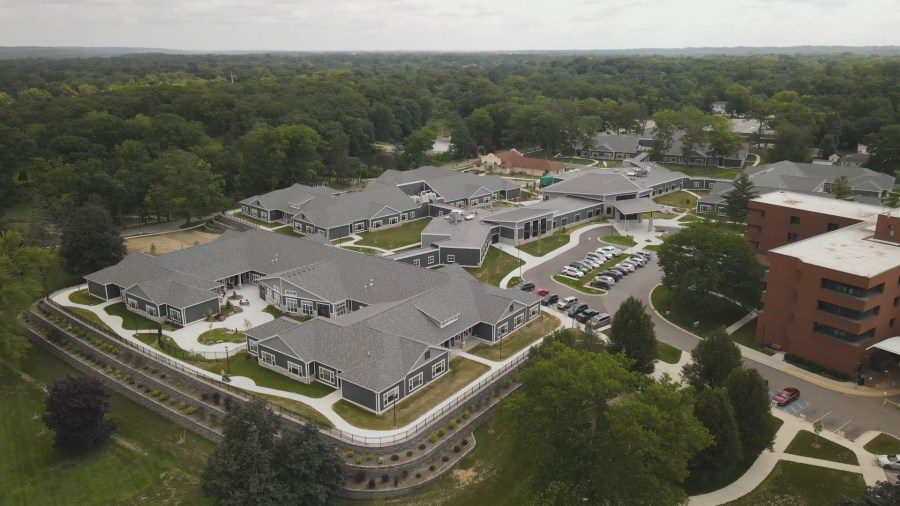
The old buildings, one from the 1940s and one from the 1970s, had sat empty since 2021. Their removal makes physical Michigan's long-term plan: replace aging hospital-style veterans homes with smaller, home-like care houses spread across the state, closer to where veterans actually lived.
Why it matters
The demolition makes real a shift in how states house aging veterans: smaller home-like care homes closer to where veterans live, not hospital-style mega-facilities.
Questions about this story
Free account needed to ask — your question is kept and asked for you right after sign-up. Answers are public.
No questions yet — be the first to ask.
Key Indicators
Voices
Curated perspectives — historical figures and your fellow readers.
Play
Exploring all sides of a story is often best achieved with Play.
Higher or Lower
A number from this story, against one from elsewhere in the news — guess which is bigger, then keep the chain going. 5 rounds, 3 strikes; a miss costs a strike and resets your streak.
Keyboard: ↓/L lower · ↑/H higher
0 points — sign up to put that on the leaderboard.
Connections
Sixteen names from the news. Find the four hidden groups of four. Four mistakes max.
Sign up to keep a daily streak — a new puzzle lands every day.
Exit debate?
Your progress in this debate will be lost.
- 1 Two AI personas square off on this story.
- 2 You predict who'll win each round — correct picks earn XP.
- 3 One crossfire question is yours to fire. Pick it carefully.
Couldn't generate a topic
Select Your Champions
Choose one persona for each side of the debate
DEBATE TOPIC
Choose personas with different perspectives for a more dynamic debate.
Select debater for this side:
No debate personas available right now.
Select debater for this side:
No debate personas available right now.
Who's Got This Round?
Make your prediction before the referee scores
The referee scores both sides on
Round Results
Set the Crossfire
Pick the question both personas must answer in the final round
Debate Oracle! You called every round!
Sharp Instincts! You know your debaters!
The Coin Flip Strategist! Perfectly balanced!
The Contrarian! Bold predictions!
Inverse Genius! Try betting the opposite next time!
XP Breakdown
Prediction History
People Involved
Organizations Involved
State-run facility on Monroe Avenue housing veterans and dependents in long-term care.
State agency responsible for Michigan's veterans homes and care programs.
Timeline
January 2021 September 2026
-
Demolition nearly complete
Latest UpdateState says the old Grand Rapids veterans home site will be a clean slate by early October.
-
Demolition begins on old buildings
InfrastructureCrews start tearing down the two vacant buildings after no repurposing plan emerges; work targets summer completion.
-
New Michigan Veterans Home opens
MilestoneState opens a $63 million facility on the Grand Rapids campus, housing 128 veterans and dependents in long-term care.
-
Old buildings sit vacant
MilestoneThe 1940s and 1970s buildings empty after the new facility opens; officials weigh repurposing them with community partners.
Historical Context
2 moments from history that rhyme with this story — and how they unfolded.
Green House Project (2003– )
A nurse and a geriatrician launched a model replacing large nursing homes with small houses of 10-12 residents, each with private rooms and staff who cook, clean, and care. The movement spread to hundreds of sites across the United States.
Residents gained more privacy and autonomy; operators reported comparable or better care outcomes.
The small-house model became a mainstream alternative to institutional nursing homes, backed by major foundations.
Michigan's plan to build smaller, home-like veterans care homes mirrors this exact shift away from large institutional settings.
Deinstitutionalization of state psychiatric hospitals (1960s–1980s)
States closed large psychiatric hospitals in favor of community-based care, following the 1963 Community Mental Health Act. Patient populations at state hospitals dropped from over 500,000 in the 1950s to well under 100,000.
Many patients moved to community settings, but funding for support services lagged.
The episode remains a cautionary tale about closing institutions before alternatives are fully funded and built.
It highlights the risk Michigan faces: the old Grand Rapids buildings are gone, and the promised network of smaller homes depends on future funding that is not yet secured.
