
Pull to refresh
Logo
Anishinaabek exhibit returns to Grand Rapids Public Museum after renovation

Anishinaabek exhibit returns to Grand Rapids Public Museum after renovation

Built World Grand Rapids, MI local

Reimagined core display returns under the theme "We are Still Here"

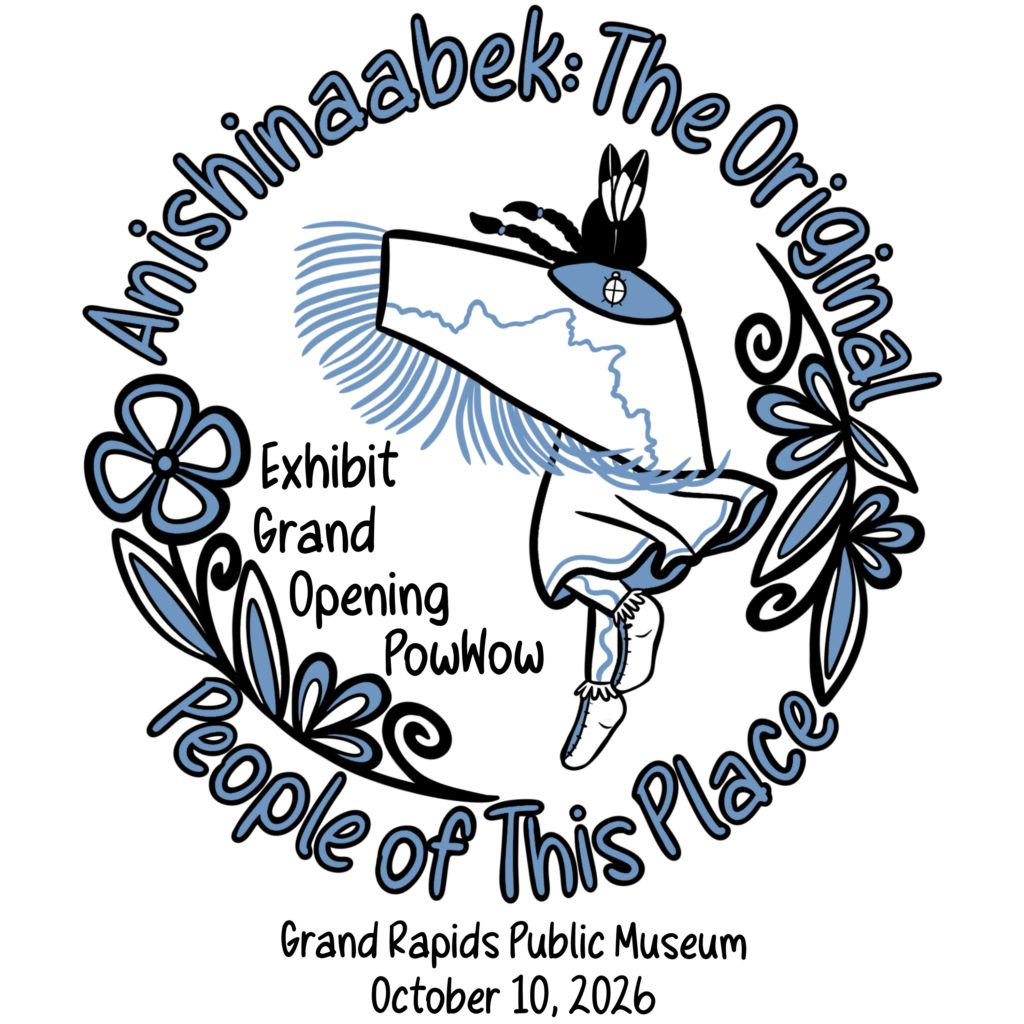
Yesterday: Grand Opening PowWow celebrates the exhibit's return

Overview

Updated 1 hour ago

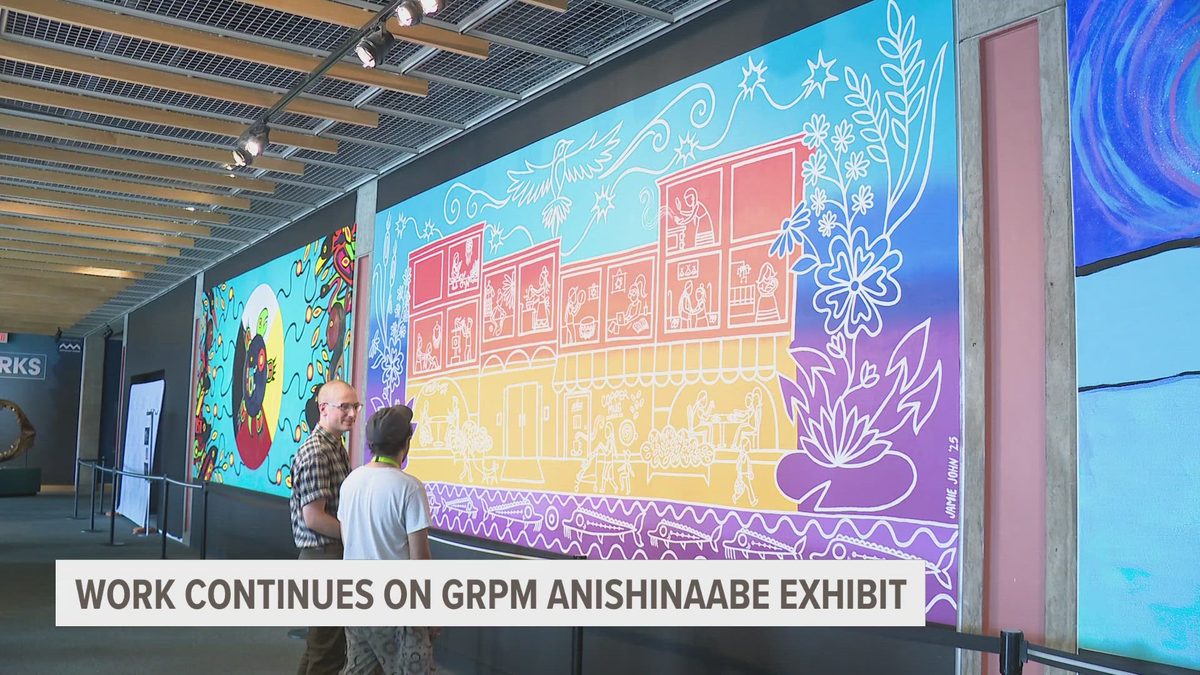
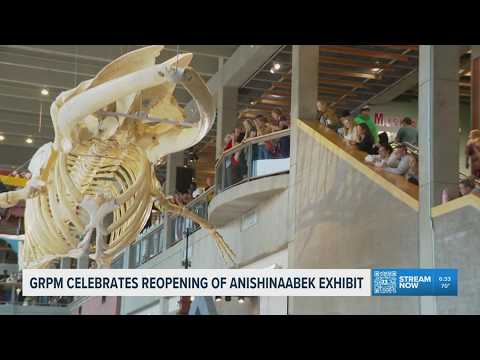
The Grand Rapids Public Museum's Anishinaabek exhibit — the story of the Ojibwe, Odawa, and Potawatomi peoples who have lived in west Michigan for millennia — closed on January 5, 2025. It reopens to the public on Monday, October 12, 2026, reimagined around the theme "We are Still Here."

The theme is the point: the display presents the Anishinaabek as a living people in the present tense, not as a vanished past. The museum marked the return with a Grand Opening PowWow on the evening of October 10, closing to visitors at 4 p.m. that day for the celebration.

Why it matters

A major Midwest museum now presents the Anishinaabek as a present, living people rather than a vanished past.

Monday: what changed in Grand Rapids, MI

One short email a week with the openings, closings, permits and council votes we covered. Free. Unsubscribe in one click.

Questions about this story

Free account needed to ask — your question is kept and asked for you right after sign-up. Answers are public.

No questions yet — be the first to ask.

Key Indicators

21 months
Exhibit off the floor before reopening
Closed Jan. 5, 2025; reopens to the public Oct. 12, 2026.
250,000+
Artifacts and specimens in museum collection
Count the museum publishes for its collection.
1854
Year the museum was founded
Founded as the Grand Rapids Lyceum of Natural History.
"We are Still Here"
Reimagined exhibit's organizing theme
Frames the Anishinaabek as a living, present people.

Voices

Curated perspectives — historical figures and your fellow readers.

Ever wondered what historical figures would say about today's headlines?

Sign up to generate historical perspectives on this story.

Organizations Involved

Timeline

January 2025 October 2026

2 events Latest: Yesterday
  1. Grand Opening PowWow celebrates the exhibit's return

    Latest Reopening

    The museum closed at 4 p.m. for a 6-9 p.m. PowWow celebrating the reimagined exhibit, themed "We are Still Here," which opens to the public on October 12.

  2. Anishinaabek exhibit closes for renovation

    Closure

    The Grand Rapids Public Museum took its core Anishinaabek display off the floor for updates after years on view.

Scenarios

1

GRPM formalizes Anishinaabek advisory council

Possible Resolves by End of 2027

Discussed by: Local press and tribal museum advocates following the reopening

The powwow and community-centered framing suggest an active relationship between the museum and Anishinaabek nations. A formal step would make it permanent: a standing advisory body with ongoing authority over how the exhibit is presented and updated.

2

Tribal nations file NAGPRA repatriation claims against GRPM

Possible Resolves by End of 2027

Discussed by: Tribal historic preservation offices

Rethinking how Native heritage is shown often raises questions about items still held in collections. Tribal nations could file claims under the federal Native American Graves Protection and Repatriation Act for artifacts or remains in the museum's holdings.

3

Peer museum cites GRPM exhibit as a co-curation model

Unlikely Resolves by Q2 2028

Discussed by: American Alliance of Museums and museum studies press

Museums nationwide are struggling with how to display Native heritage after 2024 rule changes tightened tribal consent requirements. If GRPM's approach is seen as a workable template, a peer institution would cite it publicly when announcing its own community-led exhibit work.

Historical Context

2 moments from history that rhyme with this story — and how they unfolded.

January 2024

American Museum of Natural History closes Native halls (2024)

After new federal rules took effect requiring tribal consent before museums could display Native cultural items, the American Museum of Natural History in New York closed two halls of Eastern Woodlands and Great Plains artifacts. The museum had not yet arranged that consent.

Then

The halls stayed shut while the museum consulted with tribes about which items could be shown.

Now

The move normalized the idea that Native objects cannot be displayed without tribal sign-off.

Why this matters now

Shows the regulatory pressure behind the shift GRPM embraced voluntarily — Native communities gaining authority over how their heritage appears in museums.

1989

National Museum of the American Indian established (1989)

Congress created the Smithsonian's National Museum of the American Indian, mandating that Native peoples be consulted in its design and operation. It opened on the National Mall in 2004.

Then

Established a federal institution built around Native voices rather than outsider depictions.

Now

Set a national standard for co-curation with source communities.

Why this matters now

GRPM's reimagined exhibit is a smaller-scale version of the same idea: a community's story told with the community's voice.

Sources

(3)