


Pull to refresh
Logo
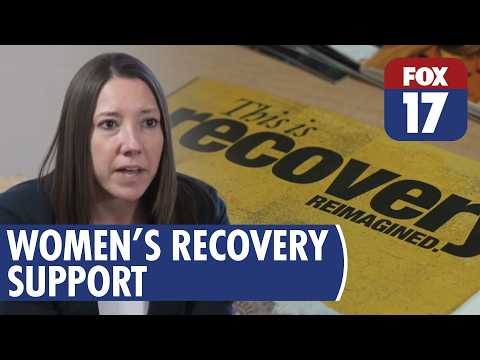
Guiding Light launches Women's Collective to support addiction recovery

Guiding Light launches Women's Collective to support addiction recovery

New Capabilities Grand Rapids, MI local

Membership group funds free, long-term recovery program for women in Grand Rapids

Yesterday: Guiding Light launches Women's Collective

Overview

Updated 1 hour ago

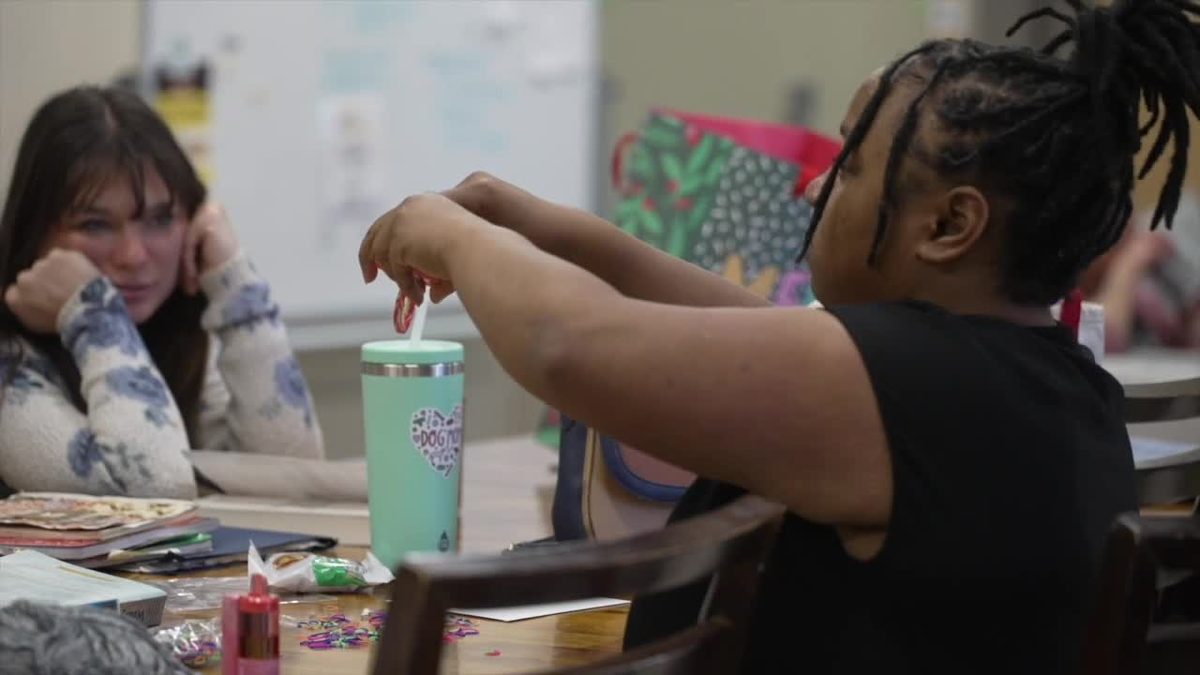
Guiding Light, the Grand Rapids nonprofit that runs Iron House transitional housing for men, launched its Women's Collective on October 20, 2026. The membership group's $25 monthly dues and volunteer work fund the organization's free Women's Recovery Program.

The stakes are about access. Women's recovery programs in West Michigan are hard to find, and those that exist typically require insurance or steep out-of-pocket costs. Guiding Light's program is free and donor-funded, so the collective's ability to recruit paying members determines whether more women get a bed.

Why it matters

Free women's addiction treatment is scarce in West Michigan, and the new collective is the funding engine that could expand it.

Monday: what changed in Grand Rapids, MI

One short email a week with the openings, closings, permits and council votes we covered. Free. Unsubscribe in one click.

Questions about this story

Free account needed to ask — your question is kept and asked for you right after sign-up. Answers are public.

No questions yet — be the first to ask.

Key Indicators

$25
Monthly membership fee
Women's Collective members pay $25 per month, with dues going directly to the Women's Recovery Program.
16
Women housed in transitional homes
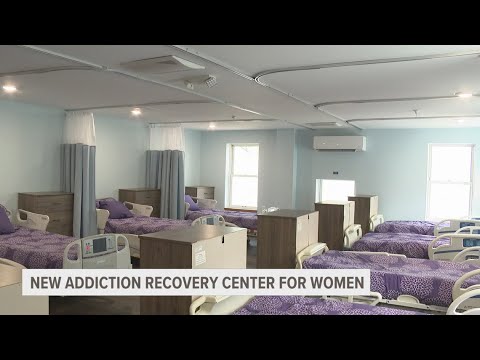
Two houses bought in 2022 host up to 16 women transitioning out of inpatient treatment.
6
Iron House locations for men
Guiding Light's men's transitional housing program spans six locations around Kent County.
1 in 12
Women who struggled with substance abuse
About 1 in 12 women struggled with substance abuse in the past year, according to Guiding Light.

Voices

Curated perspectives — historical figures and your fellow readers.

Ever wondered what historical figures would say about today's headlines?

Sign up to generate historical perspectives on this story.

People Involved

Organizations Involved

Timeline

November 2022 October 2026

2 events Latest: Yesterday
  1. Guiding Light launches Women's Collective

    Latest Launch

    Membership group launches with $25 monthly dues to fund free women's recovery program.

  2. Guiding Light announces women's recovery program

    Announcement

    Announces Women's Recovery Program; two houses will host up to 16 women leaving inpatient treatment.

Scenarios

1

Guiding Light expands women's recovery housing

Likely Resolves by End of 2027

Discussed by: Guiding Light leadership, which modeled the women's program on its men's Iron House expansion to six locations

If membership grows and dues accumulate, Guiding Light follows the path it took with its men's program. The organization has said since 2022 that it wants to add a full residential treatment program for women. New transitional homes or a full treatment program would come as the collective demonstrates sustained support.

2

Women's Recovery Program holds at current capacity

Possible Resolves by End of 2027

Discussed by: Guiding Light's own track record — the women's program was announced in 2022 and still operates with the initial two houses

Membership dues and volunteer energy keep the Women's Recovery Program running at its current 16-bed transitional capacity without funding an expansion. The collective hosts its quarterly events, and the program continues operations on donor support.

3

Women's Collective fades within two years

Unlikely Resolves by End of 2027

Discussed by: A structural risk of any membership-based nonprofit — retention is the hardest part of a launch

Initial launch enthusiasm doesn't convert into lasting membership. Quarterly events draw smaller crowds, dues plateau, and the collective's activities wind down. The recovery program itself continues on other donor funding.

Historical Context

3 moments from history that rhyme with this story — and how they unfolded.

1988

Hazelden opens women's program (1988)

Hazelden, the Minnesota center that made the Minnesota Model of addiction treatment famous, admitted its first women patients in 1988 after decades of serving mostly men. The program added counseling for trauma and other issues that disproportionately affect women in recovery.

Then

Women gained access to the same evidence-based treatment as men, with services redesigned around their specific needs.

Now

Hazelden's move helped normalize gender-specific programming across the addiction treatment field.

Why this matters now

Like Hazelden, Guiding Light built its reputation on a men's program before adding a women's track, citing the same gap in services.

1972

First rape crisis centers (1972)

The first rape crisis center opened in Berkeley, California, in 1972, organized by women's movement activists after hospitals and police failed to address sexual assault. It was staffed by volunteers and operated without institutional funding.

Then

The model spread quickly; within years, rape crisis centers operated in dozens of American cities.

Now

Established the pattern of women organizing their own services when existing institutions don't meet their needs.

Why this matters now

The Women's Collective uses the same approach — women raising money and volunteer time to fill a service gap for other women.

1939

Marty Mann in early Alcoholics Anonymous (1939)

Marty Mann became the first woman to achieve long-term sobriety in Alcoholics Anonymous, which men had founded in 1935. She later founded the National Council on Alcoholism in 1944 to destigmatize addiction.

Then

Mann's sobriety and advocacy opened AA to more women, though gender-based stigma persisted.

Now

Her work established that addiction treatment must account for women's distinct social pressures, including stigma.

Why this matters now

Guiding Light's collective aims to break the same lingering stigma for women seeking addiction treatment today.

Sources

(5)