
Pull to refresh
Logo
Grand Rapids backs volunteer snow-shoveling program for elderly residents

Grand Rapids backs volunteer snow-shoveling program for elderly residents

Built World Grand Rapids, MI local

A city grant fund distributes $76K to 25 neighborhood projects, including a service that pairs volunteers with mobility-impaired residents.

3 days ago: Snow Angel Project receives city grant

Overview

Updated 1 hour ago

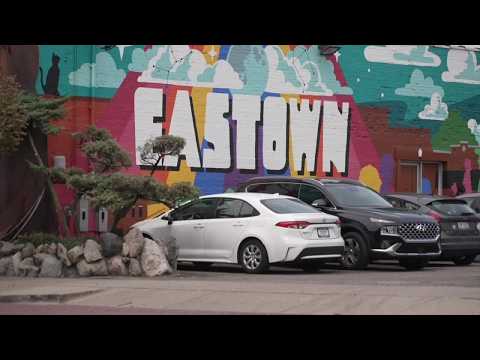
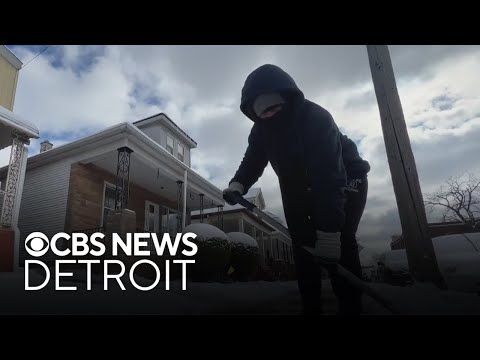
For older and mobility-impaired residents in Grand Rapids, Michigan, clearing snow and ice from driveways and sidewalks is a serious obstacle. The Eastown Community Association launched the Snow Angel Project last winter to solve that problem, pairing volunteers with residents who can't shovel themselves. The program worked, so organizers wanted to bring it back—but needed money to do it.

On September 3, 2026, the city approved $76,000 in grants to 25 neighborhood projects through its Neighborhood Match Fund (NMF). The Snow Angel Project is among them. This isn't just a feel-good local story—it's a small but concrete example of how a city's matching-grant structure can turn a neighborly idea into a repeatable public service.

Why it matters

If this grant model works, it could become a template for how cities fund hyper-local solutions to keep vulnerable residents safe in winter—at a fraction of the cost of city-run programs.

Questions about this story

Free account needed to ask — your question is kept and asked for you right after sign-up. Answers are public.

No questions yet — be the first to ask.

Key Indicators

$76,000
Total city grants distributed
Awarded to 25 resident-led projects in this funding round.
$500–$5,000
Individual grant range
Standard range for Neighborhood Match Fund awards.
$1.1M
Total NMF funds awarded since 2017
Cumulative investment in neighborhood projects over nine years.
25
Projects funded this round
Resident-led initiatives, including the Snow Angel Project.

Voices

Curated perspectives — historical figures and your fellow readers.

Ever wondered what historical figures would say about today's headlines?

Sign up to generate historical perspectives on this story.

Play

Exploring all sides of a story is often best achieved with Play.

Most of these play right now — no account needed. Sign up to save scores, keep a streak, and unlock Debate and Predict. Log in Sign Up
Predict 3 ways this could play out. Back the one you believe — contrarian picks score more when a scenario has a resolution date. Log in to play

People Involved

Organizations Involved

Timeline

January 2017 September 2026

3 events Latest: 3 days ago
  1. Snow Angel Project receives city grant

    Latest Funding

    City distributes $76K to 25 neighborhood projects; Snow Angel gets funded for second season.

  2. Snow Angel Project launches

    Program Launch

    Eastown Community Association pairs volunteers with elderly and mobility-impaired residents to clear snow.

  3. Neighborhood Match Fund established

    Program Launch

    City creates grant program for resident-led neighborhood projects.

Historical Context

2 moments from history that rhyme with this story — and how they unfolded.

1940s-1960s

Snow Brigades in U.S. Cities (Post-WWII Era)

After World War II, many U.S. cities organized volunteer 'snow brigades'—especially in the Northeast and Midwest—where neighbors would help clear sidewalks for elderly residents and essential workers. These were often coordinated by block captains or civic associations, not city governments.

Then

These brigades provided essential service during harsh winters when city plows couldn't reach every residential street.

Now

As cities expanded plowing services and populations aged, the informal brigades largely faded by the 1970s, replaced by municipal services.

Why this matters now

The Snow Angel Project is a modern revival of this idea: neighbor-to-neighbor winter help, but now supported by a formal city grant structure rather than informal coordination.

1990s–present

Empty Bowls Movement (1990s–present)

Started by a Michigan high school art teacher in 1990, the Empty Bowls project invited potters to create ceramic bowls, sell them at community dinners, and donate proceeds to local food banks. The idea spread nationally as a template for how a simple local project can be replicated with minimal funding.

Then

The project raised thousands for local food banks in its first years.

Now

Empty Bowls became a global template for community fundraising, with events in hundreds of cities.

Why this matters now

Like Empty Bowls, the Snow Angel Project shows how a single neighborhood's idea can become a replicable model—this time with city matching funds as the catalyst.

Sources

(1)