
Pull to refresh
Logo
Grand Rapids proclaims lead poisoning prevention week as city removes lead lines

Grand Rapids proclaims lead poisoning prevention week as city removes lead lines

Built World Grand Rapids, MI local

Mayor and commission back awareness push tied to the city's ongoing replacement of aging water pipes

Overview

Updated 50 minutes ago

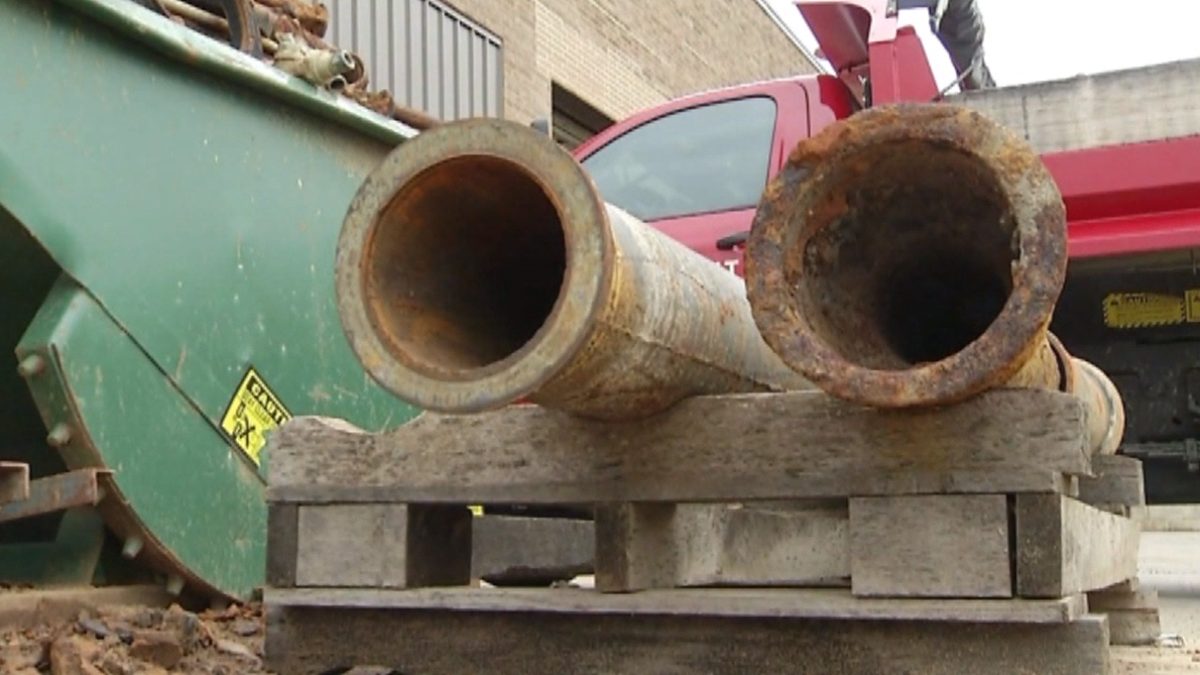
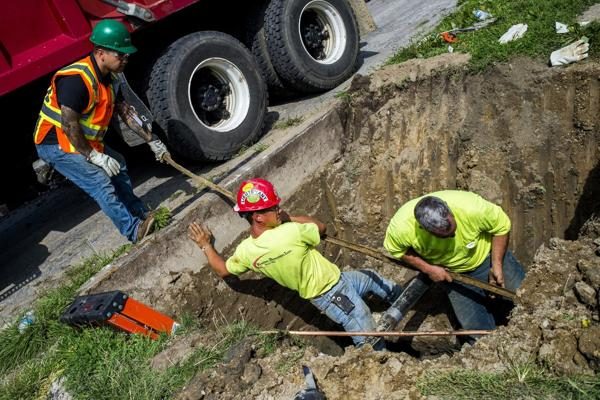
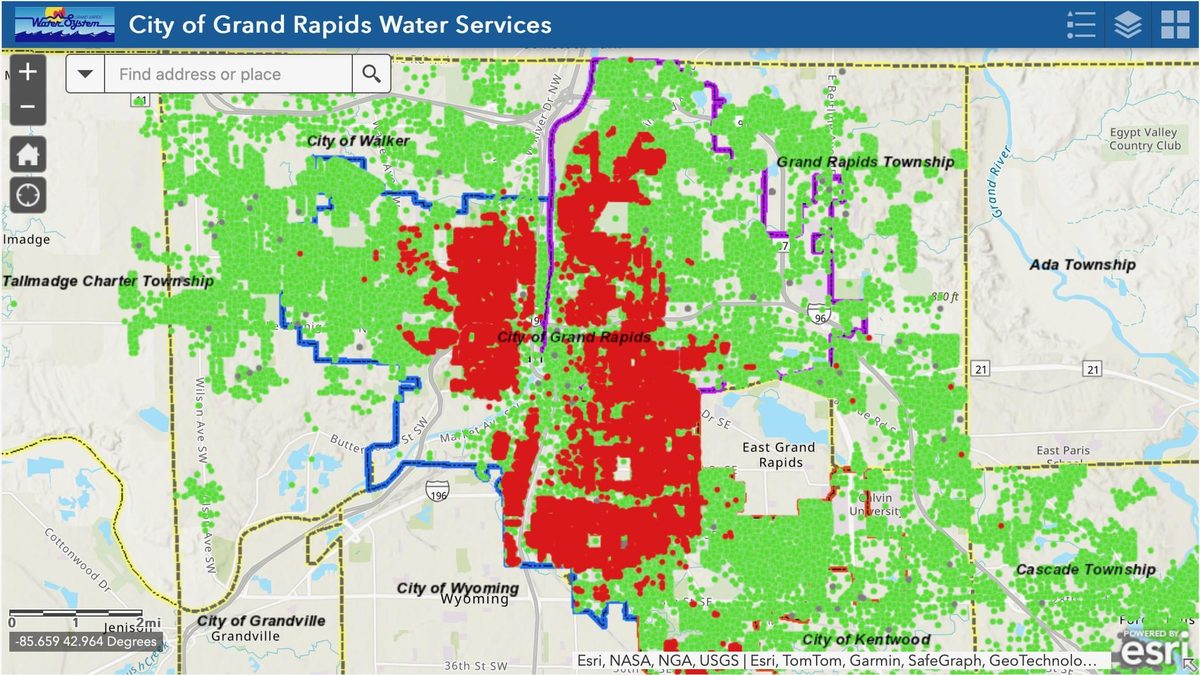
Grand Rapids' mayor and city commission approved a proclamation this week designating October 25-31 as National Lead Poisoning Prevention Week. The resolution backs an awareness campaign tied to real infrastructure work: crews are replacing lead service lines that feed drinking water into homes.

Lead exposure harms children's brain development, and old pipes are the main remaining source of lead in many cities' water. The city is pairing education and community partnerships with the pipe replacements to cut that risk.

Why it matters

Lead in old water pipes threatens children's development; whether Grand Rapids finishes replacing its lines before more families are exposed is the question.

Monday: what changed in Grand Rapids, MI

One short email a week with the openings, closings, permits and council votes we covered. Free. Unsubscribe in one click.

Questions about this story

Free account needed to ask — your question is kept and asked for you right after sign-up. Answers are public.

No questions yet — be the first to ask.

Key Indicators

Oct 25-31, 2026
Designated prevention week
City proclamation recognizing the week for lead poisoning awareness.
Underway
City lead service line replacement
The city references its ongoing program to replace lead service lines in the awareness push.

Voices

Curated perspectives — historical figures and your fellow readers.

Sign up to generate historical perspectives on this story.

People Involved

Organizations Involved

Timeline

1 event Latest: 3 days ago
  1. Grand Rapids designates lead poisoning prevention week

    Latest Government action

    Mayor and commission approve proclamation for Oct 25-31, urge lead-risk education.

Scenarios

1

Grand Rapids discloses lead line replacement progress

Possible Resolves by End of 2027

Discussed by: City staff and residents tracking the municipal program

The city has not published specific counts of how many lead service lines it has replaced. If it reports such figures in its next annual performance review or a news release, the program becomes easier to track. That reporting would let residents and regulators gauge whether replacement is on pace.

2

Elevated lead traced to Grand Rapids drinking water

Unlikely Resolves by End of 2028

Discussed by: Public health officials and environmental advocates

No elevated lead in the city's water has been reported. The risk scenario is a case where a child tests positive for elevated blood lead and health officials trace it to the water system. That finding would sharpen urgency behind the replacement program.

3

Grand Rapids completes lead service line replacement

Uncertain Resolves by End of 2034

Discussed by: City officials and federal regulators

The replacement program has no published completion date. Federal rules pushed utilities to remove lead service lines within roughly a decade, so the end state is a formal city announcement that all lines are replaced. Until then, work continues line by line.

Historical Context

2 moments from history that rhyme with this story — and how they unfolded.

April 2014 - January 2016

Flint water crisis (2014-2016)

Flint switched its drinking water source to the Flint River in April 2014 without adding corrosion control. Lead leached from old pipes, exposing thousands of children. A state of emergency was declared in January 2016.

Then

Flint returned to Detroit water; lawsuits led to a $97 million settlement in 2017.

Now

The crisis spurred federal rule changes and nationwide attention to lead service lines.

Why this matters now

Same state, same hazard: lead from aging pipes. It shows what happens when corrosion goes unmanaged and why Grand Rapids' replacement work matters.

2001-2004

Washington D.C. lead spike (2001-2004)

D.C.'s water utility changed its disinfectant in 2001, raising water acidity and leaching lead from solder and lines. Families were not told until 2003-2004, after tests showed sharp spikes.

Then

The utility distributed filters, replaced some lines, and officials faced criticism for withholding results.

Now

The episode pushed the EPA to tighten lead rules and underscored the cost of slow disclosure.

Why this matters now

Shows how treatment chemistry and aging pipes combine to create lead exposure, and how transparency affects public trust.

Sources

(2)