


Pull to refresh
Logo
Grand Rapids board to hear nuisance assessment appeals Sept. 22

Grand Rapids board to hear nuisance assessment appeals Sept. 22

Rule Changes Grand Rapids, MI local

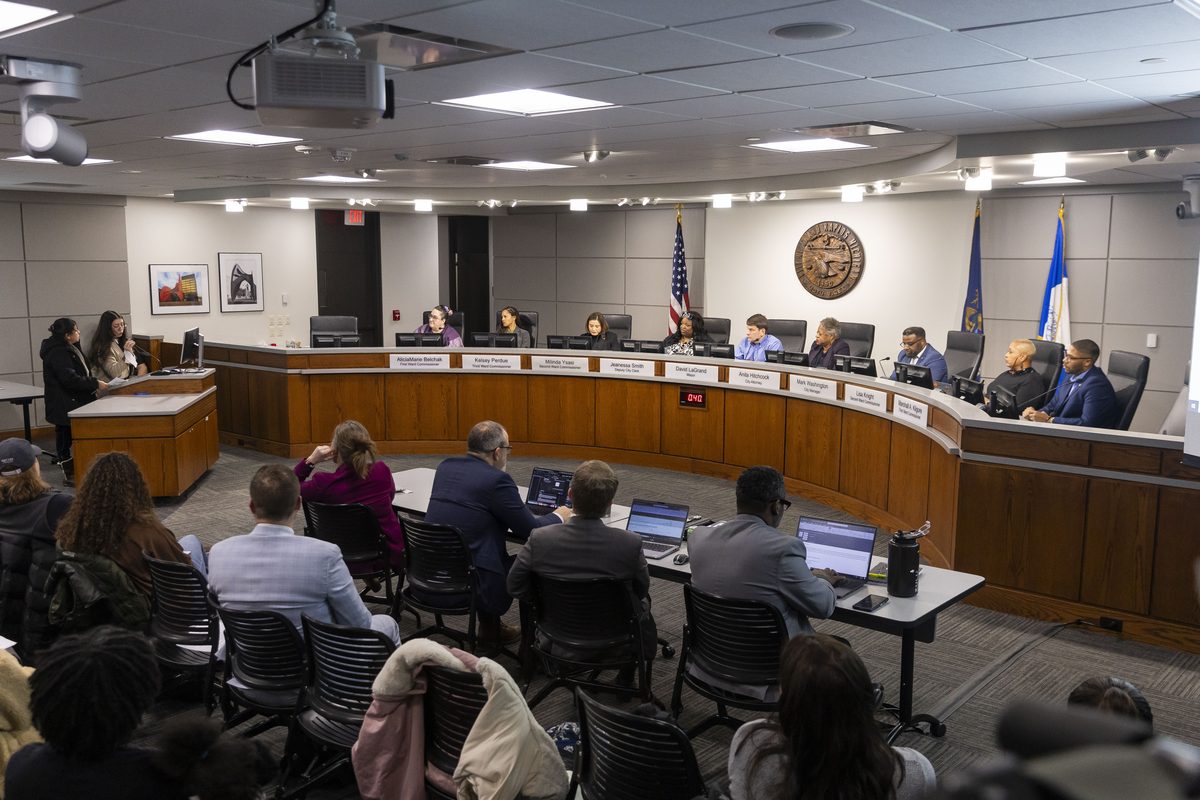
City Commission convenes as Board of Review on Nuisance Roll 8808

Today: Agenda lists Sept. 22 appeals hearing

Overview

Updated 2 hours ago

Grand Rapids property owners hit with fees for code violations get one in-person shot at fighting them Tuesday. The City Commission will convene as a Board of Review to hear appeals on Special Assessment Nuisance Roll 8808.

These aren't property tax bills. They're charges for ordinance violations, and the hearing is where owners argue the charge is wrong before the city mails its final decision. Written appeals are already on file; Tuesday is the live review.

Why it matters

Owners who win their appeal don't pay the charge; how the board rules shapes how the city collects code-violation fees.

Questions about this story

Free account needed to ask — your question is kept and asked for you right after sign-up. Answers are public.

No questions yet — be the first to ask.

Key Indicators

Sept. 22, 2026
Hearing date
City Commission convenes as Board of Review for Nuisance Roll 8808 appeals.
2 days
Notice-to-hearing window
From agenda posting on Sept. 19 to the Sept. 22 hearing.
8808
Assessment roll
The nuisance roll under appeal; owners were charged for ordinance violations.

Voices

Curated perspectives — historical figures and your fellow readers.

Ever wondered what historical figures would say about today's headlines?

Sign up to generate historical perspectives on this story.

People Involved

Organizations Involved

Timeline

April 2026 September 2026

3 events Latest: Today
  1. Commission convenes as Board of Review

    Upcoming Hearing

    City Commission hears in-person appeals on Nuisance Roll 8808 special assessments.

  2. Agenda lists Sept. 22 appeals hearing

    Today Announcement

    City publishes agenda scheduling a public hearing on Nuisance Roll 8808 appeals.

  3. Commission hears Downtown Improvement District assessment

    Hearing

    Separate special assessment hearing (Roll 8806) includes debate over a three-year ambassadors contract.

Scenarios

1

Most appeals denied; assessments stand

Likely Resolves by Oct 15, 2026

Discussed by: City staff practice; no public forecasts for this hearing

The Assessor's and City Attorney's offices review each appeal and present recommendations. Where the code violation is documented, the board typically upholds the assessment. Owners who didn't prove an error get denied.

2

Commission modifies several assessments

Possible Resolves by Oct 15, 2026

Discussed by: City practice; partial adjustments occur when staff and owner agree on error

When the Assessor's review finds an error in amount, a duplicate charge, or a miscalculated fee, the commission reduces the assessment. Property owners who provided evidence of error get a partial or full adjustment.

3

Commission cancels some assessments

Unlikely Resolves by Oct 15, 2026

Discussed by: Property owners appealing; rare outcome

Owners who show the code violation was remedied before the charge, or that they were wrongly cited, may get the assessment canceled entirely. This is the least common outcome and requires clear evidence.

Historical Context

2 moments from history that rhyme with this story — and how they unfolded.

2008–present

Post-2008 nuisance abatement push (2008–present)

After the foreclosure crisis, cities like Detroit, Cleveland, and Flint leaned on nuisance fees and liens to force owners to repair blighted properties. Grand Rapids uses similar ordinance-based enforcement.

Then

Owners with repeated violations faced fines and property liens.

Now

Appeal systems like this board review became a check against overcharging.

Why this matters now

Shows the pattern of using code-violation charges to enforce property standards, which is why Nuisance Roll 8808 exists.

Early 1900s–present

Michigan special assessment tradition (early 1900s–present)

Michigan cities have used special assessments for over a century to fund sidewalks, sewers, and street lighting. Owners pay a share based on how much their property benefits from the improvement.

Then

Assessments became a standard funding tool for local improvements.

Now

Appeal mechanisms, where boards review owner challenges, have been built into the process for decades.

Why this matters now

Explains why a city commission can sit as a Board of Review to decide property charge appeals.

Sources

(3)

More from Grand Rapids, MI

Openings, permits and council decisions in Grand Rapids, MI, in your inbox every Monday.