
Pull to refresh
Logo
Granite-Super JV wins final Big Creek tunnel in Cleveland's $3B sewer program

Granite-Super JV wins final Big Creek tunnel in Cleveland's $3B sewer program

Built World

The last of seven storage tunnels under Project Clean Lake, closing a sewer-overflow program launched in 2011

3 days ago: Granite announces Big Creek Tunnel contract

Overview

Updated 1 hour ago

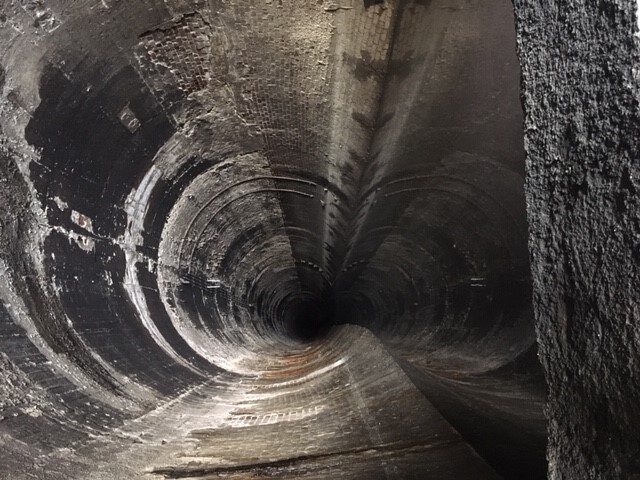
Cleveland's sewers carry sewage and stormwater in a single pipe, so heavy rain forces the mix to overflow into creeks and Lake Erie. The Northeast Ohio Regional Sewer District has spent 15 years digging storage tunnels to hold that flow. On October 1, contractor Granite announced the award for the program's last tunnel.

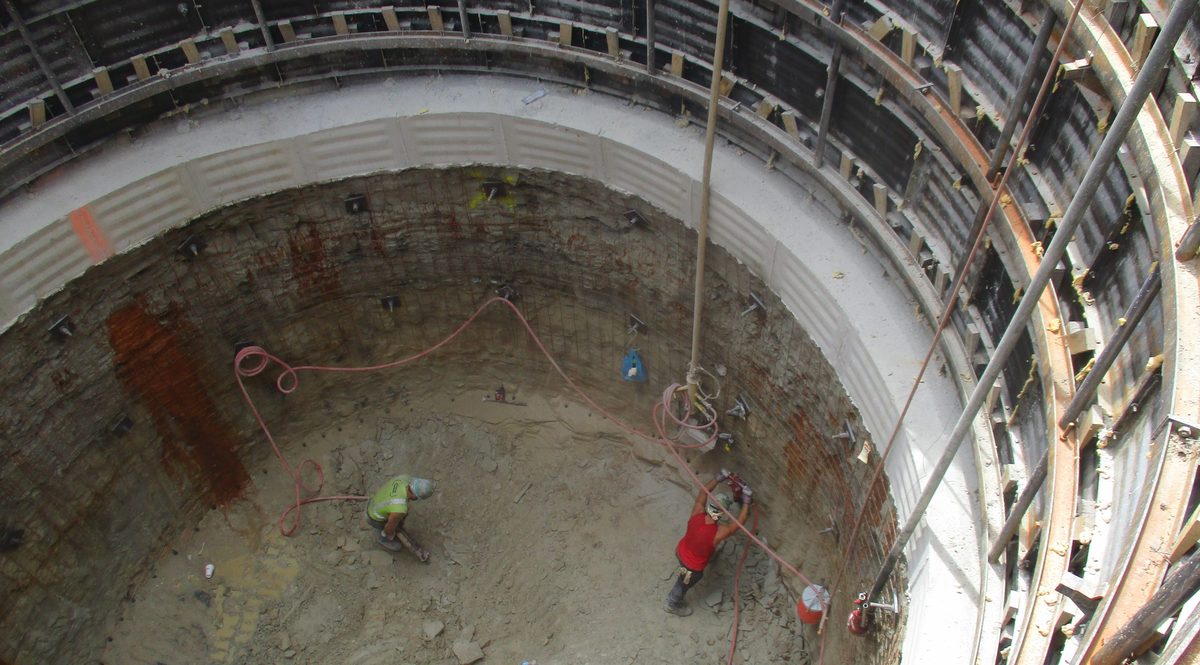
The $324.8 million Big Creek Tunnel is the seventh and final large-diameter storage tunnel under Project Clean Lake, the district's $3 billion, 24-year program. Once it operates, it will keep roughly 550 million gallons of combined sewer overflow out of local waterways each year. The award closes out the program's tunnel work.

Why it matters

Once online, the tunnel cuts 550 million gallons of combined sewer overflows a year from Cleveland's waterways and Lake Erie.

Questions about this story

Free account needed to ask — your question is kept and asked for you right after sign-up. Answers are public.

No questions yet — be the first to ask.

Key Indicators

$324.8M
Big Creek Tunnel contract value
Awarded to Granite-Super Joint Venture, about 8% above the engineer's $300 million estimate.
22,300 ft
Main tunnel length
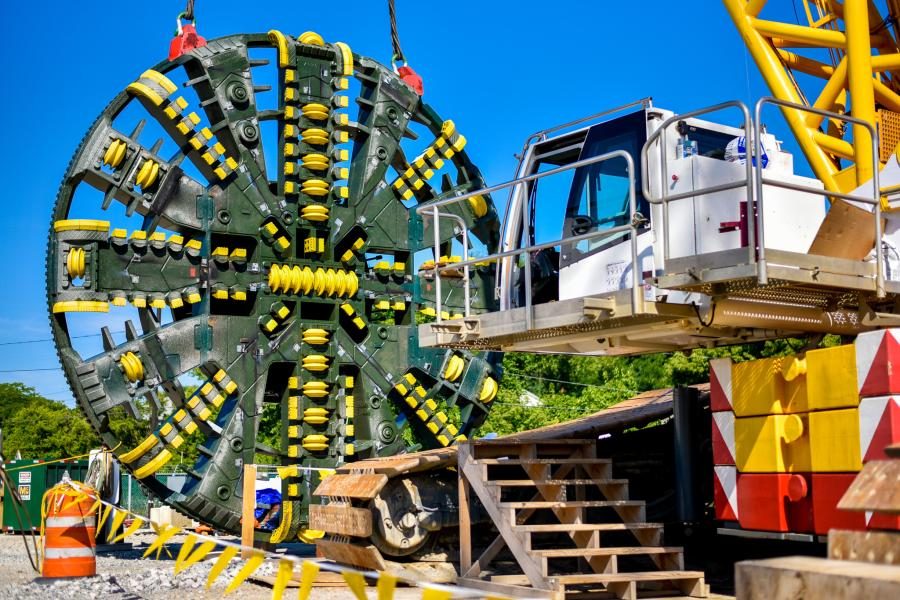
A 20-foot-diameter bore running more than four miles through rock, 50 to 100 feet below ground.
550M gallons
Annual combined sewer overflow eliminated
The tunnel captures sewage and stormwater from 11 overflow outfalls once operating.
$3B
Project Clean Lake program investment
NEORSD's 24-year program pairs storage tunnels with treatment upgrades and green infrastructure.

Voices

Curated perspectives — historical figures and your fellow readers.

Ever wondered what historical figures would say about today's headlines?

Sign up to generate historical perspectives on this story.

People Involved

Organizations Involved

Timeline

January 2011 October 2026

3 events Latest: 3 days ago
  1. Granite announces Big Creek Tunnel contract

    Latest Contract Announcement

    Granite confirms the $324.8M award, the final storage tunnel under Project Clean Lake.

  2. NEORSD board approves Big Creek award

    Contract Award

    Trustees approve the Granite-Super JV bid of $324,821,130, lowest of four bidders.

  3. NEORSD launches Project Clean Lake

    Program Launch

    District starts a $3 billion, 24-year effort to cut combined sewer overflows into Lake Erie.

Scenarios

1

Big Creek Tunnel completes on schedule by winter 2030

Likely Resolves by Q2 2031

Discussed by: Granite's announcement and Construction Review

Construction begins in fall 2026 and finishes in winter 2030, as Granite projects. The bore proceeds through competent rock, the joint venture holds cost, and the district closes out Project Clean Lake's seven-tunnel network on its own timetable.

2

Tunnel completion slips past 2031 on rock or cost issues

Possible Resolves by End of 2032

Discussed by: Tunneling Online, which projected completion through 2031

Boring four-plus miles of hard rock 50 to 100 feet down is prone to ground conditions and schedule slips. The contract already runs about 8% above the engineer's estimate, and change orders on rock tunnels are common. Completion stretches into 2031 or later.

3

Full network reaches its 4.5 billion gallon annual reduction target

Possible Resolves by End of 2033

Discussed by: NEORSD program reporting

With all seven storage tunnels operating and treatment and green infrastructure upgrades in place, Project Clean Lake reaches its design performance of 4.5 billion gallons of overflow held back from Lake Erie each year. This depends on final tunnel commissioning plus the remaining non-tunnel program work.

Historical Context

2 moments from history that rhyme with this story — and how they unfolded.

1975 to present

Chicago Tunnel and Reservoir Plan (1975–present)

Chicago began digging the Tunnel and Reservoir Plan, known as Deep Tunnel, in the 1970s to capture combined sewer overflows polluting the Chicago River and Lake Michigan. It grew into one of the largest civil works projects in the world, with over 100 miles of deep tunnels.

Then

The earliest tunnel segments began storing overflow within years, measurably cutting pollution spikes during storms.

Now

Decades of phased construction and billions in spending show how long CSO storage programs really take to finish.

Why this matters now

Chicago's program is the template for Cleveland's: city sewage systems built before modern treatment rely on deep rock tunnels, and the timelines stretch decades.

1980s–mid-1990s

Milwaukee deep tunnel (completed mid-1990s)

Milwaukee's Metropolitan Sewerage District bored an 18-mile deep tunnel system to capture combined sewer overflows, after signing a federal consent decree to clean up Lake Michigan pollution.

Then

Within a decade the tunnels cut overflow volume dramatically, protecting the lake during rain events.

Now

It became a benchmark CSO fix, but later phase work kept the program running years past the original schedule.

Why this matters now

Milwaukee shows both the payoff and the risk: big storage tunnels deliver measurable water-quality gains, yet rarely finish on their first announced date.

Sources

(6)