

Pull to refresh
Logo
MDC completes $138M pump station, unlocking Hartford's 41-million-gallon sewage tunnel

MDC completes $138M pump station, unlocking Hartford's 41-million-gallon sewage tunnel

Built World

The pump station is the final piece of the four-mile South Hartford tunnel system, set to start holding storm runoff in January

3 days ago: MDC completes $138M pump station

Overview

Updated 1 hour ago

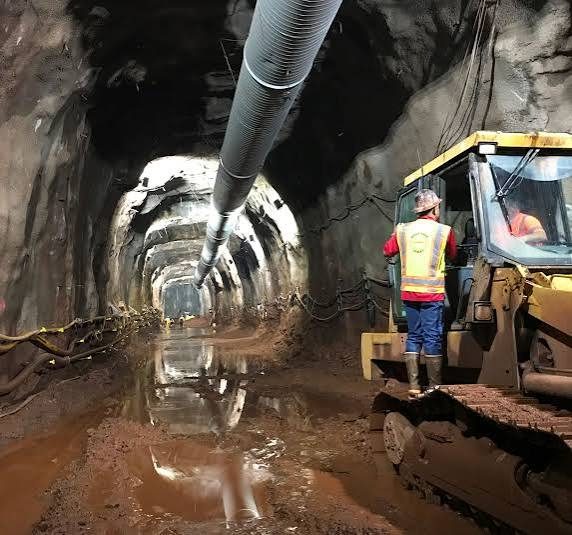
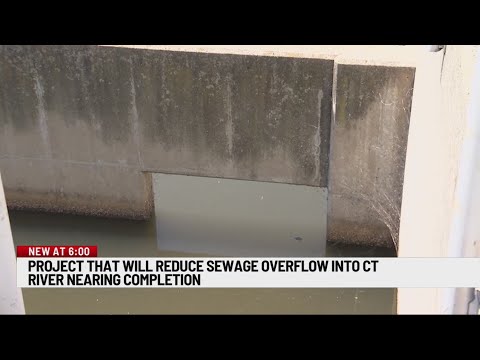
Since the mid-1990s, Hartford-area storms have pushed raw sewage into basements and down the Connecticut River. That ends next year, once MDC switches on a four-mile tunnel buried 200 feet underground that can store 41.5 million gallons of combined wastewater until the rain stops.

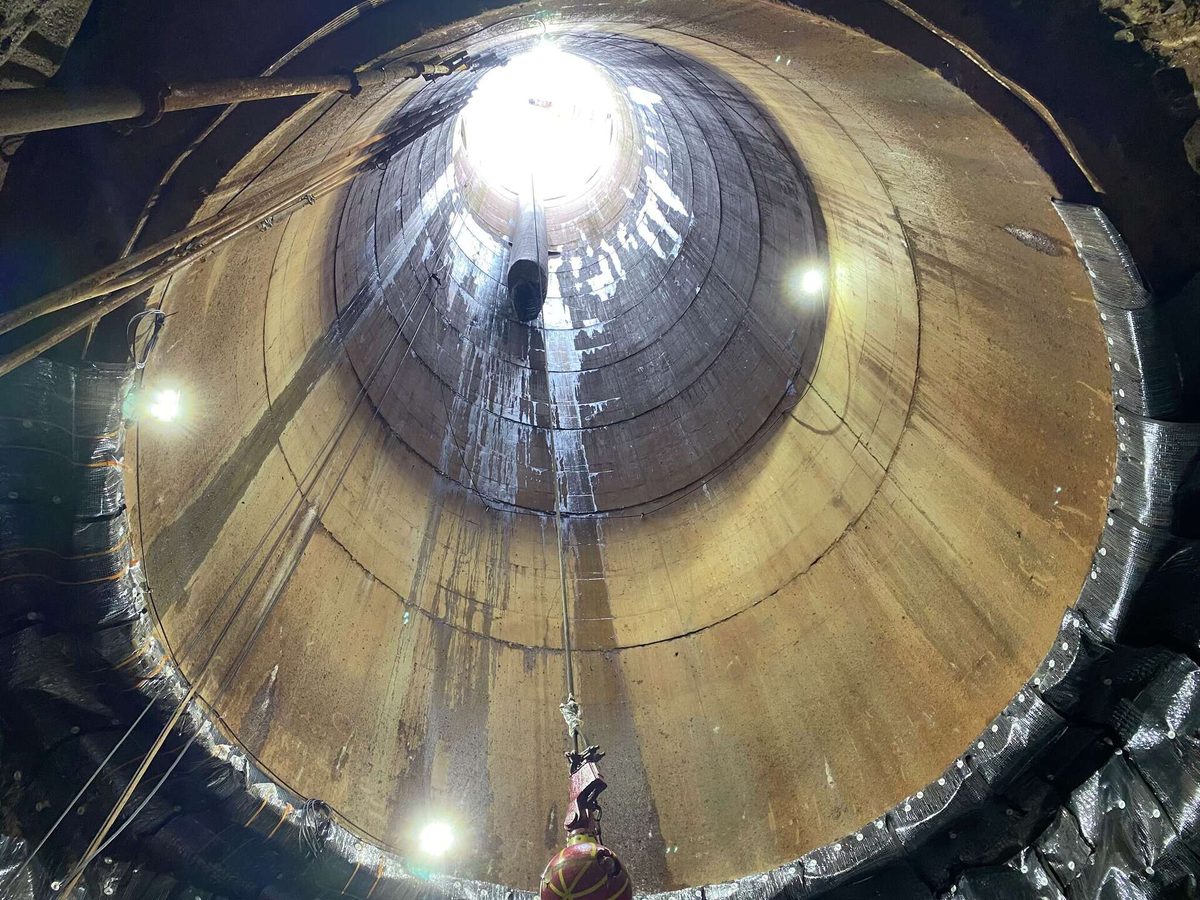
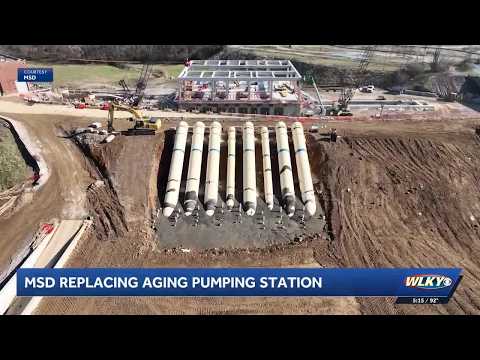
The Metropolitan District (MDC), the region's water and sewer utility, cut the ribbon on the $138 million pump station on Oct. 1 at its Brainard Road facility. The station lifts stored flow 200 feet to the Hartford Water Pollution Control Facility, the last structural hurdle before the tunnel goes live. It is funded largely through Connecticut's Clean Water Fund.

Why it matters

When the tunnel switches on in January, Hartford's heaviest storms should no longer send raw sewage toward basements or the Connecticut River toward Long Island Sound.

Questions about this story

Free account needed to ask — your question is kept and asked for you right after sign-up. Answers are public.

No questions yet — be the first to ask.

Key Indicators

$138M
Pump station cost
Final cost of the South Hartford Tunnel Pump Station, funded via Connecticut's Clean Water Fund.
41.5M gallons
Tunnel storage capacity
The four-mile, 18-foot-diameter tunnel can hold combined sewage until the rain passes.
4 miles
Tunnel length
Extends beneath Hartford and West Hartford at 200 feet below ground.
200 feet
Tunnel depth
The tunnel and pump station lift stored flows 200 feet up to the treatment plant.
2027-01-01
Expected operational date
MDC expects the tunnel to begin capturing combined sewage during the first storm after this date.

Voices

Curated perspectives — historical figures and your fellow readers.

Ever wondered what historical figures would say about today's headlines?

Sign up to generate historical perspectives on this story.

People Involved

Organizations Involved

Timeline

March 2016 January 2027

6 events Latest: 3 days ago
Tap a bar to jump to that date
  1. Tunnel expected to go live

    Upcoming Operations

    The tunnel should begin storing combined sewage during storms, ending most CSOs.

  2. MDC completes $138M pump station

    Latest Milestone

    Ribbon-cutting at Brainard Road;Sen. Blumenthal cuts the ribbon;operations planned for January.

  3. MDC says tunnel on track, delayed from 2023 target

    Status update

    Officials report the tunnel is awaiting the pump station, pushing startup to 2026.

  4. Iris completes the four-mile bore

    Construction

    The boring machine reaches a retrieval shaft on Talcott Road in West Hartford.

  5. Tunnel boring machine Iris starts digging

    Construction

    Iris begins excavating from the Hartford Water Pollution Control Facility.

  6. MDC signs contract for South Hartford tunnel

    Contract

    MDC authorizes the four-mile tunnel, initially priced at $279 million.

Scenarios

1

MDC tunnel goes live in January, CSO discharges drop

Likely Resolves by Feb 1, 2027

Discussed by: MDC officials, Connecticut DEEP

With the pump station complete, commissioning tests proceed smoothly, and the tunnel begins capturing combined sewage during the first 2027 storm. MDC reports the system handles rain events without overflows, meeting the consent decree targets.

2

Tunnel startup slips past winter amid commissioning issues

Possible Resolves by Apr 1, 2027

Discussed by: Local engineering observers, Hartford Courant

Pump testing, control-system debugging, or permit approvals take longer than planned, pushing the live date past January. MDC revises its operational target, delaying the water-quality benefits through the next storm season.

3

First big storm exposes pump or tunnel failures, basement flooding reported

Unlikely Resolves by End of 2027

Discussed by: Contingency planners at DEEP and MDC

A major rain event soon after startup strains the system beyond expectations, causing pump failures, leaks, or capacity shortfalls that send sewage into basements or reopen CSO outfalls. This would force emergency repairs and potentially consent-decree penalties.

Historical Context

2 moments from history that rhyme with this story — and how they unfolded.

1975-present

Chicago Deep Tunnel (TARP, 1975-present)

Chicago began building a web of tunnels and reservoirs to capture combined sewer overflows rather than discharging into Lake Michigan. The system has grown over five decades, with major segments still under construction.

Then

Early tunnels cut the worst Lake Michigan beach closings andreduced basement flooding.

Now

Became the model for large-scale CSO storage, inspiring cities including Milwaukee and now Hartford.

Why this matters now

Shows how multi-decadal sewer storage programs can reshape urban drainage, the model MDC is following at smaller scale.

2016-2025

London Thames Tideway Tunnel (2016-2025)

London built a 25-kilometer, 7.2-meter-diameter deep tunnel beneath the Thames to capture the millions of tonnes of untreated sewage theat overflowed into the river each year. The tunnel opened in phases through2025.

Then

Cut the vast majority of CSO discharges into central London's river.

Now

A modern reference point for urban CSO storage tunnels, showing the approach works at scale.

Why this matters now

A contemporary example of the same storage-tunnel approach MDC is deploying, featuring similar engineering constraints at much larger scale.

Sources

(10)