
Pull to refresh
Logo
Montcalm County voters renew Commission on Aging millage

Montcalm County voters renew Commission on Aging millage

Rule Changes Greenville, MI local

After rejecting an increase in August, voters approve a four-year renewal without new taxes.

Overview

Updated 2 hours ago

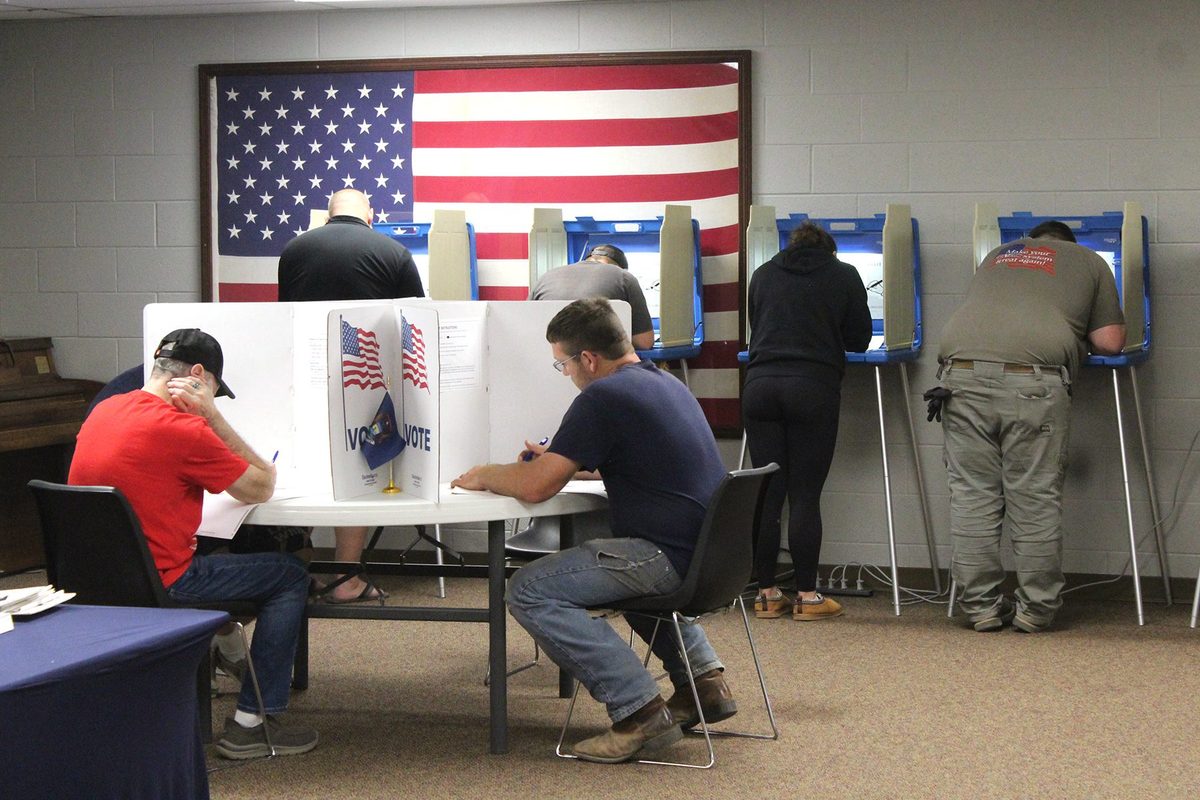
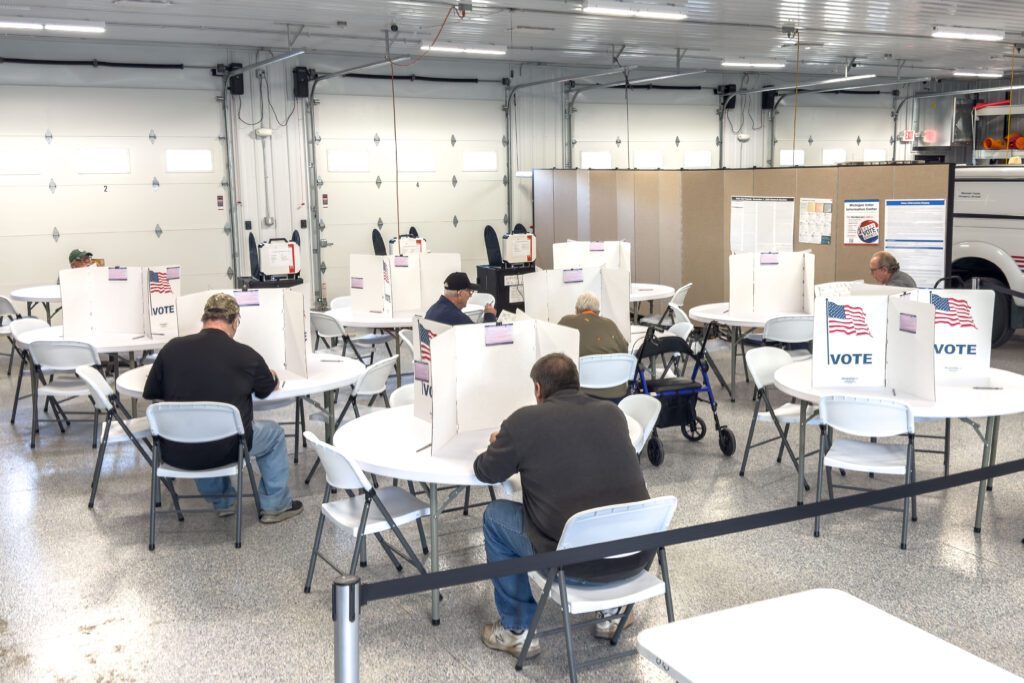
Montcalm County voters reversed an August defeat and renewed the Commission on Aging's operating millage on Nov. 3, 2026, by a nearly 2-to-1 margin. The four-year levy passed 15,892 to 8,261, or about 66% to 34%.

The renewal is estimated to generate $1.3 million in its first year for senior meals, transportation, wellness programs, caregiver support and in-home help. In August, voters had narrowly rejected a proposal that combined renewal with an increase, defeating it by 147 votes.

Why it matters

The renewal keeps about $1.3 million a year flowing to senior meals, transportation and in-home care in a rural Michigan county.

Questions about this story

Free account needed to ask — your question is kept and asked for you right after sign-up. Answers are public.

No questions yet — be the first to ask.

Key Indicators

15,892
Yes votes
Votes in favor of the four-year renewal.
8,261
No votes
Votes against the four-year renewal.
65.8%
Approval share
Share of yes votes among all votes cast on the measure.
$1.3M
First-year revenue
Estimated levy revenue in the first year.
147
August defeat margin
Votes by which the August renewal-and-increase proposal lost.

Voices

Curated perspectives — historical figures and your fellow readers.

Sign up to generate historical perspectives on this story.

People Involved

Organizations Involved

Timeline

August 2026 November 2026

2 events Latest: 2 days ago
  1. Voters approve renewal without increase

    Latest Election

    The four-year operating millage passes 15,892 to 8,261, nearly 66% to 34%.

  2. Voters reject renewal and increase

    Election

    A proposal to renew and increase the Commission on Aging millage loses by 147 votes.

Scenarios

1

Commission on Aging maintains senior services through 2030

Likely Resolves by Nov 3, 2027

Discussed by: The Daily News, citing the four-year levy term

The four-year levy gives the Commission on Aging a stable budget for senior meals, transportation, wellness, caregiver support and in-home help. With no increase attached, the agency's first-year revenue is estimated at $1.3 million. The test is whether service levels hold through the next budget cycle.

2

County returns with a millage increase before 2030

Possible Resolves by Nov 5, 2030

Discussed by: The Daily News, citing the August 2026 rejection of a renewal-and-increase

The August 2026 vote showed that a renewal paired with an increase can fail by a narrow margin. If costs rise faster than the flat levy, the commission could return to voters with a separate increase request before the four-year term ends.

3

Renewal expires and senior services face cuts in 2030

Unlikely Resolves by Nov 5, 2030

Discussed by: The Daily News, citing the four-year levy term

The levy expires after four years. If voters reject a future renewal, the commission would lose about $1.3 million a year for senior services. The next scheduled test is the renewal election at the end of the term.

Historical Context

2 moments from history that rhyme with this story — and how they unfolded.

August 2026

August 2026 millage defeat

Montcalm County voters rejected a proposal to renew and increase the Commission on Aging's operating millage by 147 votes. The measure combined the existing levy with a tax increase.

Then

The commission had to prepare a renewal-only request for November.

Now

Voters then approved the renewal without an increase by a nearly 2-to-1 margin.

Why this matters now

The two votes show the same electorate rejected a tax increase but supported the existing levy when the questions were separated.

2026-2030

Four-year levy cycle

The approved millage runs for four years and is estimated to generate $1.3 million in its first year. The commission must return to voters for renewal after the term.

Then

The November 2026 vote settles funding through the four-year term.

Now

The cycle gives voters regular chances to review the levy and the services it pays for.

Why this matters now

The renewal is not permanent; it sets a fixed window for senior-service funding.

Sources

(2)