


Pull to refresh
Logo
HHS launches vaccine injury research and reporting initiative

HHS launches vaccine injury research and reporting initiative

Rule Changes

A new NIH clinic, physician reimbursement for reporting, and electronic health record requirements target post-vaccination health problems

Yesterday: HHS announces agency-wide vaccine injury initiative

Overview

Updated 1 hour ago

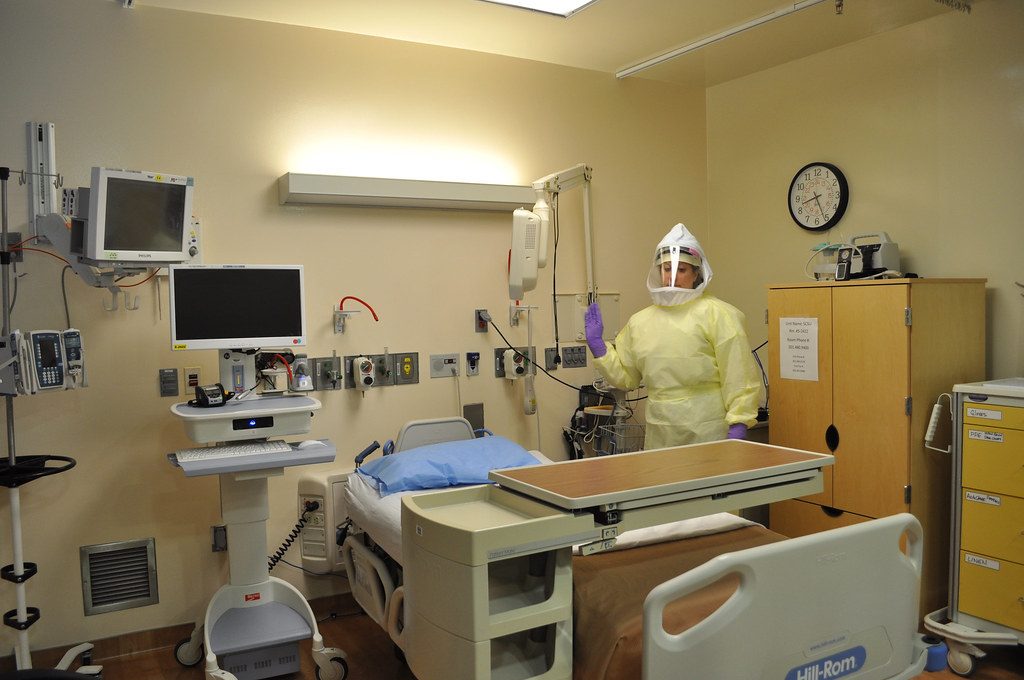
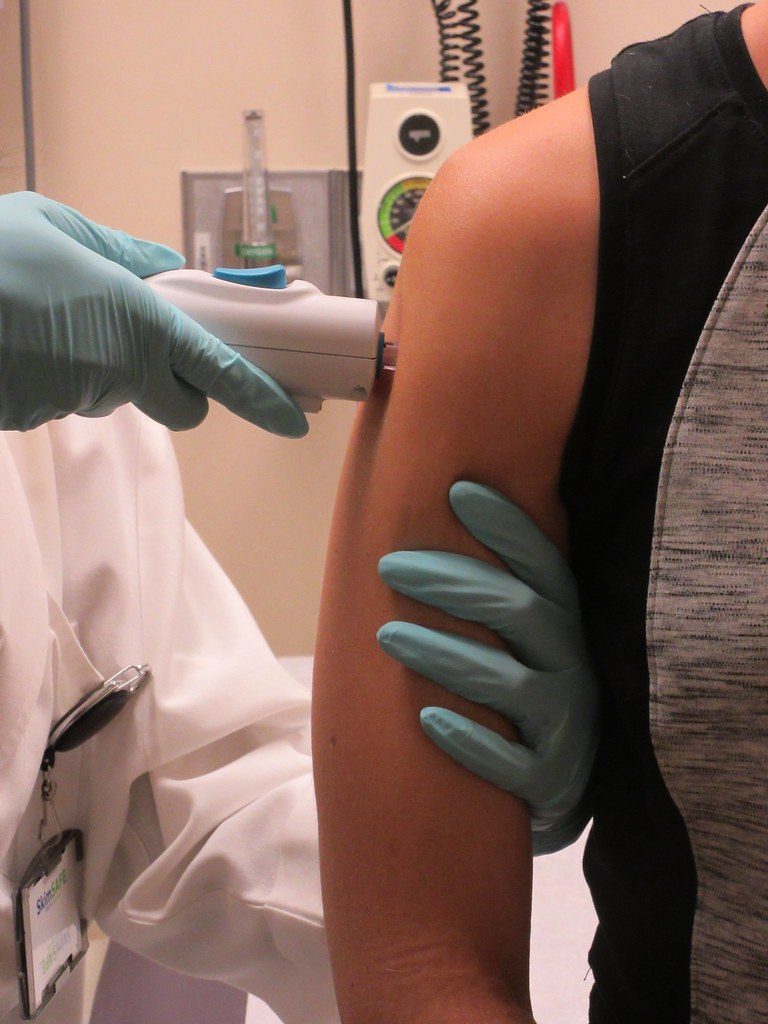
The federal government opened a dedicated clinic at the National Institutes of Health this month to study and treat people who report health problems after vaccination. It's the centerpiece of a new agency-wide push by the Department of Health and Human Services (HHS) to document, investigate, and respond to vaccine injuries.

The initiative also proposes paying physicians for reporting suspected injuries to the federal vaccine safety database, requires electronic health records to capture adverse events, and modernizes the reporting system itself. It's led by HHS Secretary Robert F. Kennedy Jr., who spent years questioning vaccine safety before taking office, and it faces criticism from public health experts who say it could undermine confidence in immunization.

Why it matters

How the federal government counts and compensates vaccine injuries will shape vaccination policy, public trust, and immunization rates nationwide.

Questions about this story

Free account needed to ask — your question is kept and asked for you right after sign-up. Answers are public.

No questions yet — be the first to ask.

Key Indicators

$5B
Vaccine Injury Compensation Program awards since 1988
Roughly 12,300 injury and death claims compensated under the federal no-fault program.
1 in 1M
Vaccine doses per compensation awarded
Across 5.65 billion doses distributed from 2006 to 2024, the program compensated about one person per million doses.
2,000+
Vaccine injury claims filed in 2021
Claims have climbed sharply from 386 filed a decade earlier; adjudication now takes two to three years.
5.65B
Covered vaccine doses distributed 2006–2024
During that period, vaccines prevented an estimated 508 million illnesses and more than one million deaths.

Voices

Curated perspectives — historical figures and your fellow readers.

Ever wondered what historical figures would say about today's headlines?

Sign up to generate historical perspectives on this story.

People Involved

Organizations Involved

Timeline

1986 October 2026

7 events Latest: Yesterday
Tap a bar to jump to that date
  1. HHS announces agency-wide vaccine injury initiative

    Latest Announcement

    HHS rolls out the full four-part plan: the NIH clinic, CMS physician reimbursement proposal, EHR adverse event capture requirement, and VAERS modernization.

  2. NIH opens vaccine injury clinic

    Launch

    NIH dedicates a clinic on its Bethesda campus to studying and caring for patients reporting post-vaccination health problems. HHS leaders mark the opening with a ribbon-cutting.

  3. CDC awards VAERS modernization contract

    Policy

    CDC announces a new contract to make VAERS accessible on mobile devices and improve researcher tools.

  4. CDC seeks bids for VAERS overhaul

    Policy

    CDC solicits contractor bids to modernize the federal vaccine adverse event reporting system.

  5. Vaccine injury claims spike past 2,000

    Data

    Annual claims exceed 2,000 for the first time, up from 386 a decade earlier; adjudication times stretch to two to three years. Noise following COVID shots drives much of the increase.

  6. Congress creates Vaccine Injury Compensation Program

    Policy

    The National Childhood Vaccine Injury Act establishes a no-fault system to compensate rare vaccine injuries while shielding manufacturers from lawsuits.

Scenarios

1

Initiative identifies new safety signals and expands

Possible Resolves by End of 2027

Discussed by: HHS officials framing the program as evidence-driven patient care; supporters of Kennedy's vaccine safety push

The NIH clinic accumulates patients and publishes findings, reimbursed physician reporting floods VAERS with data, and researchers verify new adverse event patterns. Congress or HHS adds new injuries to the federal Vaccine Injury Table, expanding compensation eligibility and creating a larger permanent program.

2

Courts rein in key pieces of the initiative

Possible Resolves by End of 2027

Discussed by: Public health experts and legal observers noting the existing March 2026 injunction on ACIP changes

Legal challenges target the CMS reimbursement rule, the EHR capture requirement, or the NIH clinic's scope, building on the injunction that already halted Kennedy's vaccine advisory committee restructuring. A court blocks one or more components, narrowing the initiative's reach while other pieces continue.

3

Initiative narrows as evidence shows injuries stay rare

Possible Resolves by End of 2028

Discussed by: Vaccine researchers and health policy analysts pointing to VICP's track record of about one compensation per million doses

The NIH clinic sees few patients, VAERS reports remain largely unverified anecdotal data, and no new safety signals emerge despite expanded reporting. The CMS reimbursement rule is not finalized, the initiative loses political momentum, and the program contracts to a modest research operation.

Historical Context

3 moments from history that rhyme with this story — and how they unfolded.

April–May 1955

Cutter Incident (1955)

A batch of polio vaccine made by Cutter Laboratories was released containing live poliovirus. About 40,000 children who received vaccine from affected lots developed polio, 164 were paralyzed, and 10 died.

Then

The federal government halted all polio vaccination within weeks and created a national vaccine safety oversight system.

Now

The incident established the framework for federal vaccine licensure and safety monitoring that still operates in modified form today.

Why this matters now

It was the first major U.S. vaccine safety crisis, and the federal safety apparatus it created is what the new HHS initiative is now reshaping.

October–December 1976

Swine flu vaccination and Guillain-Barré (1976)

The federal government vaccinated tens of millions of Americans against a feared swine flu pandemic that never came. Hundreds of vaccinated people developed Guillain-Barré syndrome, a neurological condition, and dozens died.

Then

The campaign was halted in December 1976, and the government faced billions of dollars in liability claims.

Now

The liability crisis helped drive creation of the Vaccine Injury Compensation Program a decade later.

Why this matters now

It showed how a vaccine safety scare can reshape federal vaccine policy and create lasting liability questions, the same dynamic animating today's push.

October 1986

Vaccine Injury Compensation Program established (1986)

Congress created a no-fault system to compensate rare vaccine injuries while shielding manufacturers from lawsuits, resolving a liability crisis that threatened the vaccine supply. Since 1988 it has awarded about $5 billion across roughly 12,300 claims.

Then

The program stabilized the vaccine market and kept childhood immunizations available and affordable.

Now

Today it faces a caseload crunch with more than 2,000 annual claims and two-to-three-year adjudication times, plus a $250,000 compensation cap.

Why this matters now

The new HHS initiative overlaps with and could reshape this existing compensation system, which already determines how vaccine injuries are recognized and paid.

Sources

(8)