

Pull to refresh
Logo
One-tonne hoard of Iron Age iron bars hints at vast ancient trade

One-tonne hoard of Iron Age iron bars hints at vast ancient trade

New Capabilities

Shipwrecked cargo of 500 bipyramidal bars is the largest prehistoric iron find in Europe

Today: Nature reports Europe's largest Iron Age iron cache

Overview

Updated 1 hour ago

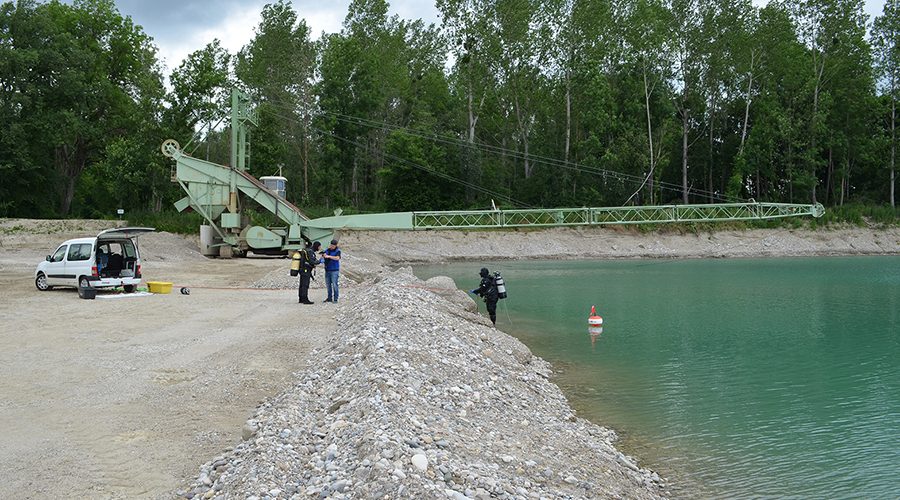
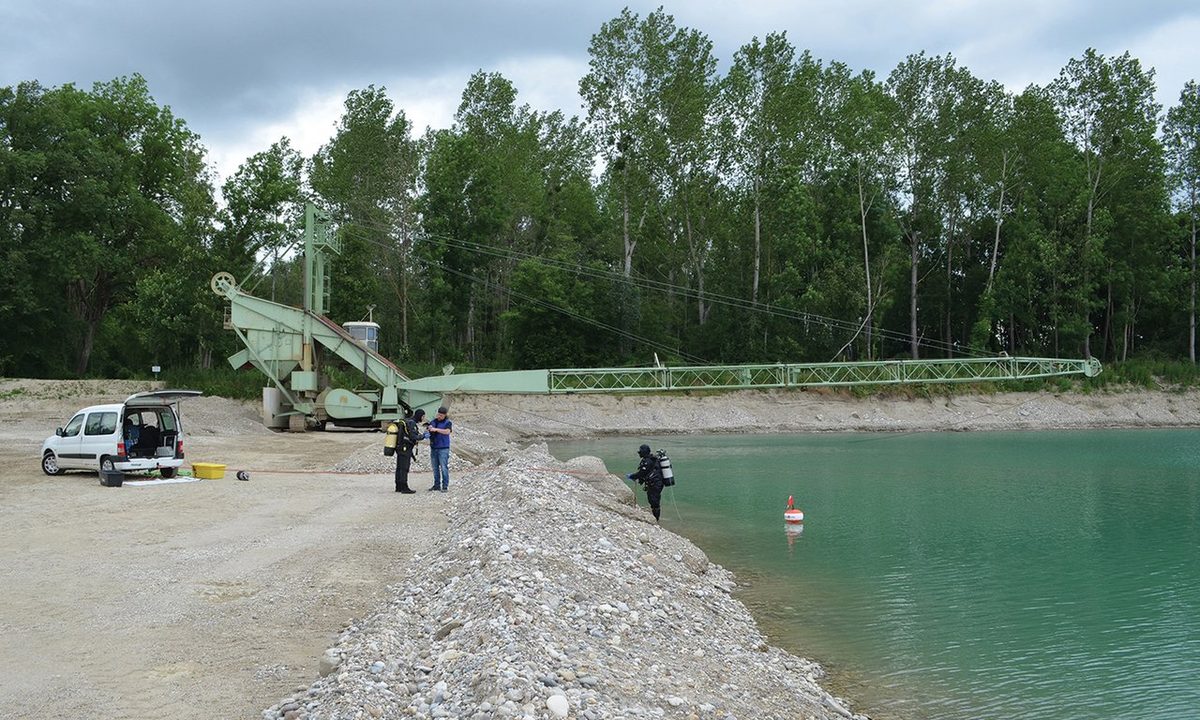
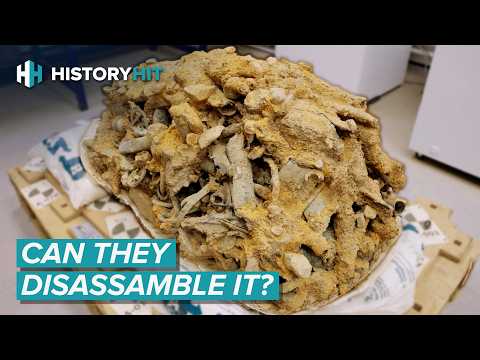
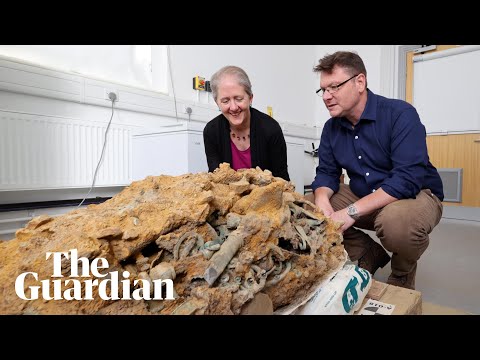
In spring 2019, gravel workers pulling material from the Danube near Deinham in Upper Austria noticed double-pointed iron bars coming up with the excavator. They reported the find to Austria's Federal Monuments Office. The office recovered at least 500 bars weighing roughly a tonne, the largest prehistoric iron cache ever found in Europe.

Radiocarbon dating places the bars in the Late Iron Age La Tène period, roughly the fourth to first century BC. The study's authors believe a ship carrying these iron semi-products sank in a branch of the Danube. The cargo's scale, enough for about 500 swords or 8,000 nails, suggests tonne-level trade that earlier evidence never showed.

Why it matters

The find rewrites estimates of Iron Age iron trade, showing tonne-scale shipments moved along Europe's rivers two millennia ago.

Questions about this story

Free account needed to ask — your question is kept and asked for you right after sign-up. Answers are public.

No questions yet — be the first to ask.

Key Indicators

~500
Iron bars recovered
Bipyramidal semi-products pulled from the Danube at Deinham in 2019.
~1 t
Estimated total weight
About 1,035 kg of iron, the largest prehistoric cache in Europe.
~500
Swords the iron could forge
At an average of 1.5–2 kg per sword, roughly 500 blades.
~8,000
Iron nails the iron could produce
At 125 g per nail, enough to fasten half of Manching's 7 km defensive wall.

Voices

Curated perspectives — historical figures and your fellow readers.

Ever wondered what historical figures would say about today's headlines?

Sign up to generate historical perspectives on this story.

People Involved

Organizations Involved

Timeline

March 2019 September 2026

3 events Latest: Today
  1. Nature reports Europe's largest Iron Age iron cache

    Today Publication

    Nature reports the Deinham hoard as the largest cache of Iron Age iron ever found in Europe, enough to make roughly 500 swords.

  2. Study published in Antiquity identifies shipwrecked cargo

    Publication

    Analysis radiocarbon-dates the 500 bars to the fourth-first century BC and identifies them as commercial cargo lost in a Danube shipwreck, not a ritual deposit.

  3. Gravel workers discover iron bars in the Danube

    Discovery

    Spring 2019: workers pulling gravel from the Danube at Deinham, Upper Austria, notice double-pointed iron bars and report them to the Federal Monuments Office.

Scenarios

1

Provenance of the Deinham iron identified

Likely Resolves by End of 2028

Discussed by: The Antiquity study's authors, who note 'work to establish the provenance of the iron is underway'

Researchers are tracing the bars to the forge where iron blooms were worked into semi-products. Because transport could only move downstream, the production region must lie upstream on the Danube or one of its tributaries. The study already rules out the iron-mining districts of Burgenland in eastern Austria, which sit downstream of Deinham.

2

New riverine iron hoards surface in Europe

Possible Resolves by End of 2030

Discussed by: The Antiquity study, which notes river iron finds are often dismissed as 'rusty concretions' and sent to scrap dealers

The study argues that iron objects from riverine environments usually attract little attention because corrosion makes them unrecognizable. With awareness now raised by the Deinham find, museums and gravel operators may re-examine existing concretions or report new ones, potentially yielding further hoards. The authors note that many Iron Age river finds across Central Europe remain unstudied.

3

Iron Age trade estimates revised in scholarship

Likely Resolves by End of 2028

Discussed by: The Nature report, which says the find 'hints at vast Iron Age trade'

The Deinham find provides the first hard evidence of tonne-scale iron shipments in La Tène period Central Europe. If subsequent scholarship incorporates it into production and trade syntheses, estimates of Iron Age iron output could rise substantially. The study also links the iron's possible value to large gold coin hoards like Manching's, which may represent equivalent purchasing power.

Historical Context

3 moments from history that rhyme with this story — and how they unfolded.

1857–1900s

La Tène and Port ritual river deposits, Switzerland (1857 onwards)

The type site of La Tène in Switzerland, discovered in 1857, and nearby Port yielded large river assemblages of varied iron objects: weapons, tools, and fittings. Archaeologists long interpreted these as votive or ritual deposits placed in the water deliberately.

Then

The varied composition of these finds shaped the default interpretation of Iron Age river finds as ritual in nature.

Now

The ritual-deposit framework still dominates how archaeologists read riverine iron assemblages in Central Europe.

Why this matters now

The Deinham bars contrast sharply with these ritual deposits: they are homogeneous semi-products, almost certainly commercial cargo lost in a shipwreck rather than an offering.

September 1999

Manching oppidum gold coin hoard (1999)

Excavations at the Bavarian oppidum of Manching, a fortified Late Iron Age settlement, uncovered a hoard of 443 Celtic gold coins weighing 3.7 kg. The coins were buried in the second century BC, around the time the Deinham iron sank. The hoard, found near large iron-mining areas, became a key reference for Late Iron Age monetization.

Then

The hoard became the largest Celtic gold find in Germany and a benchmark for studying Iron Age currency.

Now

Scholars still debate whether such hoards represent stored wealth or payment for large trade transactions.

Why this matters now

The Antiquity study suggests the Manching hoard may have been equivalent in value to one tonne of iron, linking monetization to commodity trade in the La Tène period.

800–400 BC

Early Iron Age bipyramidal bars, west of the Rhine (8th–5th century BC)

Archaeologists had found bipyramidal iron bars west of the Rhine dated to the Early Iron Age, thicker and shorter than the Deinham examples. These were understood as early semi-products shaped for transport and later reworking.

Then

They established the bipyramidal bar as a standard Iron Age trade form in western Central Europe.

Now

Scholars treated this western bar type as the chronological and regional baseline for iron semi-products.

Why this matters now

The Deinham bars are a new, later variant (type BLD no. 6, fourth-first century BC), extending the known range of iron semi-product trade across time and into the Danube basin.

Sources

(6)