
Pull to refresh
Logo
Study finds human brain grows from two separate cell lineages

Study finds human brain grows from two separate cell lineages

New Capabilities

Stanford team grows human hindbrain neurons in a dish for the first time, opening routes to study ALS and spinal muscular atrophy

Today: Stanford-led study published in Nature Neuroscience

Overview

Updated 1 hour ago

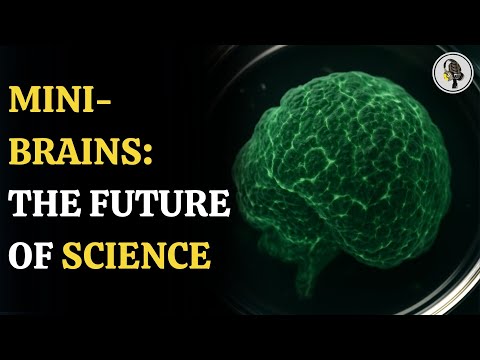
Scientists grew functional human hindbrain neurons in a lab dish for the first time, using a map of how the brain assembles itself that upends decades of teaching. The recipe worked only after researchers realized the brain is built from two separate groups of progenitor cells, not one.

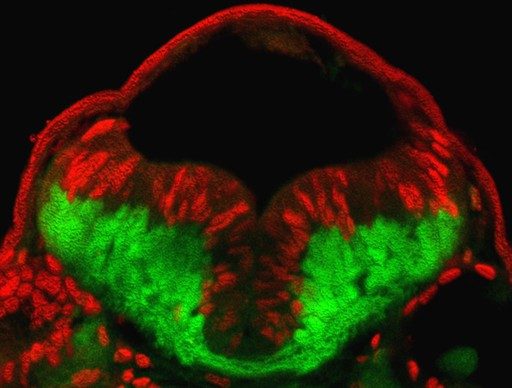
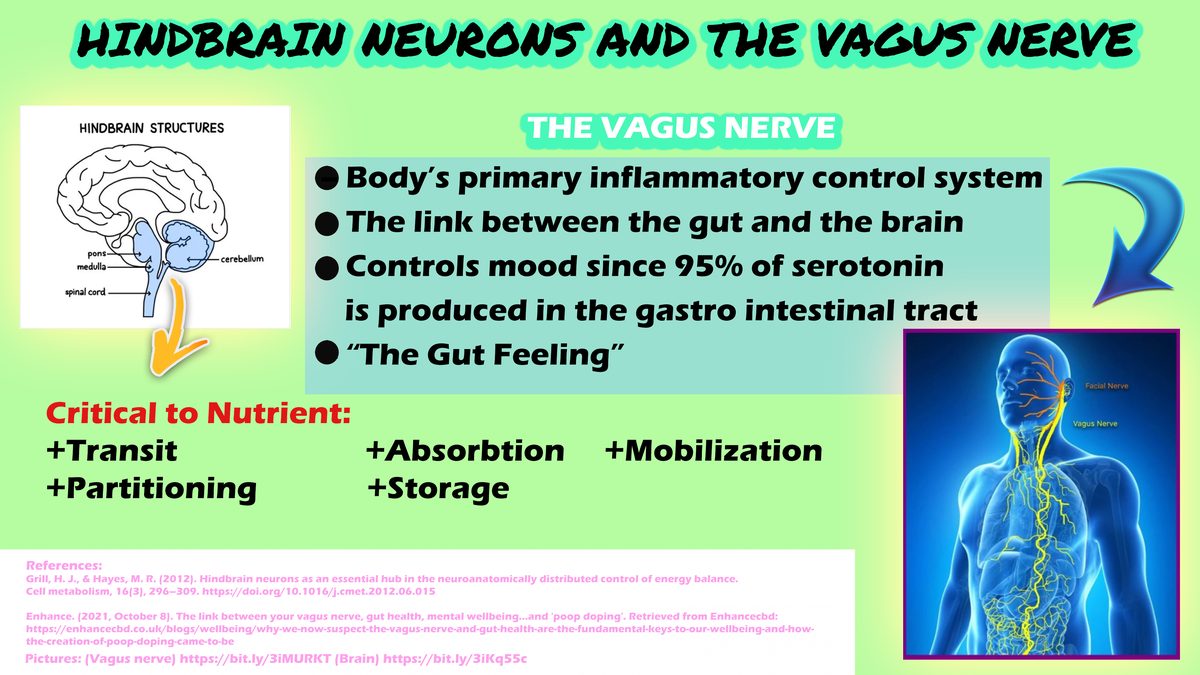
A Stanford Medicine–led team, reporting Sept. 18 in Nature Neuroscience, found that a cell population expressing a gene called Otx2 becomes the forebrain and midbrain. A separate population expressing Gbx2 forms the hindbrain, which controls breathing, heartbeat, swallowing, and sleep. The two never overlap during development.

The lab-grown neurons open new ways to study ALS, spinal muscular atrophy, and appetite circuits that drugs like semaglutide act on — diseases and pathways that were nearly impossible to model because scientists couldn't obtain living hindbrain tissue. The two-origin architecture also appears in chickens, zebrafish, and acorn worms, dating it back roughly 550–600 million years.

Why it matters

Scientists can now grow human hindbrain neurons in a dish, opening routes to study ALS, spinal muscular atrophy, and the appetite circuits behind weight-loss drugs.

Questions about this story

Free account needed to ask — your question is kept and asked for you right after sign-up. Answers are public.

No questions yet — be the first to ask.

Key Indicators

2
Separate progenitor cell populations
One forms the forebrain and midbrain; a distinct population forms the hindbrain.
550–600 million
Years ago the dual-origin brain system appeared
The same two-origin pattern appears in chickens, zebrafish, and acorn worms.
3
Main brain regions in adults
Forebrain handles higher thought; hindbrain (brain stem) controls automatic functions.

Voices

Curated perspectives — historical figures and your fellow readers.

Ever wondered what historical figures would say about today's headlines?

Sign up to generate historical perspectives on this story.

People Involved

Organizations Involved

Timeline

1 event Latest: Today
  1. Stanford-led study published in Nature Neuroscience

    Today Publication

    Team reports the brain develops from two separate progenitor cell populations, enabling growth of human hindbrain neurons in a dish.

Scenarios

1

Lab-grown hindbrain neurons accelerate ALS and SMA drug screening

Likely Resolves by Sep 18, 2027

Discussed by: Kyle Loh and co-authors; coverage in New Scientist and ScienceAlert

Researchers use the new technique to grow human hindbrain motor neurons and screen candidate treatments for ALS and spinal muscular atrophy, diseases that destroy the neurons controlling swallowing and speech. The same neurons could clarify exactly how GLP-1 drugs like semaglutide suppress appetite through hindbrain circuits.

2

Independent labs confirm the two-lineage brain model

Likely Resolves by Mar 18, 2028

Discussed by: Developmental biology community

Other research groups replicate the finding in their own embryo studies, confirming that hindbrain and forebrain arise from distinct progenitor populations. Independent replication would cement the model in textbooks and teaching materials that currently describe a single developmental origin.

3

Two-origin model extended to the spinal cord

Possible Resolves by Sep 18, 2028

Discussed by: Kyle Loh's lab

The Stanford team has said it wants to determine the developmental origin of the spinal cord. If the spinal cord follows one of the two established lineages, it would show how far the dual architecture extends through the central nervous system and could reshape models of spinal cord injury and repair.

Historical Context

3 moments from history that rhyme with this story — and how they unfolded.

1868

Neural crest discovery (1868)

Embryologist Wilhelm His identified neural crest cells, a separate embryonic population that migrates to form much of the peripheral nervous system, the face, and parts of the heart. It showed the nervous system does not come from a single source.

Then

Opened a new field of study on a distinct cell lineage that behaves differently from the main neural tube.

Now

Became a pillar of developmental biology and linked defects in one lineage to specific birth conditions.

Why this matters now

Like the Stanford finding, it overturned single-origin dogma about how the nervous system forms and pointed to distinct lineages with distinct fates.

1960s

Split-brain studies, Roger Sperry (1960s)

Sperry's work on patients whose corpus callosum had been severed showed each brain hemisphere could function semi-independently, processing information and even forming intentions separately.

Then

Rewrote understanding of lateralization; the hemispheres visibly handled different tasks.

Now

Earned Sperry a Nobel Prize (1981) and entrenched the view of the brain as a composite of semi-independent parts.

Why this matters now

Provides a precedent for treating the brain as built from collaborating subsystems rather than a single unified organ.

1960s–1990s

Adult neurogenesis debates (1960s–1990s)

For decades the field held that no new neurons form in the adult brain. Joseph Altman's 1960s work suggested otherwise and was largely dismissed; Fred Gage's 1990s studies confirmed it in humans.

Then

A storm of replication disputes before the evidence settled.

Now

Transformed research on memory, depression, and brain repair, and showed how stubbornly developmental dogmas resist revision.

Why this matters now

Demonstrates the pattern of a foundational brain-science dogma persisting for decades before being overturned by better evidence.

Sources

(6)