

August 2013
First human cerebral organoids (2013)
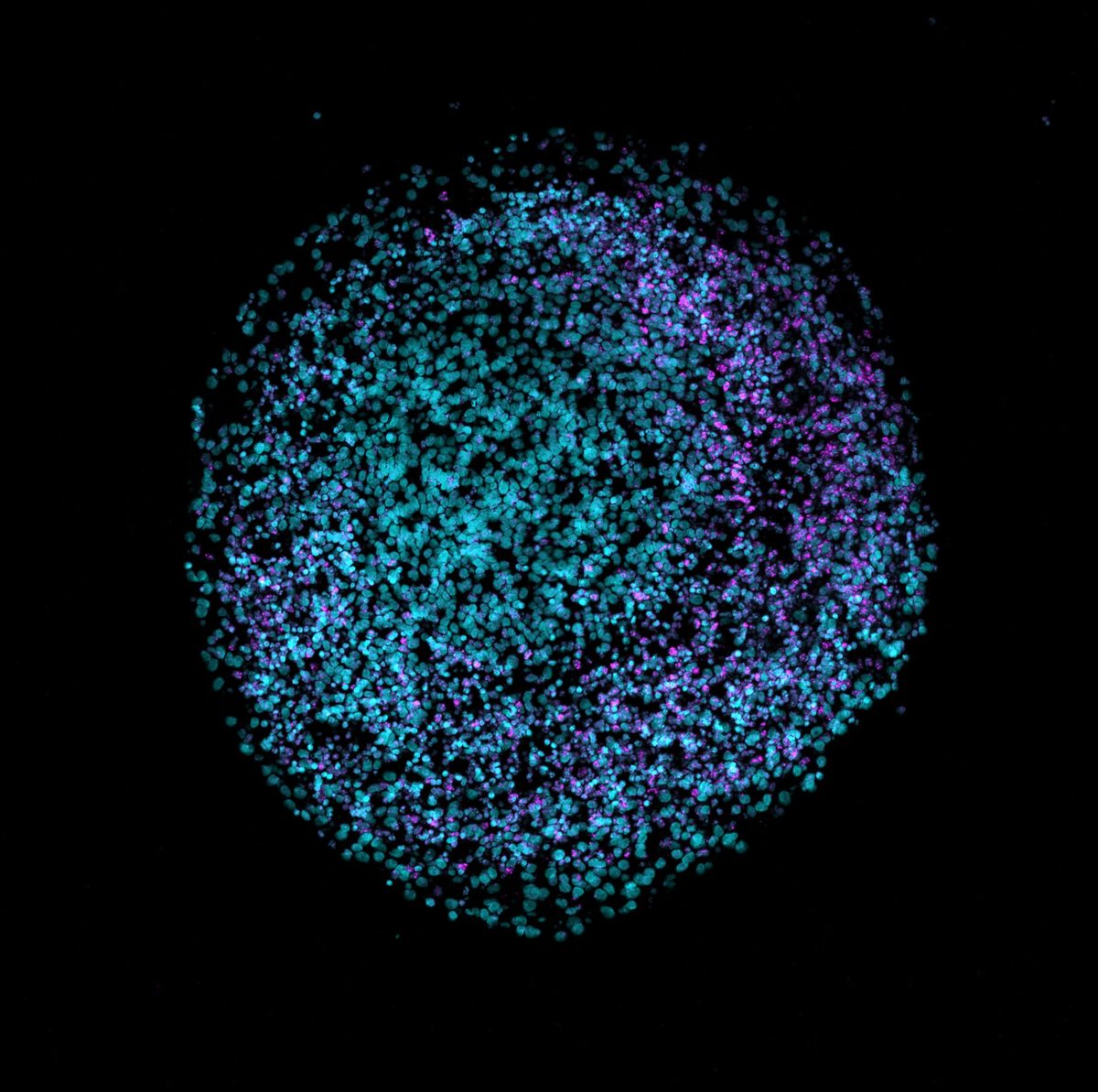
Madeline Lancaster and Jürgen Knoblich at the Institute of Molecular Biotechnology in Vienna grew "mini-brains" — pea-sized clumps of human neurons — from stem cells. The organoids spontaneously organized into structures resembling early brain regions.
Then
The work opened a new field for studying human neurodevelopment in a dish and prompted immediate speculation about whether the clusters could ever develop consciousness.
Now
Organoid research expanded into disease modeling and drug testing. The consciousness question has followed it ever since.
Why this matters now
The xenocortical mouse work is the next step: organoids moved out of the dish and into a living animal, carrying the same consciousness questions with them.