


Pull to refresh
Logo
Moldova's Vulcanesti-Chisinau power line passes first full tests

Moldova's Vulcanesti-Chisinau power line passes first full tests

Built World

157-km, 400 kV line linking southern Moldova to the capital nears commercial operation

Today: First full tests pass; works declared complete

Overview

Updated 1 hour ago

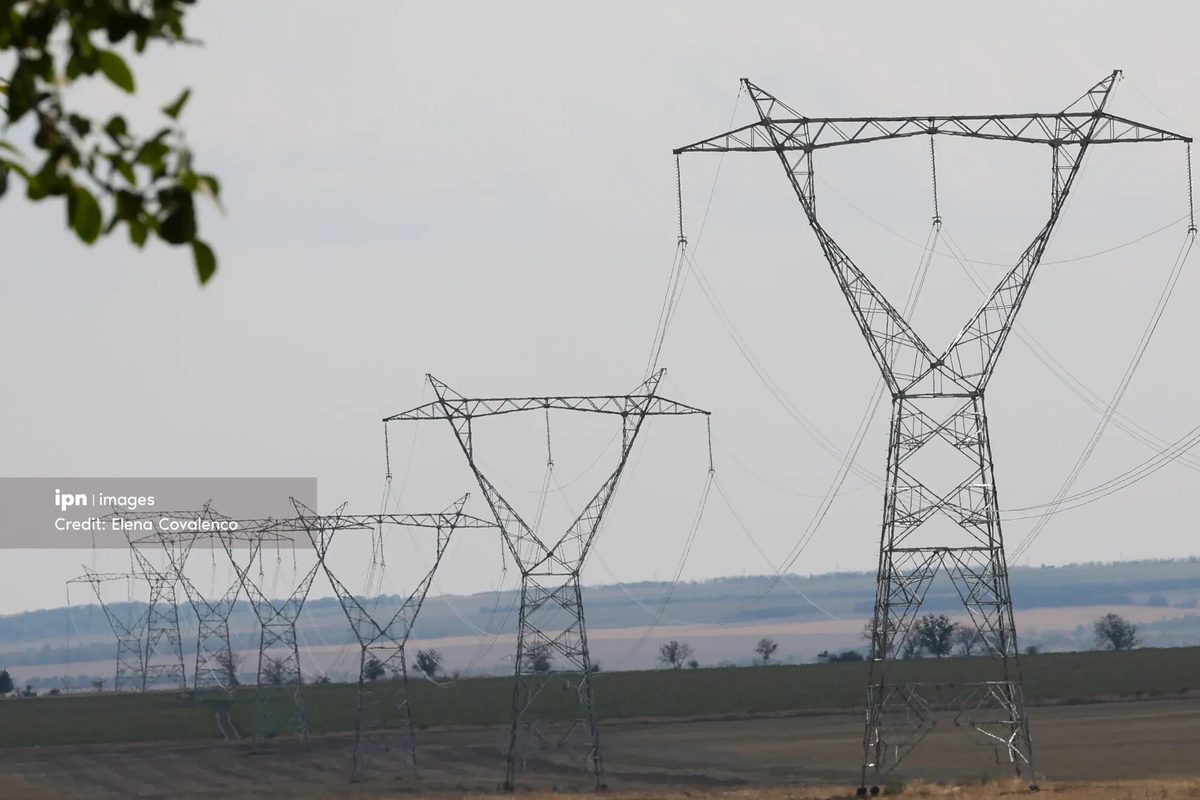
Moldova's Energy Minister announced on September 20 that the first full tests on the country's 157-kilometer Vulcanesti-Chisinau power line were successful. The 400-kilovolt line was energized and running at standard parameters, clearing a key hurdle before commercial operation.

The "Energy Independence Line" can carry up to 630 megavolt-amperes, more than half of Moldova's peak-period electricity demand. It is the first major route to import power from Romania and the EU without transiting the Kuchurgan thermal plant in the breakaway Transnistrian region, which has supplied most of Moldova's electricity for decades.

Why it matters

The line lets Moldova import electricity from Romania and the EU without the Transnistrian power plant, cutting one of Russia's main levers over the country.

Questions about this story

Free account needed to ask — your question is kept and asked for you right after sign-up. Answers are public.

No questions yet — be the first to ask.

Key Indicators

157 km
Line length
Overhead power line connecting the Vulcanesti and Chisinau substations.
630 MVA
Transmission capacity
Enough to carry over half of Moldova's peak-period electricity consumption.
€61M
Project value
Total cost of the World Bank-financed Power System Development Project.
50%
Share of peak consumption
Share of Moldova's peak-period electricity demand the line can transport.

Voices

Curated perspectives — historical figures and your fellow readers.

Ever wondered what historical figures would say about today's headlines?

Sign up to generate historical perspectives on this story.

People Involved

Organizations Involved

Timeline

April 2024 September 2026

4 events Latest: Today
Tap a bar to jump to that date
  1. First full tests pass; works declared complete

    Today Testing

    Works completed and first full tests successful; line energized and running at standard parameters.

  2. Entire line energized up to Chisinau substation

    Infrastructure

    Full 157-km route energized to the capital's substation, moving the line toward commissioning.

  3. First 100 km of line energized and tested

    Testing

    First technical tests energize the initial segment under operating voltage; results declared successful.

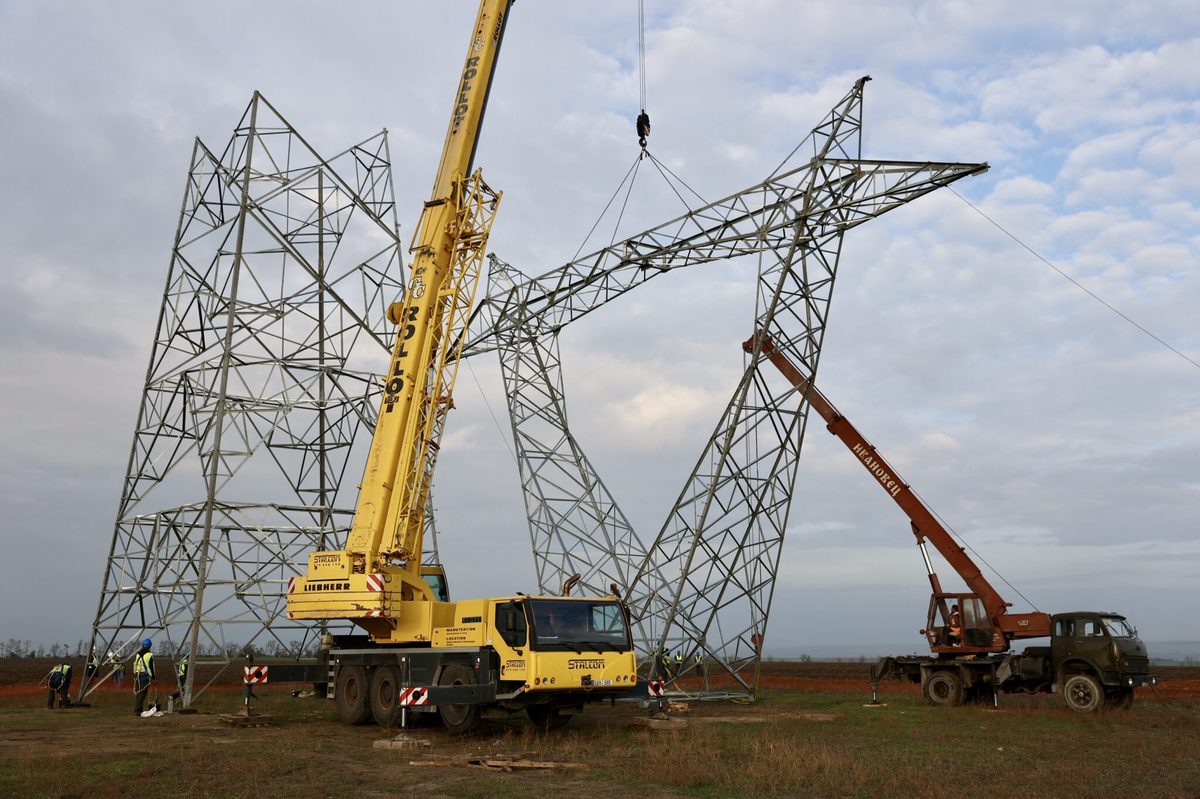
  4. Construction begins on Vulcanesti-Chisinau line

    Infrastructure

    Work starts on the 157-km line under the World Bank-financed Power System Development Project.

Scenarios

1

Moldova's energy independence line enters commercial operation by year's end

Likely Resolves by End of 2026

Discussed by: Ministry of Energy statements; World Bank project documents

All construction is complete and tests are passing. Remaining steps are substation configuration, protection-system checks, and coordination with Romanian and Ukrainian transmission operators. If those clear, the line begins carrying commercial power flows before December 31.

2

Substation configuration delays push commissioning into 2027

Possible Resolves by Q1 2027

Discussed by: Testing schedules cited by the Ministry of Energy

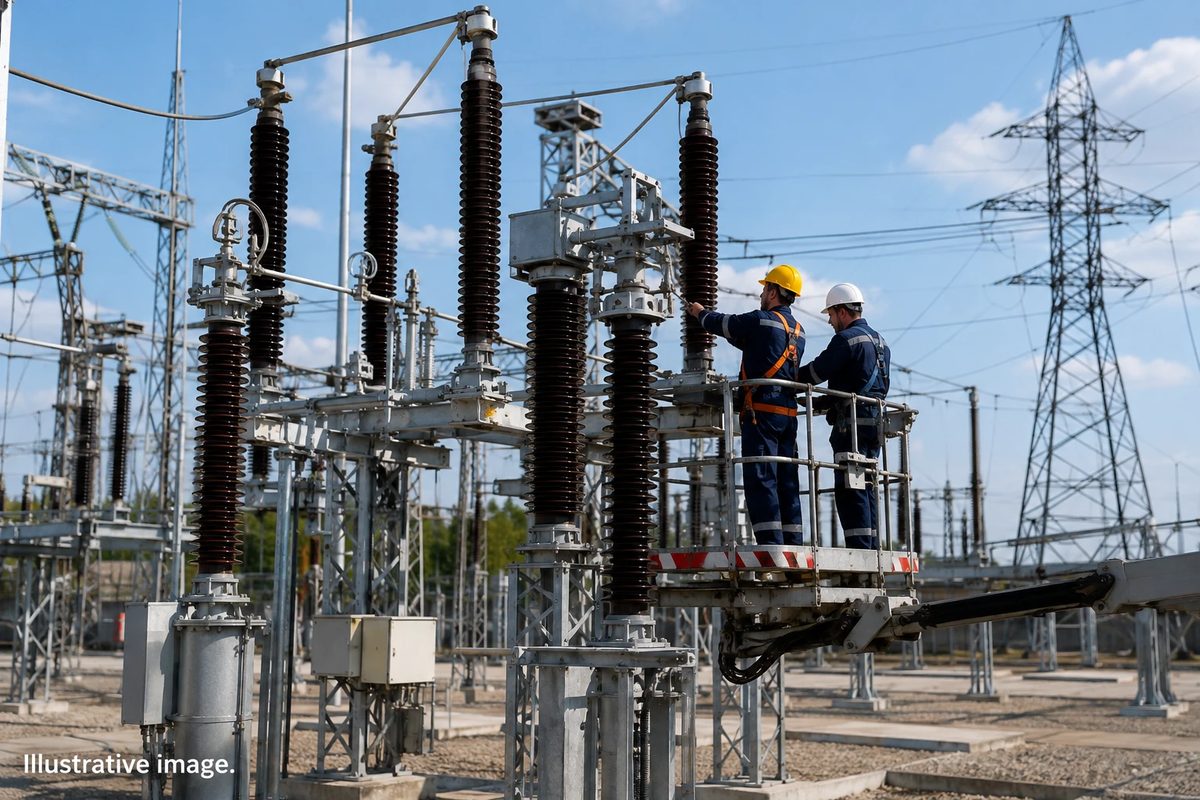
The substation's protection and automation systems are still being configured, with five teams on site. Cross-border testing requires synchronizing procedures with transmission operators in neighboring countries. Any mismatch in those checks could push commercial operation past year-end.

3

Line opens but Moldova's import mix barely shifts

Uncertain Resolves by End of 2027

Discussed by: Market analysts tracking Moldovan electricity pricing

Commissioning alone doesn't change Moldova's electricity mix. If power from the Transnistrian plant stays cheaper or contracts are already locked in, imports from Romania and the EU could remain modest despite the new capacity. Infrastructure capacity and actual market flows are separate questions.

Historical Context

3 moments from history that rhyme with this story — and how they unfolded.

2018-2025

Baltic states decouple from Russian grid (2022-2025)

Estonia, Latvia, and Lithuania spent years upgrading infrastructure to disconnect from the Russian and Belarusian grid. In February 2025 they synchronized with continental Europe's network after a final test on the Baltic-Finnish link.

Then

The three countries cut a century-old electricity tie to Russia, ending Moscow's ability to threaten their grids.

Now

The decoupling became a model for Eastern European states seeking to reduce Russian energy leverage.

Why this matters now

Moldova is pursuing the same goal through a single line, but with a much smaller grid and closer physical ties to Ukraine's system.

February-March 2022

Ukraine synchronizes with ENTSO-E (2022)

Days after Russia's invasion, Ukraine disconnected its grid from the joint Russian-Belarusian BRELL loop and, within weeks, synchronized with continental Europe's network. Moldova's grid is interconnected with Ukraine's, so the two countries' energy security is linked.

Then

Ukraine gained emergency access to European power support during the war.

Now

The synchronizations pulled Ukraine and Moldova closer to European grid standards and market rules.

Why this matters now

Moldova already operates closer to the European system than the new line implies; the Vulcanesti-Chisinau link completes the physical path for direct imports.

October 2022 onwards

Moldova's gas and electricity crisis (2022-2023)

Gazprom cut gas deliveries to Moldova after the war began, spiking electricity prices and forcing a state of emergency. Moldova relied heavily on power generated at the Kuchurgan plant in Transnistria, fed by Russian gas.

Then

Moldova scrambled to secure alternative supplies and declared emergency measures.

Now

The crisis hardened Moldova's push to diversify energy routes and reduce dependence on Transnistrian supply.

Why this matters now

The Vulcanesti-Chisinau line is the direct infrastructure response to that crisis, offering a route that bypasses the Kuchurgan plant entirely.

Sources

(8)