
Pull to refresh
Logo
Daily Brief
Following
Why Sign Up
Indonesia passes domestic workers protection law after 22 years

Indonesia passes domestic workers protection law after 22 years

Rule Changes
By Newzino Staff |

Millions of household workers gain legal employee status, rest days, and social security

Today: Government begins drafting implementing rules

Overview

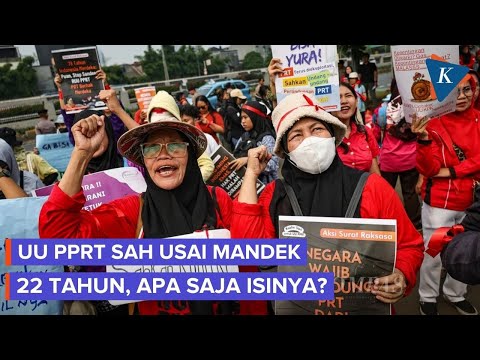
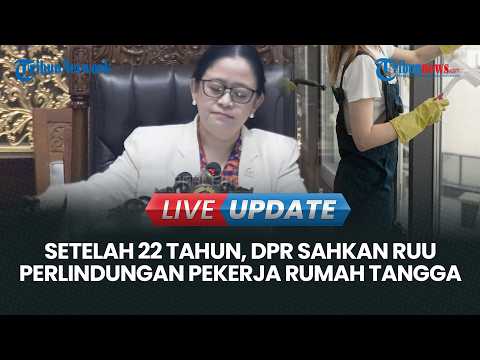
For 22 years, Indonesia's roughly 4.2 million domestic workers—nearly 90% of them women—have cleaned, cooked, and raised other people's children with no legal status as employees. On April 21, 2026, the country's Kartini Day holiday honoring women's rights, the House of Representatives passed the Domestic Workers Protection Law (UU PPRT), a bill first introduced in 2004 that had stalled across five parliamentary terms.

Why it matters

4.2 million workers—most of them women—just moved from invisible informal labor into a legal framework that recognizes them as employees with rights.

Key Indicators

22 years
From introduction to passage
The PPRT bill was first submitted to parliament in 2004 and lapsed across five legislative terms before passage.
4.2M
Domestic workers covered
Ministry of Manpower estimate of household workers now granted legal employee status.
~90%
Share who are women
The sector is overwhelmingly female, making the law a major women's rights milestone.
18
New minimum working age
Aims to end the practice of employing children as young as 11 or 12 in private homes.
12 months
To draft implementing rules
Government deadline to issue the regulations that make the law operational.

Interactive

Exploring all sides of a story is often best achieved with Play.

Ever wondered what historical figures would say about today's headlines?

Sign up to generate historical perspectives on this story.

Sign Up

Debate Arena

Two rounds, two personas, one winner. You set the crossfire.

People Involved

Organizations Involved

Timeline

  1. Government begins drafting implementing rules

    Regulatory

    Ministry of Law and Ministry of Manpower open one-year process to define enforcement, inspection, and registration mechanics.

  2. DPR passes Domestic Workers Protection Law on Kartini Day

    Legislative

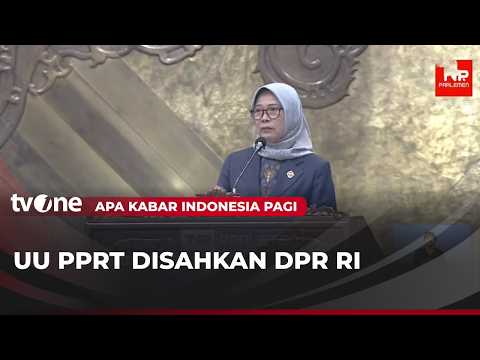
    17th plenary session enacts UU PPRT, granting legal employee status to 4.2 million domestic workers. One-year window opens for implementing regulations.

  3. Civil groups renew calls ahead of expected vote

    Protest

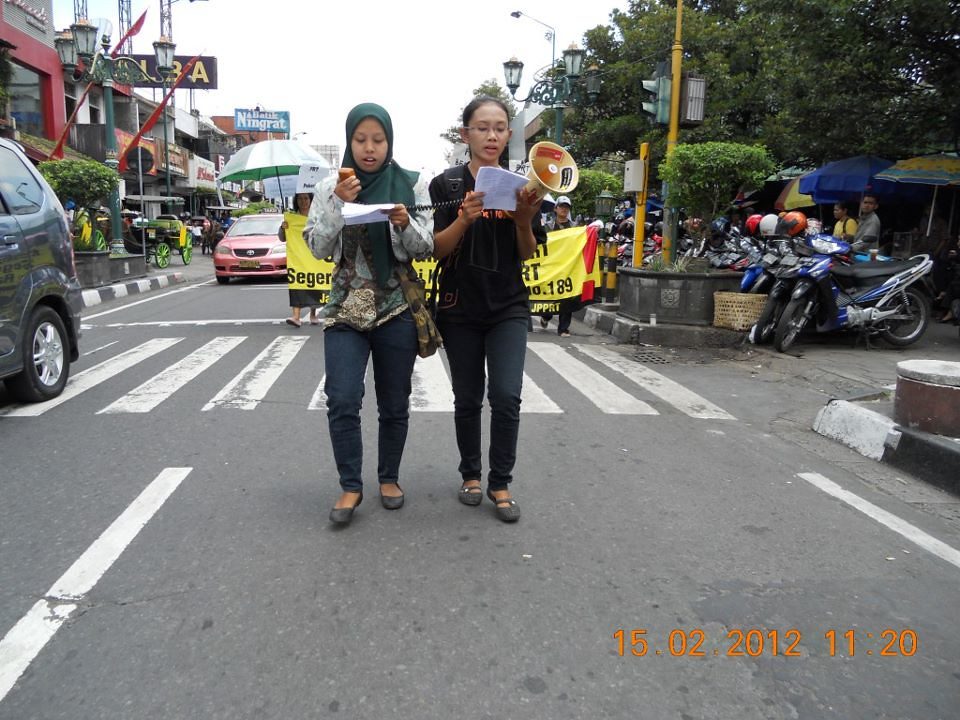
    JALA PRT and allied groups press for passage after repeated delays push past the three-month pledge.

  4. Prabowo pledges PPRT passage within three months

    Political

    On International Labour Day, president and DPR leadership commit publicly to enacting the law.

  5. Prabowo Subianto sworn in as president

    Political

    New administration signals support for previously stalled labor legislation.

  6. Six-city hunger strike draws international attention

    Protest

    Around 360 domestic workers in Jakarta, Medan, Tangerang, Semarang, Yogyakarta, and Makassar take turns fasting from sunrise to sunset.

  7. DPR adopts PPRT as its own initiative bill

    Legislative

    Parliament takes procedural step to own the bill, but floor action stalls again.

  8. Bill lapses as DPR term ends

    Legislative

    Parliament's 2009-2014 term ends without action; bill must be reintroduced.

  9. First hunger strike in Yogyakarta

    Protest

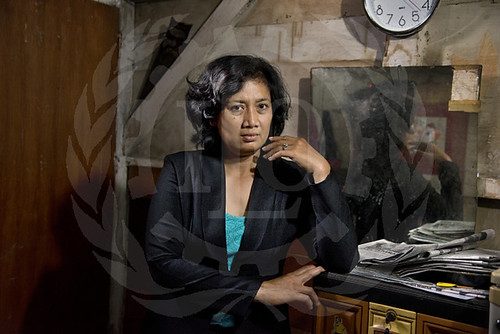
    Four domestic workers and JALA PRT coordinator Lita Anggraini begin hunger strike to pressure parliament.

  10. ILO adopts Convention 189 on domestic workers

    International

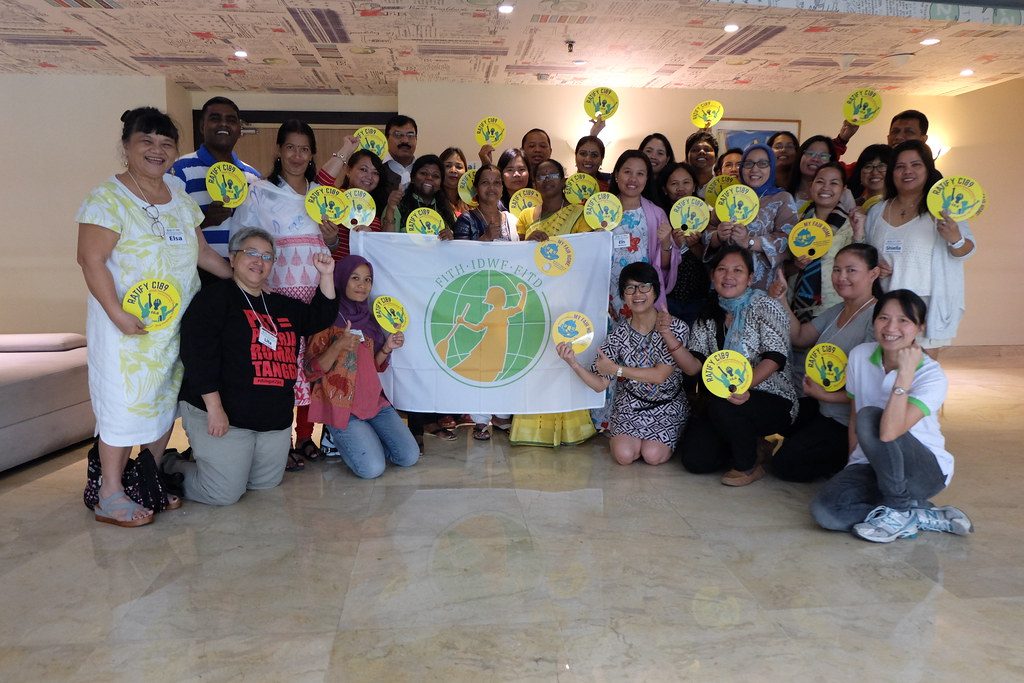
    Global standards recognizing domestic work as work are adopted. Indonesia signs onto drafting but does not ratify.

  11. HRW report on child domestic workers

    Report

    "Workers in the Shadows" documents an estimated 640,000 girls, some as young as 11, working up to 18-hour days in Indonesian homes.

  12. Human Rights Watch documents abuse of domestic workers

    Report

    HRW's "Help Wanted" report details physical, sexual, and financial abuse of Indonesian domestic workers and calls for legal protections. Advocacy groups draft the first PPRT bill the same year.

Scenarios

1

Implementation rules issued on schedule, sector formalizes

Discussed by: Ministry of Manpower; ILO Indonesia office

Regulators issue implementing rules within the 12-month deadline, placement agencies register under the new framework, and employers begin enrolling workers in health insurance and pensions. Formalization is concentrated in Jakarta and major cities first, with slower uptake in rural areas. The law becomes a template that neighboring ASEAN economies study.

2

Enforcement stalls at the front door as private homes resist inspection

Discussed by: Human Rights Watch; JALA PRT

Most domestic work happens behind closed doors in private homes, where labor inspectors have no clear authority to enter. Without a registration mandate with teeth or an accessible complaint mechanism, enforcement relies on workers themselves filing claims against employers they live with. Advocates warn that without funded inspectorates and a hotline, the law risks becoming a paper right—closer to the Philippines' Kasambahay experience than to Hong Kong's standard contract regime.

3

Indonesia ratifies ILO Convention 189

Discussed by: International Labour Organization; labor academics

Domestic passage removes the main political obstacle to ratifying the 2011 ILO Convention on Decent Work for Domestic Workers. Ratification would lock in the new standards against future rollback and strengthen Indonesia's position in bilateral talks over its migrant domestic workers abroad—a significant export to Malaysia, Singapore, Hong Kong, and the Gulf.

4

Placement agencies fight back on wage-deduction ban

Discussed by: Indonesian Business Post; labor economists

The law's ban on placement agencies deducting wages threatens a core revenue model for the industry, which often charges workers months of pay as recruitment fees. Expect lobbying to water down the implementing regulations, legal challenges to specific provisions, and a shift to informal charging structures that skirt the new rules.

Historical Context

Philippines Kasambahay Law (2013)

January 2013

What Happened

President Benigno Aquino III signed Republic Act 10361, granting the Philippines' roughly 1.9 million domestic workers minimum wage, social security, health insurance, and a mandatory written contract. It was the first Southeast Asian law of its kind and came two years after the country ratified ILO Convention 189.

Outcome

Short Term

Registration and compliance rose in Metro Manila but lagged in rural areas. Minimum wages below the national floor drew criticism from labor groups.

Long Term

A decade later, enforcement remains uneven—most Filipino domestic workers still lack written contracts and social security coverage, illustrating the gap between passage and delivery.

Why It's Relevant Today

The Kasambahay Law is the closest regional analogue to Indonesia's PPRT and shows that passage is the beginning, not the end. Indonesia's implementing-rules year will determine whether it repeats the Philippine pattern.

US Fair Labor Standards Act domestic worker amendments (2013)

September 2013

What Happened

The Obama administration's Department of Labor extended federal minimum wage and overtime protections to roughly 2 million US home-care workers, reversing a 1974 "companionship" exemption that had excluded them. The original 1938 FLSA had excluded domestic and agricultural workers outright—a carveout widely understood as a concession to Southern legislators.

Outcome

Short Term

Home-care agencies restructured schedules to avoid overtime; some workers saw hours cut.

Long Term

The rule survived industry legal challenges and cemented domestic work as covered employment. Live-in workers, however, remained partially exempt from overtime rules.

Why It's Relevant Today

Domestic workers have been the last category of labor to gain legal protection in almost every industrialized economy. Indonesia's 22-year delay fits a global pattern where the political weakness of a female, often invisible workforce slows reform.

Hong Kong's Foreign Domestic Helper contract regime (1973–present)

1973 onward

What Happened

Hong Kong established a Standard Employment Contract in 1973 for foreign domestic helpers—mostly Filipinas and Indonesians—setting minimum wages, rest days, and contract terms. Roughly 160,000 Indonesians work under this system today. A 2021 court case secured equal minimum-wage rights but the "two-week rule" and live-in requirement remain.

Outcome

Short Term

Provided baseline protection and formal contracts from the start.

Long Term

Live-in requirements and employer-tied visas create structural dependencies that advocates say enable abuse despite contract protections.

Why It's Relevant Today

Hong Kong shows that formal contracts alone do not prevent abuse when workers lack exit options. Indonesia's new domestic framework will face similar questions about complaint mechanisms and whether workers can leave abusive employers without losing legal status.

Sources

(9)