

Pull to refresh
Logo
Iraq restores oil exports after Strait of Hormuz disruption

Iraq restores oil exports after Strait of Hormuz disruption

Built World

Exports have climbed from about 200,000 barrels a day in May to roughly 3.6 million, the oil minister says, as Baghdad reopens northern routes and courts foreign majors

Overview

Updated 58 minutes ago

Iraq's oil exports have climbed from about 200,000 barrels a day in May to roughly 3.6 million, Oil Minister Basim Mohammed Khudair Al-Abadi said on 26 November. Iraq holds the second-largest quota in OPEC, and oil pays for most of its budget.

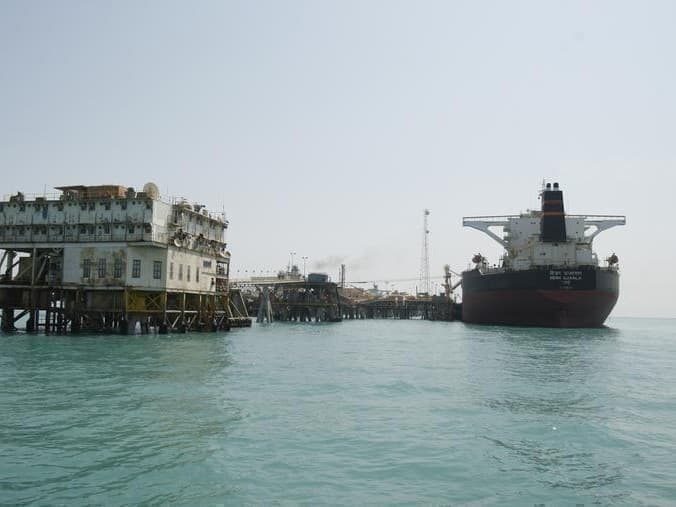
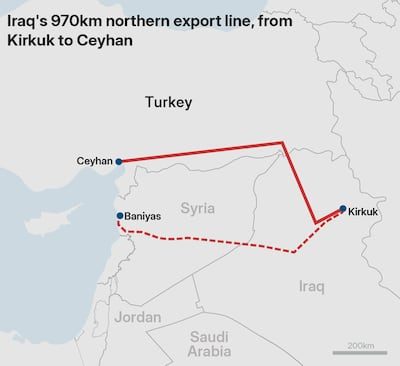
October revenue reached $8.8 billion, the minister said, a monthly figure he described as higher than any before the war. The rebound came from improvised routes and discounts rather than a repaired system: Hormuz shipping, the Kirkuk-Ceyhan pipeline to Turkey, and trucks into Syria.

Why it matters

Iraq's recovery returns roughly 3 million barrels a day to world oil markets and decides whether Baghdad can pay for its 2027 budget.

Questions about this story

Free account needed to ask — your question is kept and asked for you right after sign-up. Answers are public.

No questions yet — be the first to ask.

Key Indicators

3.6M bpd
Export rate at the time of the minister's interview
A spot rate from 26 November, not a monthly average.
$8.8B
October oil revenue
The minister said the month beat any prewar figure.
200K bpd
Export low point in May 2026
Energy Intelligence put May exports at about 260,000 barrels a day.
3.37M bpd
October average export rate
Energy Intelligence estimate for the full month.
$4.5B
Revenue from black oil, sulfur and naphtha exports
Refined and byproduct sales the ministry says hit record volumes at world prices.
4.431M bpd
Iraq's current OPEC+ production ceiling
Baghdad wants the group to assess its capacity far higher.
120K bpd
Kirkuk-Ceyhan pipeline restart volume
The northern route to Turkey reopened in November at a fraction of its capacity.

Voices

Curated perspectives — historical figures and your fellow readers.

Sign up to generate historical perspectives on this story.

People Involved

Organizations Involved

Timeline

February 2026 November 2026

11 events Latest: Yesterday Showing 8 of 11
Tap a bar to jump to that date
  1. Oil minister reports exports at 3.6 million barrels a day

    Latest Statement

    Basim Khudair says exports recovered from 200,000 barrels a day in May.

  2. Finance ministry completes draft 2027 budget

    Budget

    The draft was written amid war, the Hormuz closure and falling exports. Parliament has not received it.

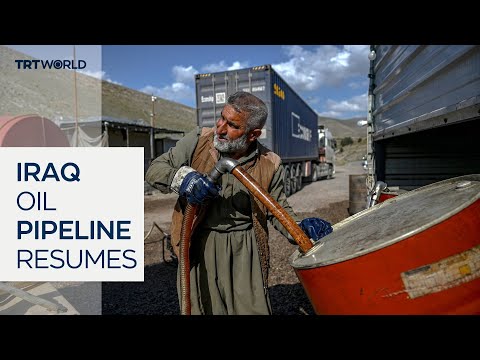
  3. Kirkuk-Ceyhan pipeline restarts at 120,000 barrels a day

    Infrastructure

    The northern route to Turkey's Mediterranean port reopens at a fraction of capacity.

  4. Ministry asks oil companies for expansion plans

    Industry

    A conference with operators set out Baghdad's vision for raising production capacity.

  5. Minister puts October exports above 3.4 million barrels a day

    Statement

    He also put September exports at roughly 3 million barrels a day.

  6. October exports average 3.37 million barrels a day

    Economic

    Energy Intelligence estimates the monthly average; oil revenue reached $8.8 billion.

  7. September exports estimated at 2.65 million barrels a day

    Economic

    Shipments through Hormuz, Ceyhan and Syria begin rebuilding volumes.

  8. New Iraqi government takes office

    Political

    The oil ministry inherited collapsing exports and a constrained budget.

  9. Exports bottom out near 200,000 barrels a day

    Economic

    Southern operators cut output by about 3 million barrels a day at the peak of disruption.

  10. Iraqi crude exports collapse

    Economic

    Monthly exports fell to 18.6 million barrels as Hormuz violence shut the Basra terminals.

  11. US-Israeli war with Iran begins

    Conflict

    Iraq had exported more than 99 million barrels in February before Gulf shipping was disrupted.

Scenarios

1

OPEC+ accepts Iraq's 6 million bpd capacity and raises its quota

Uncertain Resolves by End of 2026

Discussed by: OilPrice.com, reporting Iraq's push before the OPEC+ capacity review

Iraq is refusing to accept a consultant assessment that it can sustainably produce under 5 million barrels a day, and wants the group to recognise about 6 million. A higher assessed capacity would support a larger 2027 quota than its current 4.431 million bpd ceiling. The group meets on 29 November to review 2027 capacities.

2

Baghdad signs draft field contracts with ExxonMobil, Chevron and ConocoPhillips

Possible Resolves by Feb 28, 2027

Discussed by: Iraq's oil minister, who said he hoped for draft contracts next month

The ministry held a conference with international operators and asked for expansion plans within a week. Talks with the three US majors cover several fields. Draft contracts would not raise output on their own, but they would show whether foreign capital returns to Iraqi fields after the war.

3

Exports hold above 3.5 million barrels a day into 2027

Possible Resolves by Apr 30, 2027

Discussed by: Energy Intelligence, which put November exports near 3.5 million barrels a day

The minister's 3.6 million bpd is a spot rate, not a monthly average. Energy Intelligence estimates October averaged 3.37 million bpd and November so far nearly 3.5 million. Holding that level depends on keeping Hormuz shipping open and the northern route running.

4

Iranian attacks close Hormuz again and exports fall back below 2 million bpd

Unlikely Resolves by Q2 2027

Discussed by: Energy Intelligence, which noted a recent flare-up in Iranian tanker attacks

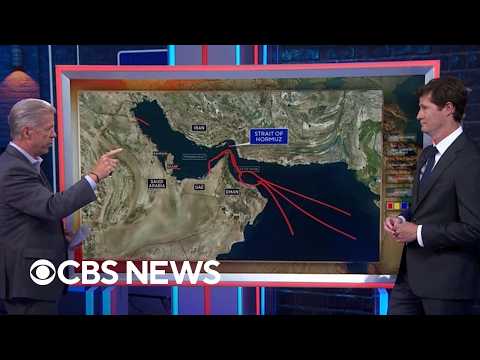
Almost all of Iraq's prewar seaborne exports left through Basra terminals inside the Gulf. Baghdad has kept its recovery going partly through close ties with Tehran, but a sustained attack campaign would remove the main route again. Trucks and the northern pipeline cannot replace 3 million barrels a day.

Historical Context

3 moments from history that rhyme with this story — and how they unfolded.

1984-1988

The Tanker War (1984-1988)

During the Iran-Iraq war, both sides attacked tankers and third-party shipping in the Gulf. In 1987 the United States reflagged eleven Kuwaiti tankers and escorted them under Operation Earnest Will. Insurance rates for Gulf voyages rose sharply.

Then

Convoys kept some traffic moving, but attacks continued until the 1988 ceasefire.

Now

The episode established that Hormuz traffic can be protected only with foreign naval escorts, and that insurers price the risk first.

Why this matters now

Iraq's exports still depend on the same waterway, and the 2026 war repeated the pattern: the volume fell before any policy response could help.

March 2023

Kirkuk-Ceyhan pipeline shutdown (March 2023)

Turkey halted flows of about 450,000 barrels a day on the Iraq-Turkey pipeline after an international arbitration panel ruled Ankara had breached the 1973 pipeline agreement and owed Baghdad roughly $1.5 billion.

Then

Iraq lost its main non-Hormuz outlet, and northern fields shut in.

Now

The route stayed largely idle for years, showing that a bypass pipeline carries its own political risk.

Why this matters now

The pipeline restarted in November 2026 at just 120,000 barrels a day, a small share of what Iraq needs to replace Gulf risk.

September 2019

Abqaiq and Khurais strike (September 2019)

Drone and missile attacks hit Saudi Aramco's Abqaiq processing plant and Khurais field, taking about 5.7 million barrels a day offline, roughly 5% of world supply.

Then

Brent jumped about 15% on the first trading day after the attack.

Now

Saudi output was restored within weeks, but the strike reset how operators and insurers assess single-point infrastructure risk.

Why this matters now

It explains why Baghdad is spreading exports across Hormuz, Ceyhan and truck routes rather than repairing one terminal.

Sources

(9)