
Pull to refresh
Logo
Iraq orders federal control of Kurdish-guarded oilfields and border crossings

Iraq orders federal control of Kurdish-guarded oilfields and border crossings

Rule Changes

Baghdad moves on northern crude, customs and exports after a smuggling inquiry at the state oil company

Overview

Updated 53 minutes ago

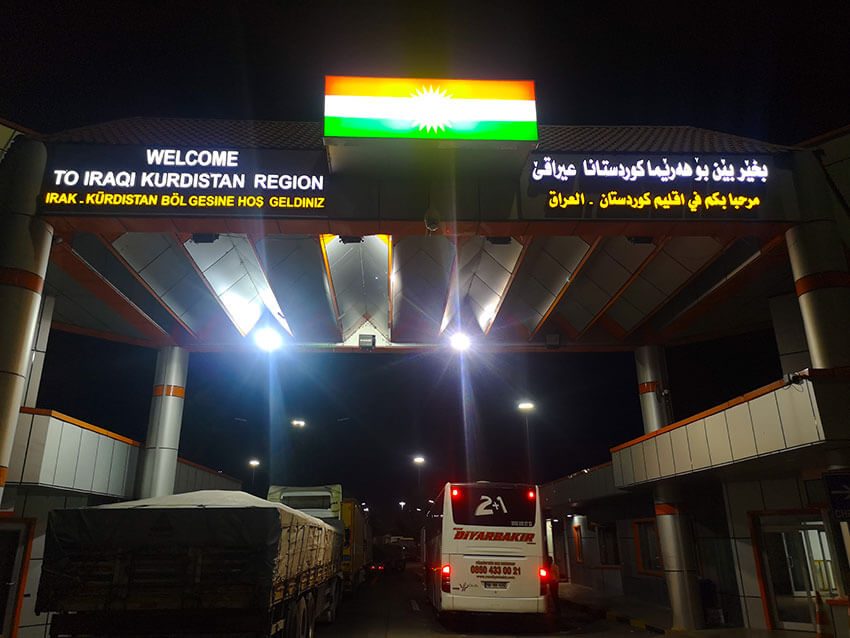
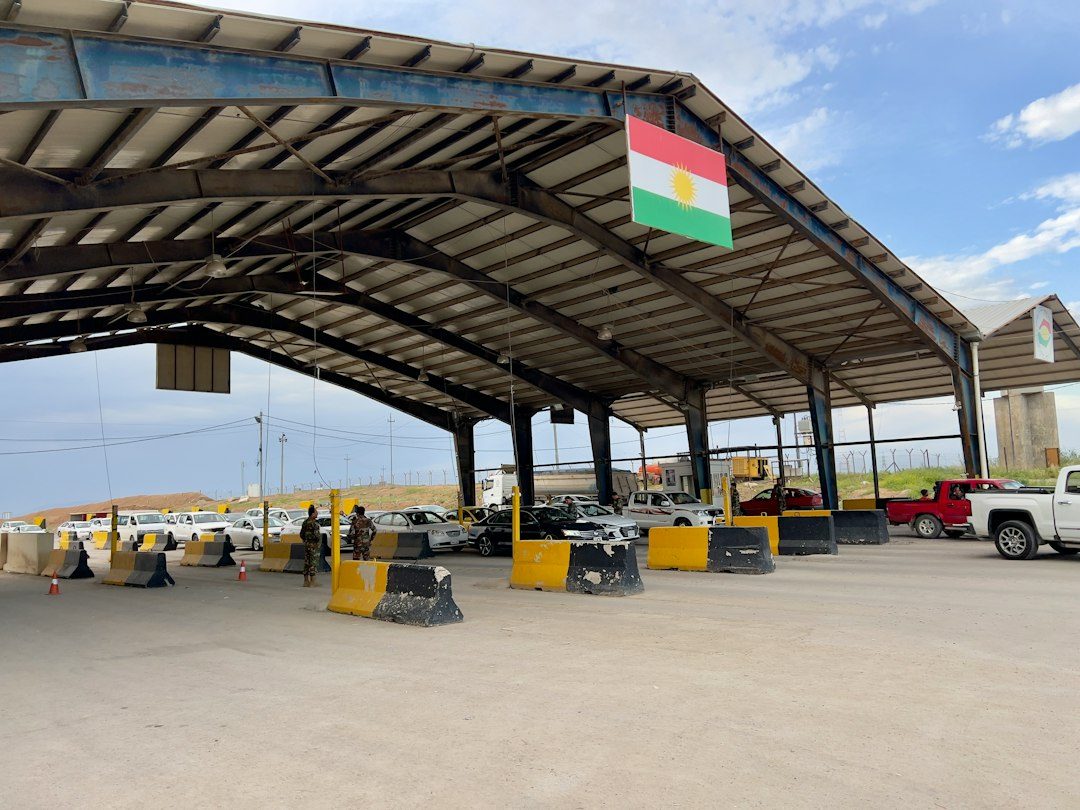
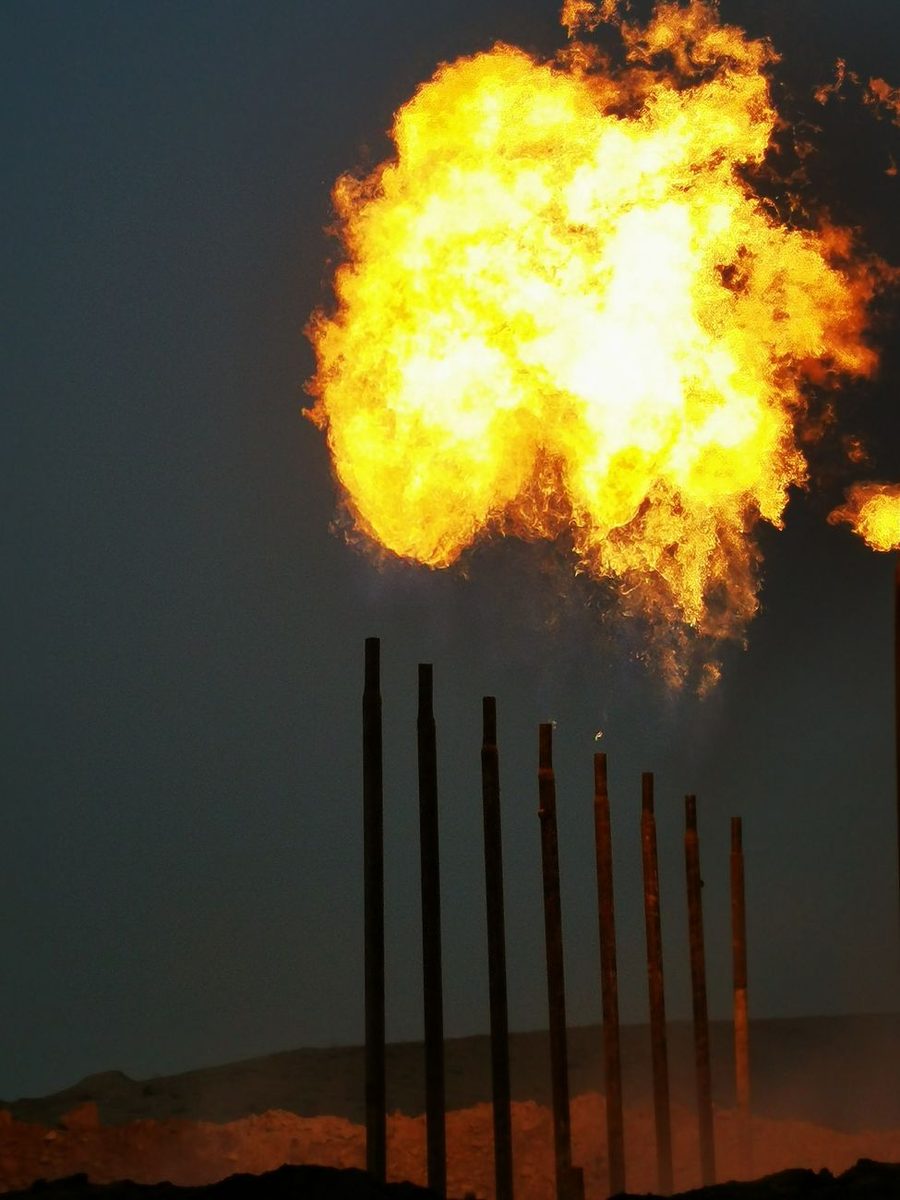
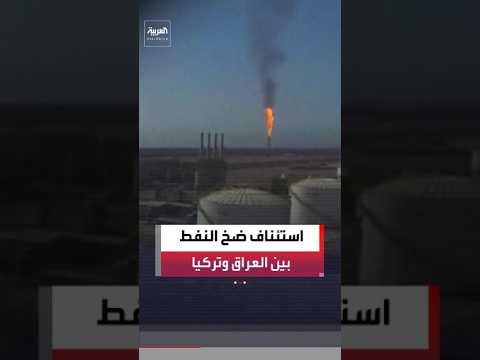
Iraq's prime minister ordered federal authorities on November 24 to manage oilfields guarded by Kurdish forces in four northern provinces and to run every border crossing inside the semi-autonomous Kurdistan region. Under the directive, crude and petroleum products may leave only through the federal Oil Ministry.

The order turns a two-decade argument over northern oil from negotiation into administration. Baghdad says the state marketer has sole export authority; Erbil has sold crude independently through a pipeline to Turkey since 2014. The two main Kurdish parties rejected the directive the same day.

Why it matters

Iraq earns more than 90% of state income from crude. Whoever signs the export receipts decides whether Erbil can pay its own salaries.

Questions about this story

Free account needed to ask — your question is kept and asked for you right after sign-up. Answers are public.

No questions yet — be the first to ask.

Key Indicators

4
Provinces covered by the order
Diyala, Kirkuk, Salahuddin and Nineveh, where fields sit under Kurdish regional security control.
$1.5B
Arbitration award to Iraq against Turkey
The 2023 International Chamber of Commerce ruling covered unauthorized KRG exports between 2014 and 2018.
370,000 bpd
Iraqi crude through Ceyhan in October
Turkish data cited by Reuters for the pipeline route Kurdish authorities partly control.
120,000 bpd
Kirkuk-Ceyhan flows after rehabilitation
The oil minister said pumping resumed on the older federal route on November 17, with a target of 500,000 bpd.
$16
Interim per-barrel payment to producers
Paid under the 2025 export arrangement to cover production and transport costs, pending a cost review.
90%+
Share of Iraqi state income from crude sales
The reason control of export paperwork carries so much weight in Baghdad and Erbil.

Voices

Curated perspectives — historical figures and your fellow readers.

Sign up to generate historical perspectives on this story.

People Involved

Organizations Involved

Timeline

2014 November 2026

9 events Latest: Today
Tap a bar to jump to that date
  1. Prime minister orders federal takeover of oilfields and border crossings

    Today Order

    The directive covers fields in Diyala, Kirkuk, Salahuddin and Nineveh, requires exports through the federal Oil Ministry, and hands all regional crossings to the federal border authority.

  2. Kurdistan's two main parties jointly reject the order

    Today Statement

    The KDP and PUK set aside a political standoff to call the directive a violation of constitutionally protected regional rights.

  3. Pumping resumes on the rehabilitated Kirkuk-Ceyhan route

    Energy

    The oil minister says flows began at 120,000 barrels per day, with plans to raise them toward 500,000.

  4. Turkey and Iraq sign one-year pipeline agreement

    Deal

    The arrangement covers 750,000 barrels per day of capacity while the two governments negotiate a longer-term deal.

  5. Kirkuk crude cleared to move through Kurdish pipeline network

    Deal

    Baghdad and Erbil agree to route federal crude from Kirkuk to Ceyhan through the KRG-controlled network.

  6. Flows resume under an interim export deal

    Deal

    Baghdad, the KRG and most foreign producers agree the region will deliver crude to the federal marketer SOMO.

Scenarios

1

Erbil refuses handover, fields stay under Kurdish security control

Possible Resolves by Q2 2027

Discussed by: Reuters, citing Baghdad-based analyst Hamza Mustafa

Kurdish authorities point to the absent federal oil and gas law, which has never been passed, and treat the order as unconstitutional. Federal oil ministry staff cannot operate fields still guarded by regional forces, and the dispute moves into constitutional argument and budget bargaining rather than physical transfer. Analysts quoted by Reuters expect Kurdish authorities to resist any federal move on Khormala.

2

Federal ministry takes over Khormala and export paperwork moves to Baghdad

Uncertain Resolves by Q1 2027

Discussed by: Reuters, citing three people familiar with the order

The directive names fields under regional security control, and Reuters reported that Khormala appeared to be covered. If federal staff and security move in, all northern crude sales route through SOMO and Baghdad controls the revenue split. The 2025 interim deal already requires the KRG to deliver crude to SOMO, giving Baghdad an administrative channel to build on.

3

Package deal trades field access for budget transfers in the 2027 budget

Possible Resolves by Feb 28, 2027

Discussed by: Forbes Middle East, which reports the files returned to negotiations over the 2027 federal budget

Baghdad wants exports and crossings under federal authority; Erbil wants predictable salary transfers and dollar access for traders. The 2027 budget is the vehicle where both sides can trade concrete items. A deal would keep federal claims on paper while restoring payments the KRG depends on.

Historical Context

3 moments from history that rhyme with this story — and how they unfolded.

2014-2023

Iraq's arbitration against Turkey over Kurdish crude (2014-2023)

After the KRG began pumping crude to Ceyhan without federal approval, Baghdad took Ankara to the International Chamber of Commerce in Paris. The panel ruled in Iraq's favor in 2023 and ordered Turkey to pay about $1.5 billion for unauthorized exports between 2014 and 2018.

Then

Turkey shut the pipeline, halting roughly 450,000 barrels per day for two and a half years.

Now

Flows only resumed in September 2025 under an interim deal requiring the KRG to deliver crude to the federal marketer SOMO, a model the November order now extends.

Why this matters now

Baghdad's legal route works but takes years. The current order tries to get the same result administratively, without waiting for a court.

2014-2017

Kurdish forces seize Kirkuk, federal forces retake it (2014-2017)

Kurdish forces took control of oil-rich Kirkuk province in 2014 as Islamic State fighters advanced. After the KRG held an independence referendum in 2017, federal forces retook the province.

Then

The KRG lost the revenue from fields it had held for three years.

Now

Kirkuk sits outside the Kurdistan region's formal boundaries but is claimed by both sides, which is why the November order names it alongside three other provinces.

Why this matters now

Federal authority over disputed northern territory has moved by force before. This order tests whether it can move by directive.

2022

Federal Supreme Court voids the KRG oil law (2022)

Iraq's Federal Supreme Court ruled the KRG's oil and gas law unconstitutional and ordered the region to hand its production to the federal ministry. The court also authorized the ministry to challenge contracts the KRG signed with foreign oil firms.

Then

The KRG rejected the ruling and kept signing and honoring production-sharing contracts.

Now

The contracts remain in litigation, and Iraq still has no federal oil and gas law setting out how Baghdad and producing regions share authority.

Why this matters now

The missing federal law is the gap both sides point to. Baghdad says the constitution gives it export authority; Erbil says fields discovered after 2005 are regional.

Sources

(7)