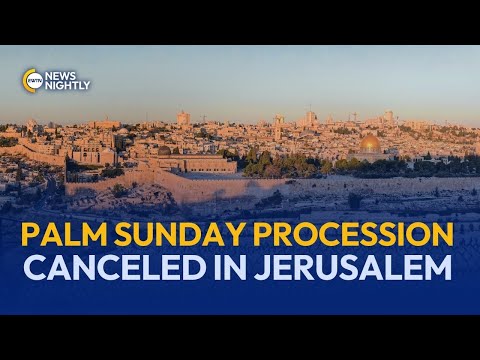
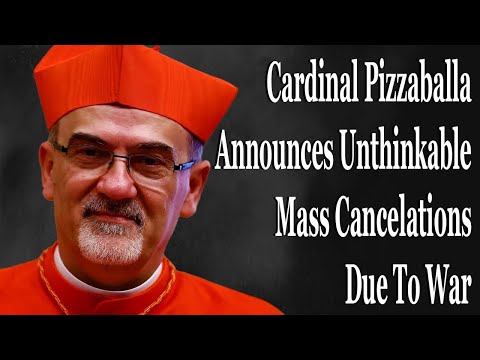
Israel blocks worship at Jerusalem's holiest sites amid Iran war
Rule Changes
Palm Sunday barring of Cardinal Pizzaballa marked first disruption of Mass at the Holy Sepulchre in centuries; sites reopened April 9 after 40-day closure
Palm Sunday barring of Cardinal Pizzaballa marked first disruption of Mass at the Holy Sepulchre in centuries; sites reopened April 9 after 40-day closure
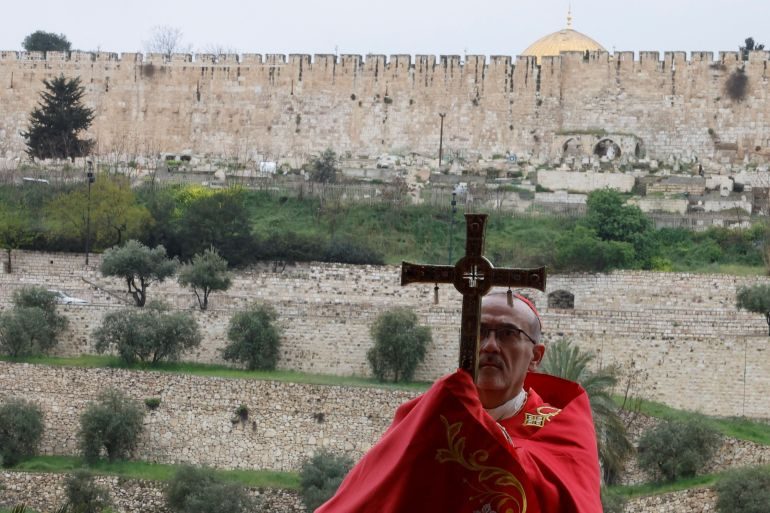
For roughly 270 years, under Ottoman, British, Jordanian, and Israeli rule, a delicate arrangement called the "status quo" has kept worship running at Jerusalem's holiest sites, even through wars and occupations. On Palm Sunday March 29, 2026, Israeli police broke that streak by turning away Cardinal Pizzaballa, the senior Catholic leader in Jerusalem, though only four church representatives were entering without a procession.
Why it matters
Wartime closures tested the 270-year status quo on holy site access amid global scrutiny—and ultimately upheld it.
Questions about this story
Free account needed to ask — your question is kept and asked for you right after sign-up. Answers are public.
No questions yet — be the first to ask.
Key Indicators
~270
Years the status quo has governed holy site access
The arrangement dates to a 1757 Ottoman decree and survived every subsequent conflict — until now.
4
Church representatives blocked on Palm Sunday
Well below the 50-person limit Israel applied at other Jerusalem religious sites.
3
Major holy sites closed simultaneously
The Holy Sepulchre, Al-Aqsa Mosque, and Western Wall have all been shuttered since early March 2026.
20+
Consecutive days Al-Aqsa has been closed
The first Ramadan since 1967 that Palestinians cannot perform Friday prayers at the mosque.
12 events
Latest: April 9th, 2026 · 6 months ago
Showing 8 of 12
JK to step
Tap a bar to jump to that date
Jump to
April 2026
Al-Aqsa Mosque and Holy Sepulchre reopen after 40-day closure
LatestReopening
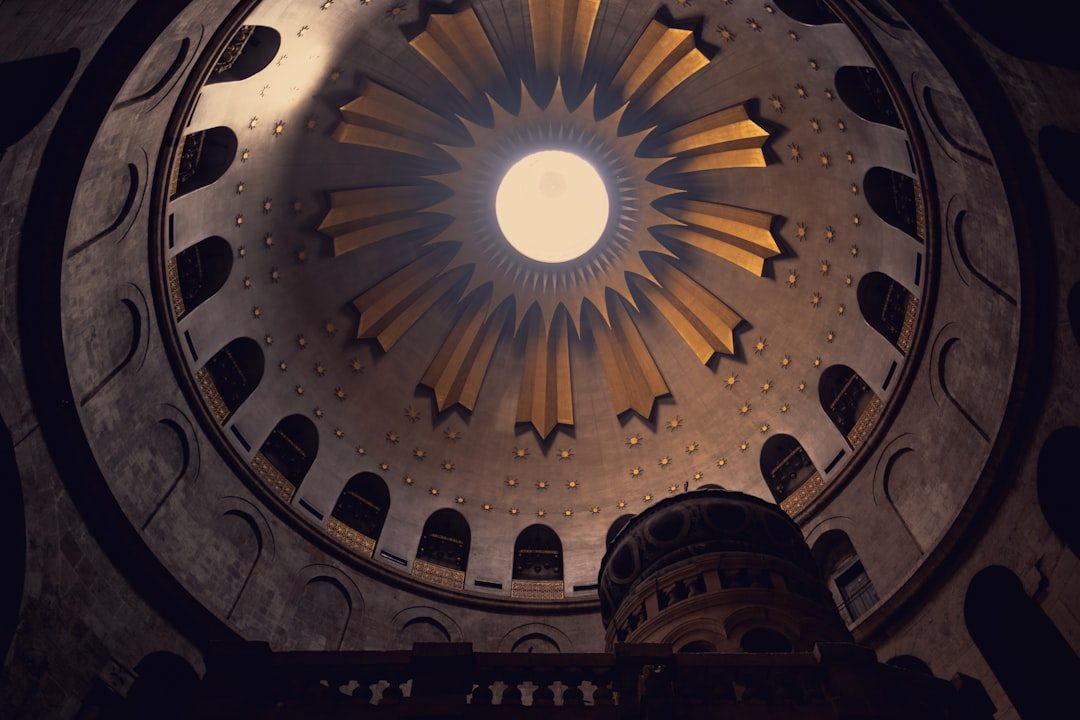
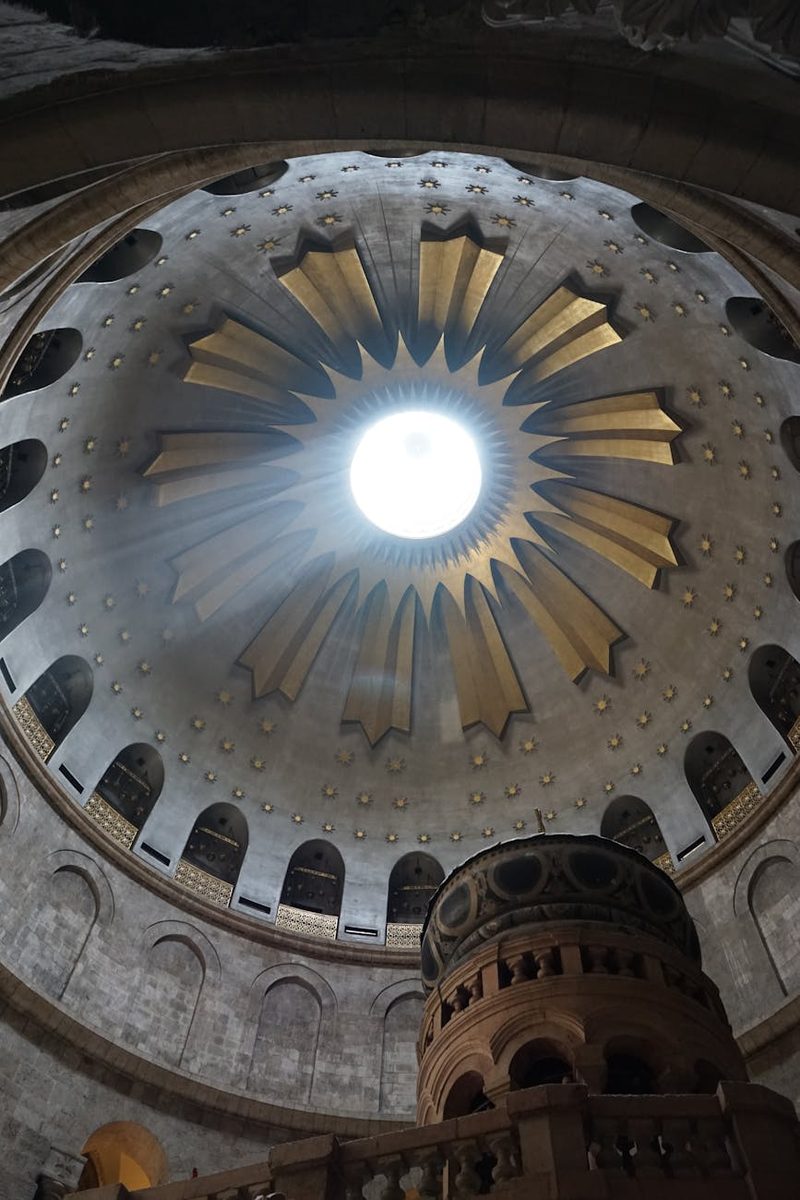
Israeli authorities lifted the wartime ban, allowing ~3,000 Palestinians to pray at Al-Aqsa dawn prayers and reopening the Church of the Holy Sepulchre. This ended the longest Al-Aqsa closure since 1967, which included barring Eid al-Fitr prayers.
March 2026
Israeli police block Cardinal Pizzaballa from Palm Sunday Mass
Restriction
Police prevented Cardinal Pizzaballa and Fr. Francesco Ielpo — just four Catholic representatives total — from entering the Holy Sepulchre to celebrate Palm Sunday Mass. It was the first time in centuries the ceremony could not take place.
International condemnation and diplomatic fallout
Diplomatic
Italy summoned the Israeli ambassador. France, Portugal, Germany, and the European Parliament condemned the action. U.S. Ambassador Huckabee called it an "unfortunate overreach." Netanyahu promised a plan to restore some Holy Week access.
Christian leaders call for Holy Sepulchre to reopen before Easter
Statement
Church leaders in Jerusalem publicly urged Israel to reopen the Church of the Holy Sepulchre ahead of the most important week in the Christian calendar.
Israel cancels Friday prayers at Al-Aqsa
Restriction
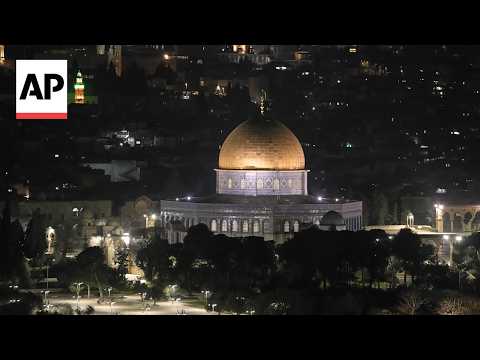
Israel formally canceled Friday prayers at Al-Aqsa Mosque during Ramadan — the first time since capturing East Jerusalem in 1967 that Palestinians could not worship there during the holy month.
Iranian missile debris strikes Jerusalem's Old City
Conflict
Fragments from an Iranian ballistic missile hit the Old City, damaging areas near Al-Aqsa Mosque, the Church of the Holy Sepulchre, and the Jewish Quarter. Israel closed all major holy sites.
February 2026
U.S.-Israeli strikes on Iran begin
Conflict
The United States and Israel launched military strikes against Iran, killing Supreme Leader Ali Khamenei. Iran retaliated with ballistic missiles targeting Israeli cities.
Israel announces Al-Aqsa restrictions for Ramadan
Restriction
Israel announced it would cap access to Al-Aqsa Mosque at 10,000 daily permits during Ramadan — a fraction of the hundreds of thousands who normally attend Friday prayers.
April 2025
2025 Holy Fire ceremony severely restricted
Restriction
Only 6,000 permits were issued to West Bank Christians. Israeli soldiers erected checkpoints, reportedly beat and arrested some worshippers, and denied entry to a Vatican envoy.
February 2025
Jerusalem demands taxes from Armenian Patriarchate
Institutional
Jerusalem municipality announced it would impose property taxes on Armenian Patriarchate lands, claiming unpaid taxes since 1994, and threatened to seize and auction historic properties.
May 2024
Israel restricts access to 2024 Holy Fire ceremony
Restriction
Israeli police set up barriers at Old City entryways and barred nearly all West Bank Palestinian Christians from attending the Holy Fire ceremony at the Holy Sepulchre.
October 2023
Hamas attacks Israel; Christian work permits revoked
Conflict
After the Hamas-led attack on southern Israel, Israel revoked nearly all work permits for Christians in the Palestinian territories, beginning a period of tightened movement restrictions across Jerusalem.
Scenarios
1
Israel reopens holy sites for Easter under international pressure
Likely
Discussed by: Netanyahu's own statement promising a plan, and Huckabee's framing suggesting quick resolution expected
The swift diplomatic backlash — including criticism from Israel's closest ally — forces the government to allow limited Holy Week access before Easter on April 5. Israel negotiates a security protocol with church leaders permitting small groups to enter the Holy Sepulchre. Al-Aqsa and the Western Wall remain closed or heavily restricted. The incident becomes a diplomatic embarrassment but not a lasting rupture.
2
Closures continue through Easter, deepening rift with Christian world
Possible
Discussed by: Middle East Eye analysis and European Parliament statements warning of lasting damage
Security concerns — or political calculations — keep the Holy Sepulchre closed through Easter, the most important date in the Christian calendar. The Vatican escalates from indirect criticism to direct condemnation. European governments impose diplomatic consequences beyond ambassador summons. The episode becomes a defining symbol of wartime overreach and permanently strains Israel's relationships with Christian-majority nations.
3
Wartime closures become the new normal, rewriting the status quo
Uncertain
Discussed by: Macron's framing as part of 'a worrying series of violations' and analysts tracking the multi-year pattern
The Iran war closures, layered on top of years of escalating restrictions — the 2024-2025 Holy Fire limits, the Armenian tax dispute, the post-October 7 permit revocations — establish a precedent where Israel exercises unilateral control over holy site access in ways that effectively dissolve the 270-year-old status quo arrangement. Access becomes a security-gated privilege rather than an established right.
Historical Context
3 moments from history that rhyme with this story — and how they unfolded.
1 of 3
October 1853 - March 1856
Crimean War origins of the Status Quo (1853-1856)
A dispute between France and Russia over which nation's monks controlled access to Christian holy sites in Ottoman-ruled Jerusalem escalated into a war that killed over 600,000 people. Russia demanded the right to protect Orthodox Christians in the Ottoman Empire; France backed Catholic claims. The Ottoman Empire, Britain, and France fought Russia.
Then
The 1856 Treaty of Paris formally internationalized the protection of Jerusalem's holy sites, enshrining the status quo arrangement in Article 9.
Now
The principle that no single power could unilaterally change holy site access became embedded in international law and survived every subsequent change in sovereignty over Jerusalem.
Why this matters now
The status quo arrangement was literally forged from a war over holy site access. When Macron warns about violations of that status, he is invoking a principle that European powers once fought a major war to establish.
2 of 3
February 2018
Church of the Holy Sepulchre tax dispute closure (2018)
Jerusalem's municipality attempted to collect approximately $190 million in property taxes from 887 church-owned properties. In an extraordinary act of protest, the Greek Orthodox, Catholic, and Armenian churches jointly closed the Church of the Holy Sepulchre for three days — the first voluntary closure in decades.
Then
Prime Minister Netanyahu personally intervened within days, suspending the tax collection and establishing a negotiating committee.
Now
The episode demonstrated that international pressure over the Holy Sepulchre forces rapid Israeli government concessions. But the underlying tax dispute was never fully resolved, and Jerusalem resumed tax demands on the Armenian Patriarchate in 2025.
Why this matters now
The 2018 episode shows the playbook: holy site disruption triggers international pressure, which forces Israeli government concessions. The key difference in 2026 is that the closure is government-imposed rather than church-initiated, and the wartime context gives Israel a stronger justification to resist that pressure.
3 of 3
July 2017
Al-Aqsa Mosque metal detector crisis (2017)
After two Israeli police officers were killed near the Temple Mount, Israel installed metal detectors at the entrances to Al-Aqsa Mosque — the first structural security change at the site in decades. Palestinians and the Jordanian Islamic Waqf, which administers the site, refused to pass through them, holding prayers in the streets instead. Protests spread across the West Bank and East Jerusalem, killing several people.
Then
After two weeks of escalating violence and diplomatic pressure from Jordan (which threatened to recall its ambassador), Israel removed the metal detectors.
Now
The episode reinforced that unilateral changes to holy site access — even those framed as security measures — carry enormous political costs and can trigger rapid escalation.
Why this matters now
Israel framed the metal detectors as a security necessity, just as it frames the 2026 closures. The 2017 precedent suggests that sustained international and regional pressure can force reversal, but the scale of the current closures — all sites, all faiths — is far larger.