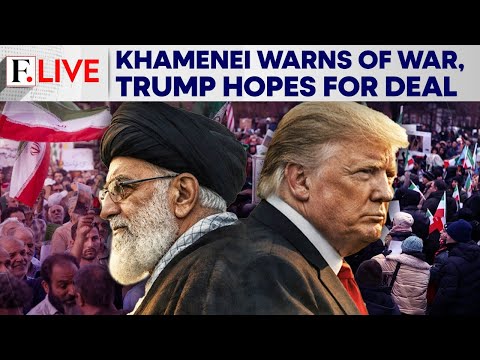
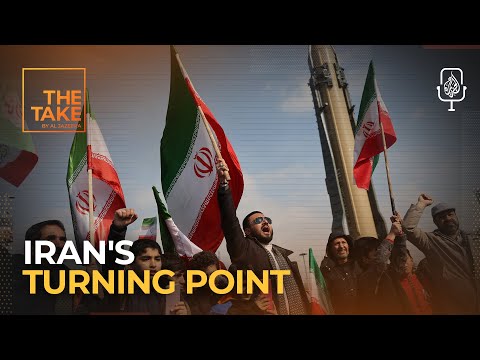
On February 28, 2026, the United States and Israel launched Operations Epic Fury and Roaring Lion—coordinated airstrikes targeting Iranian military infrastructure, nuclear facilities, and senior leadership. Supreme Leader Ali Khamenei was killed in the strikes; his son Mojtaba was elected as the new Supreme Leader on March 8 but hasn't appeared publicly, reportedly recovering from injuries sustained in the same strike. Iran retaliated by closing the Strait of Hormuz, the chokepoint for 20 percent of world oil trade. Pakistan brokered a ceasefire on April 8, but Iran re-closed the Strait on April 18 after the United States refused to lift its naval blockade imposed following failed peace talks.
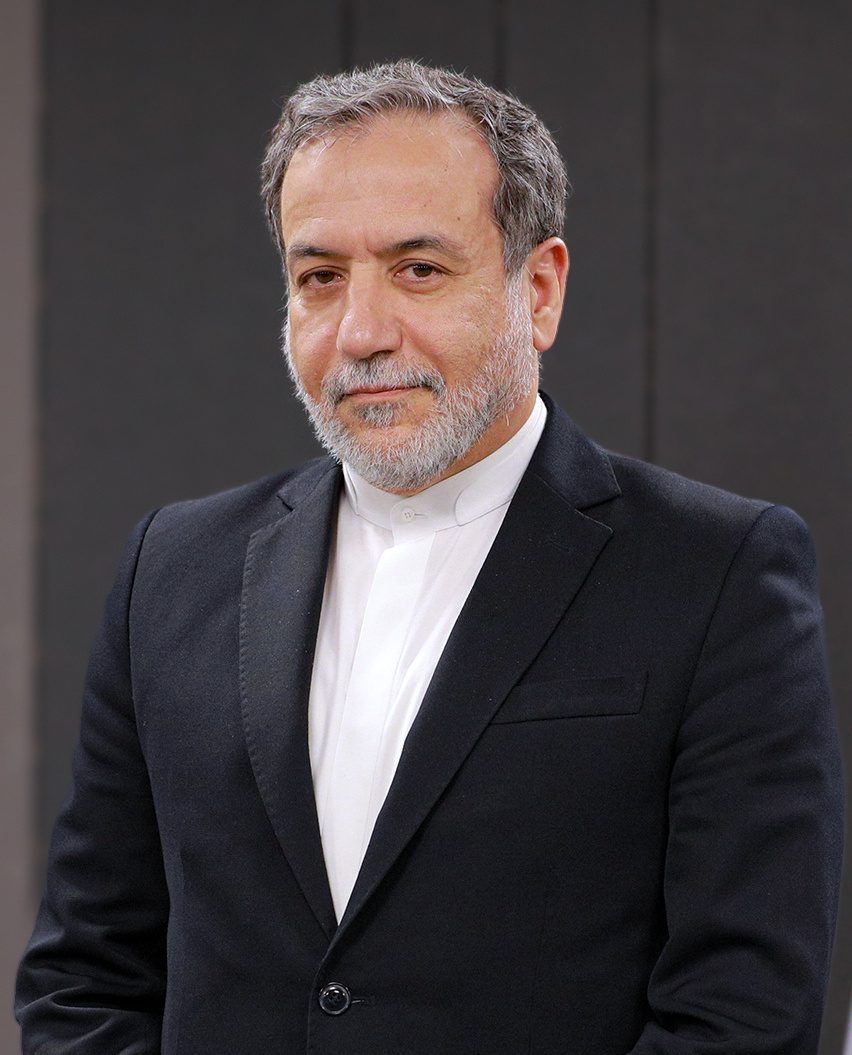
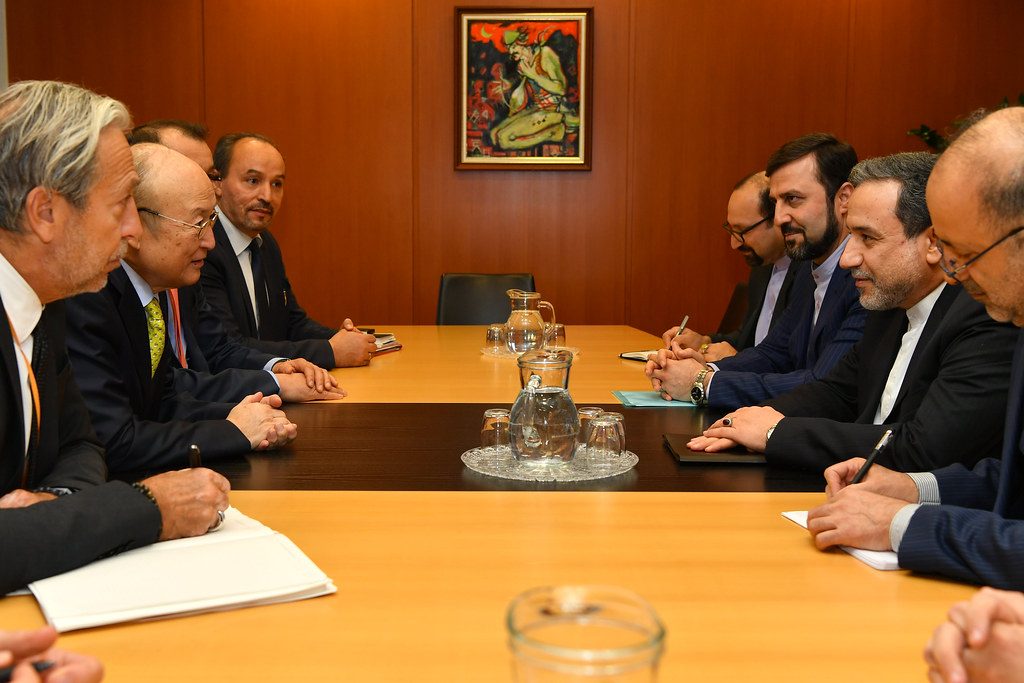
Peace talks in Islamabad ended without agreement on April 12 after 21 hours, led by U.S. Vice President JD Vance and Iranian Foreign Minister Abbas Araghchi: Washington demanded permanent uranium enrichment halt, Tehran offered five years. The U.S. imposed a naval blockade on April 13, costing Iran $400 million daily, prompting Iran to re-close the Strait on April 18 and vow retaliation. The U.S. Navy seized the Iranian cargo ship Touska on April 19 for attempting to breach the blockade. As of April 20, the two-week ceasefire expires April 22; Trump called further extension 'highly unlikely' while Netanyahu said Israel has an 'unfinished job' in Iran.
Why it matters
Iran's Hormuz closure blocks 20% of global oil; resumed war risks an energy shock, nuclear escalation, and a wider Middle East conflagration.
Questions about this story
Free account needed to ask — your question is kept and asked for you right after sign-up. Answers are public.
No questions yet — be the first to ask.
Key Indicators
Apr 22
Ceasefire Expiration
Two-week truce expires Wednesday evening Eastern time; Trump says extension 'highly unlikely' as Iran withdraws from talks and Hormuz crisis deepens
Re-closed Apr 18
Strait of Hormuz
Iran closed the vital shipping lane again after US refused to lift its naval blockade; two Indian ships reported attacked while attempting to cross
Apr 13
US Naval Blockade Active
US imposed naval blockade on all Iranian ports after Islamabad talks collapsed; costs Iran an estimated $400 million per day; oil well damage threatened if not lifted by April 26
21 hours — No Deal
Islamabad Talks Failed
VP Vance-led US team and Iran's Araghchi failed to bridge nuclear enrichment gap after marathon talks April 11–12; Iran claimed 'inches away' before US 'shifted goalposts'
Feb 28
2026 War Began
US-Israel Operations Epic Fury and Roaring Lion targeted Iran's nuclear sites and senior leadership; Supreme Leader Khamenei assassinated
Mojtaba Khamenei
New Supreme Leader
Son of assassinated Supreme Leader elected March 8; reportedly injured in same strike; has not appeared publicly—first statement read on state TV
440 kg
Uranium enriched to 60%
Iran's pre-war stockpile of near-weapons-grade uranium; status uncertain since June 2025 war and the February 28, 2026 US-Israel strikes on nuclear facilities
40,000+
U.S. troops in region
Includes carrier groups, missile defense systems, and naval blockade enforcement forces now deployed in the Gulf of Oman and Arabian Sea
Images from Openverse under Creative Commons licenses.
Videos from YouTube.
Voices
Curated perspectives — historical figures and your fellow readers.
Oscar Wilde
(1854-1900) ·Victorian · wit
Fictional AI pastiche — not real quote.
"How extraordinary that nations should threaten one another with annihilation over the right to split atoms, when they have already proven themselves so proficient at splitting hairs. One might suggest that diplomacy, like marriage, consists largely of two parties insisting they will discuss everything except the only things worth discussing."
0% found this insightful
Ever wondered what historical figures would say about today's headlines?
Sign up to generate historical perspectives on this story.
35 events
Latest: April 20th, 2026 · 6 months ago
Showing 8 of 35
JK to step
Tap a bar to jump to that date
Jump to
April 2026
Ceasefire on Brink; Iran Withdraws from Talks; Trump Rules Out Extension
LatestEscalation
Trump declared the ceasefire would expire 'Wednesday evening' (April 22) and called a further extension 'highly unlikely.' Iran's Foreign Ministry announced it would not send negotiators to a second round of Islamabad talks Pakistan was trying to host, citing the Touska seizure. Two Indian ships reported being attacked in the Strait of Hormuz. Israeli PM Netanyahu said Israel had an 'unfinished job' in Iran.
US Navy Seizes Iranian Cargo Ship Touska; Iran Vows Retaliation
Military
The destroyer USS Spruance and the 31st Marine Expeditionary Unit seized the Iranian-flagged cargo ship Touska in the Gulf of Oman after it refused blockade warnings over six hours; the Navy fired on the vessel's engine room before boarding. Iran called the seizure 'piracy' and vowed a 'swift response,' while markets shuddered as oil prices spiked.
Iran Re-closes Strait of Hormuz After US Refuses to Lift Naval Blockade
Escalation
Iran announced it was re-closing the Strait of Hormuz in retaliation for the US refusal to lift its naval blockade of Iranian ports. Video footage showed ships turning back from the Strait. Two ships reported attacks while attempting to cross.
Diplomats Warn Trump's Iran Envoys Lack Expertise for Nuclear Deal
Statement
Current and former diplomats told Time magazine they feared Witkoff and Kushner lacked the technical depth for nuclear negotiations, warning the talks were 'not working.' Mediators from Pakistan, Egypt, and Turkey were simultaneously racing to narrow gaps before the ceasefire expired.
Officials Signal Openness to Second Round of US-Iran Talks
Negotiation
Despite the Islamabad failure, US and Iranian officials indicated openness to a second negotiating round, with Pakistan, Egypt, and Turkey intensifying mediation efforts; the central sticking points remained the duration of any enrichment pause and the scope of sanctions relief.
March 2026
Trump Extends Iran Energy-Strike Pause to April 6, Citing Negotiations
De-escalation
President Trump extended by 10 days his deadline for Iran to reopen the Strait of Hormuz, pausing strikes on energy infrastructure until April 6—this is the second extension. US envoy Witkoff noted mediation offers from Pakistan, Egypt, and Turkey; US transmitted 15-point peace framework to Iran via Pakistan after Iran rejected prior proposal.
February 2026
China Urges Citizens to Evacuate Iran Amid US Strike Fears
Escalation
China's foreign ministry issued an urgent advisory for nationals in Iran to 'evacuate as soon as possible' citing 'significant increase in external security risks' after third round Geneva talks ended without deal; Germany issued similar Israel warning.
Oman Confirms Third Round Talks for Feb 26
Negotiation
Omani FM Badr al-Busaidi confirms US envoy Witkoff and Iranian FM Araghchi to meet Thursday in Geneva for third nuclear talks round; Iranian President Pezeshkian cites encouraging signals amid US military buildup and Tehran student protests.
Araghchi Confirms Likely Third Round in Geneva
Negotiation
Iranian FM tells CBS 'Face the Nation' he will probably meet Witkoff on Thursday (Feb 26) in Geneva, cites 'good chance' for deal while working on proposal elements; follows US demand for detailed Iranian nuclear text within 48 hours.
Trump Issues 10-15 Day Nuclear Deal Ultimatum
Statement
President Trump warns Iran of 'bad things' within 10-15 days if no meaningful nuclear agreement reached; Araghchi announces Iran preparing proposal for submission in 'two or three days' ahead of next talks.
Geneva Round Two Yields Guiding Principles Agreement
Negotiation
Second round of indirect talks concluded after three hours; Araghchi reports 'good progress' and consensus on guiding principles to draft potential agreement texts for exchange. No third round date set; US calls talks 'as anticipated'; Iran rejects non-nuclear topics.
Iran Signals Compromise on Uranium Dilution
Statement
Iran offers to dilute 60% enriched uranium stockpile if sanctions relief discussed; Deputy FM Takht-Ravanchi says 'ball in America's court' ahead of Geneva talks.
First Round of Muscat Talks Convened
Negotiation
US envoys Witkoff and Kushner held indirect nuclear talks with Iranian FM Araghchi in Oman, mediated by Omani FM Badr al-Busaidi. Araghchi called it a 'very good start'; no breakthroughs but agreement to continue.
Iran Displays Upgraded Khormshahr-4 Missile
Military
Iran publishes video claiming newly improved missile carries 1.5-ton warhead, travels 2,000 kilometers, and can strike Israel with 30-meter accuracy. Display signals strength ahead of Oman talks.
Talks Nearly Collapse Over Location and Format
Negotiation
Iran backs out of Istanbul agreement, demanding bilateral nuclear-only talks in Oman instead. White House initially rejects, threatens cancellation. At least nine Arab nations urgently lobby Trump administration to preserve talks.
Talks Restored After Regional Pressure
Diplomacy
Following urgent appeals from regional leaders, Trump administration agrees to relocate talks to Oman and narrow agenda to nuclear issues only. Jared Kushner added to US delegation alongside Witkoff.
Pezeshkian Orders Talks Resumed
Decision
Iranian president directs resumption of nuclear negotiations. Meeting with Witkoff expected Friday in Istanbul.
January 2026
Araghchi Signals Readiness for Talks
Statement
Foreign minister says Iran ready for diplomacy "with mutual respect," but missiles remain non-negotiable.
Regime Launches Crackdown
Domestic
After initially conciliatory response, government orders live fire on protesters. Thousands killed in following days.
December 2025
Mass Protests Begin
Domestic
Protests erupt across Iran starting at Tehran's Grand Bazaar over inflation and currency collapse, quickly spreading to all 31 provinces.
Warhead Program Authorized
Decision
Reports emerge that Khamenei authorized development of miniaturized nuclear warheads for ballistic missiles in October.
October 2025
Iran Terminates JCPOA
Policy
Iran officially ends the 2015 nuclear agreement, declaring all restrictions void.
September 2025
UN Sanctions Reimposed
Legal
European powers trigger snapback mechanism, reimposing all UN sanctions that JCPOA had suspended.
June 2025
Twelve-Day War Ceasefire
Military
Israel and Iran agree to ceasefire under U.S. pressure after 12 days of military exchanges.
U.S. Bombs Nuclear Facilities
Military
United States directly bombs Iranian nuclear sites at Fordow, Isfahan, and Natanz.
Sixth Round Cancelled
Negotiation
Scheduled talks in Oman indefinitely suspended following Israeli strikes.
Israel Strikes Iranian Nuclear Sites
Military
Israel launches surprise attack targeting over 100 military and nuclear sites, killing scientists and officials. Natanz enrichment plant destroyed.
May 2025
Three More Rounds Held
Negotiation
U.S. and Iran complete five rounds of talks through May. Sixth round scheduled for June 15 in Oman.
April 2025
Second Round in Rome
Negotiation
Indirect talks continue. Trump says he's open to meeting Khamenei directly.
First Round of Talks in Muscat
Negotiation
Witkoff and Araghchi hold first indirect talks through Omani mediators. Iran proposes reducing enrichment to 3.67% in exchange for frozen assets.
March 2025
Khamenei Rejects Overture
Statement
Supreme Leader publicly rejects negotiations, saying talks would only tighten sanctions pressure.
Trump Sends Letter to Khamenei
Diplomacy
Trump sends letter to Supreme Leader demanding full nuclear dismantlement, enrichment halt, and end to proxy support within two months.
Khamenei Reverses Position
Decision
After senior officials warn regime could collapse, Khamenei agrees to nuclear talks with conditions: missiles and proxies off-limits.
February 2025
Maximum Pressure 2.0 Launched
Policy
Trump signs National Security Presidential Memorandum 2 directing officials to impose maximum pressure on Iran.
January 2025
Trump Returns to Office
Political
Donald Trump inaugurated for second term, inheriting Iran at its weakest point since 1979 following proxy losses and economic pressure.
Both sides accept a narrower agreement focused solely on the nuclear program: Iran caps enrichment at low levels and accepts enhanced IAEA monitoring; the U.S. provides targeted sanctions relief on oil exports and frozen assets. Missiles and regional proxies are deferred to future talks. This mirrors Iran's 2025 proposal and resembles the original JCPOA framework. Triggers: economic desperation in Tehran, Trump's preference for deal-making over prolonged conflict, successful Turkish-Qatari mediation.
2
Talks Collapse, U.S. Strikes Iranian Targets
Possible
Discussed by: Atlantic Council, Geopolitical Monitor, Washington Post defense analysts
Negotiations fail to bridge the enrichment gap. Trump, facing a self-imposed deadline and a massive military buildup already in place, orders strikes on remaining nuclear infrastructure and missile sites. Iran retaliates against U.S. bases in the Gulf. Regional escalation follows. Triggers: Iranian refusal to halt enrichment, provocative missile test, Trump's domestic political calculus, Israeli pressure.
3
Stalemate: Neither Deal Nor War
Likely
Discussed by: ISPI, House of Commons Library, Iran International analysts
Talks produce neither breakthrough nor breakdown. Both sides engage in diplomatic theater while Iran quietly rebuilds nuclear capacity and the U.S. maintains sanctions and military posture. The crisis simmers without resolution, extending into Trump's second term. Triggers: mutual distrust, domestic constraints on both leaders, lack of verification mechanisms for damaged sites.
4
Regime Instability Overtakes Negotiations
Uncertain
Discussed by: Foreign Policy, Al Jazeera, exile opposition groups
The January crackdown fails to suppress unrest. Economic conditions worsen, protests resume, and the regime faces an existential crisis that makes nuclear diplomacy secondary. Negotiations pause or collapse as Tehran focuses on survival. The outcome could range from reformed clerical rule to military takeover to prolonged civil conflict. Triggers: renewed mass protests, security force defections, economic collapse beyond government control.
If no deal is reached before the April 22 ceasefire expiration, Trump has indicated he will resume strikes. Israel's Netanyahu has publicly said Israel has an 'unfinished job' in Iran. With Iran having withdrawn from Islamabad talks following the Touska seizure and re-closed the Strait of Hormuz, an uncontrolled return to hostilities has become the most immediate near-term risk. Iran's threatened retaliation for the Touska seizure could itself trigger a US response before the formal ceasefire deadline.
Historical Context
3 moments from history that rhyme with this story — and how they unfolded.
1 of 3
July 2015
JCPOA Nuclear Deal (2015)
After 20 months of negotiations, Iran and six world powers finalized the Joint Comprehensive Plan of Action in Vienna. Iran agreed to reduce its uranium enrichment to 3.67%, cut its stockpile by 98%, and accept intrusive inspections. In exchange, the UN, EU, and U.S. lifted nuclear-related sanctions.
Then
Iran's breakout time extended from 2-3 months to over a year. Oil exports resumed, bringing billions into Iran's economy.
Now
The deal held until the U.S. withdrew in 2018. Iran gradually abandoned restrictions starting in 2019. By 2025, the agreement was functionally dead.
Why this matters now
The JCPOA remains the template for any new deal—and a cautionary tale. Iran saw the U.S. withdrawal as proof that agreements don't guarantee security; Washington sees Iran's subsequent enrichment as proof Tehran can't be trusted.
2 of 3
June 2018
Trump-Kim Singapore Summit (2018)
Donald Trump became the first sitting U.S. president to meet a North Korean leader when he sat down with Kim Jong Un in Singapore. The summit produced a joint statement committing to "complete denuclearization of the Korean Peninsula."
Then
North Korea suspended nuclear and missile tests. Trump declared the threat over.
Now
The Hanoi summit in 2019 collapsed. North Korea resumed testing and expanded its arsenal. No denuclearization occurred.
Why this matters now
The Singapore summit showed Trump's willingness to meet adversaries directly and claim victory from photo ops. But it also demonstrated that summitry without detailed verification mechanisms produces atmospherics, not disarmament.
3 of 3
December 2003
Libya's Nuclear Disarmament (2003)
After secret negotiations with the U.S. and UK, Libyan leader Muammar Gaddafi announced complete abandonment of his nuclear weapons program. International inspectors verified the dismantlement, and Libya shipped nuclear components to the United States.
Then
Libya received sanctions relief and diplomatic normalization. The Bush administration touted it as a model.
Now
In 2011, NATO-backed rebels overthrew and killed Gaddafi. Iranian and North Korean leaders cite Libya as proof that disarmament invites regime change.
Why this matters now
The "Libya model" haunts these negotiations. Khamenei has explicitly rejected following Gaddafi's path. Any deal must address Iran's core fear: that disarmament leaves the regime vulnerable to the same fate.