
Pull to refresh
Logo
Daily Brief
Following
Why
US-Iran nuclear negotiations resume under Israeli pressure

US-Iran nuclear negotiations resume under Israeli pressure

Rule Changes
By Newzino Staff |

Trump administration balances Israeli demands with diplomatic outreach to Tehran

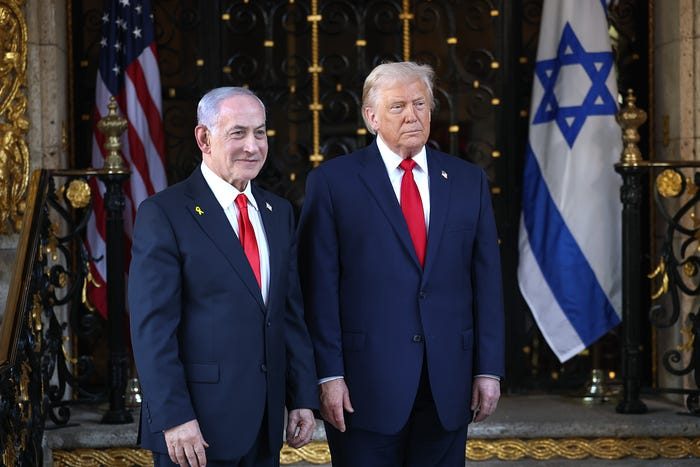
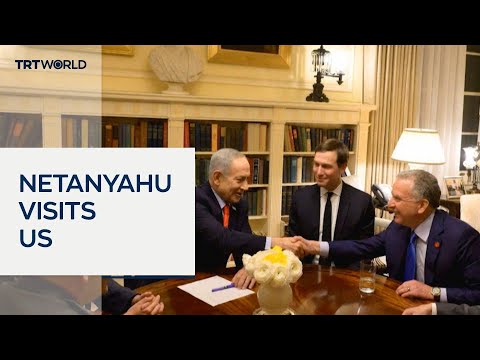
February 11th, 2026: Netanyahu and Trump Meet at White House

Overview

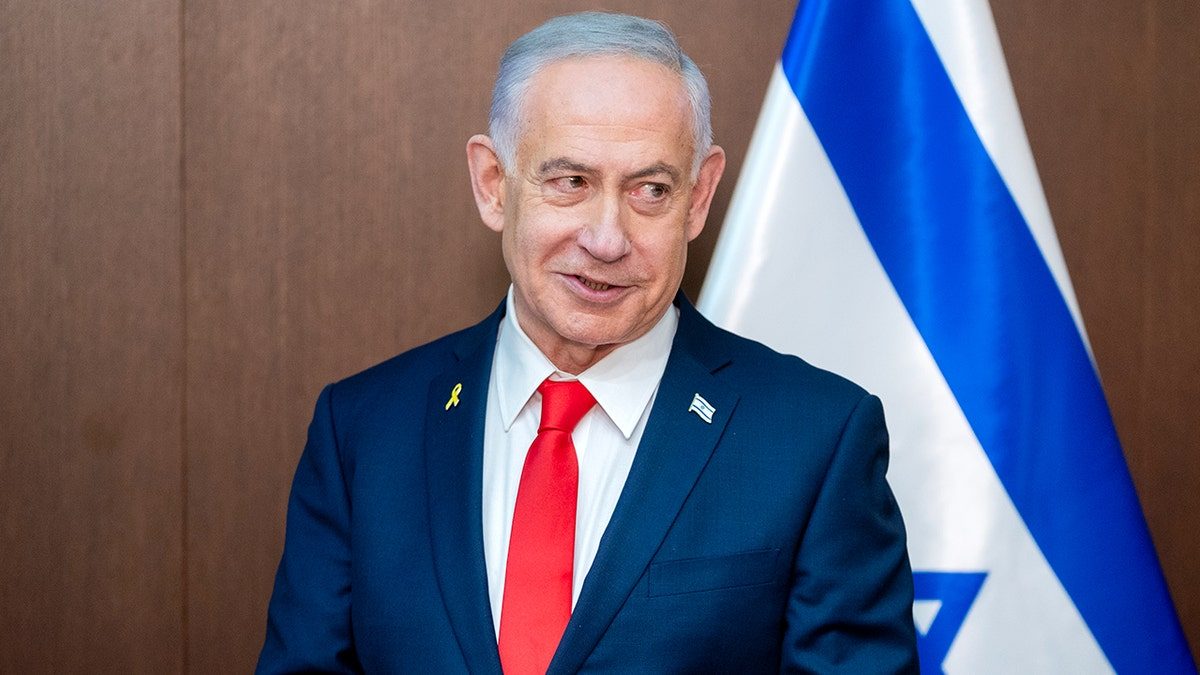
Benjamin Netanyahu flew to Washington this week with a single message: any deal with Iran must go beyond uranium. After three hours in the Oval Office on February 11, President Trump emerged saying 'nothing definitive' was reached—but negotiations would continue. Netanyahu signed onto Trump's Board of Peace initiative and extracted a promise of continued talks, though Iran insists its ballistic missiles remain off the table.

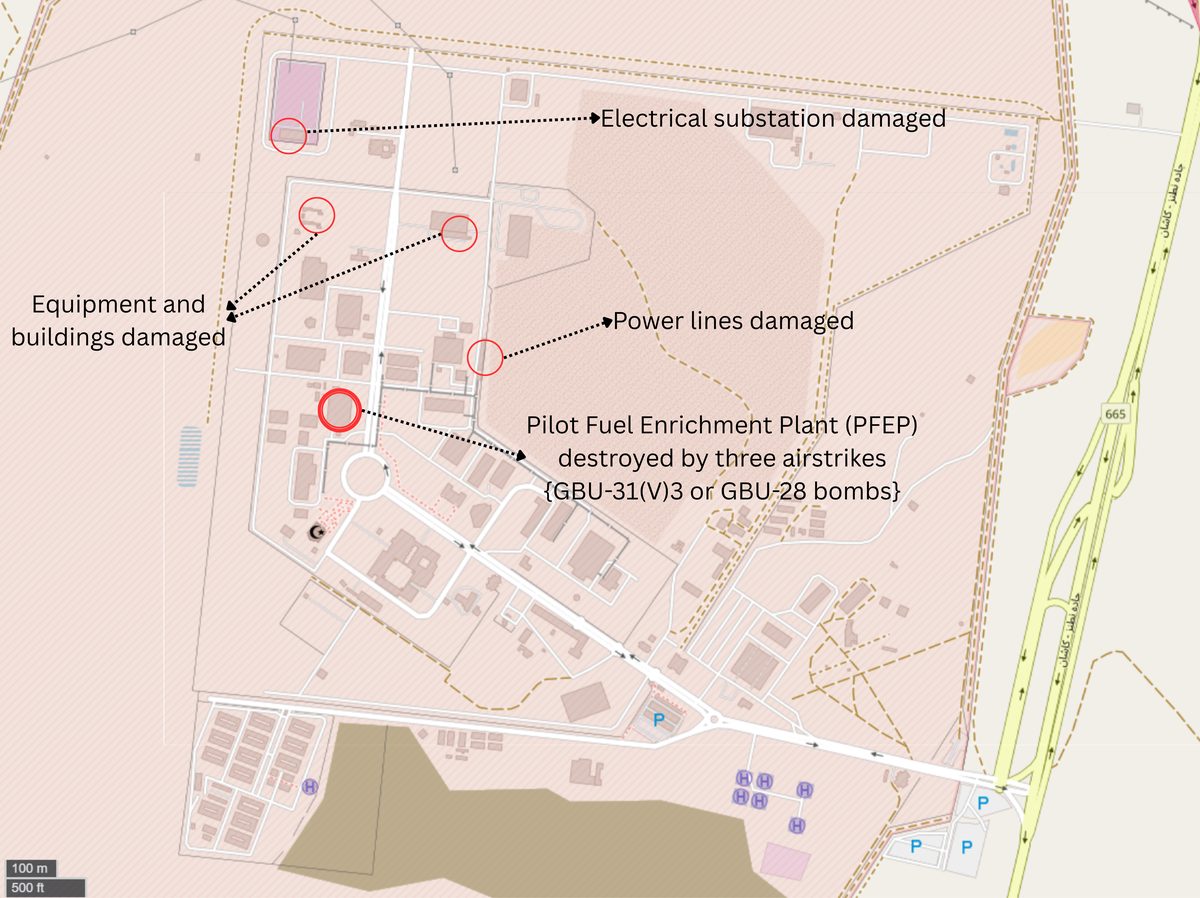
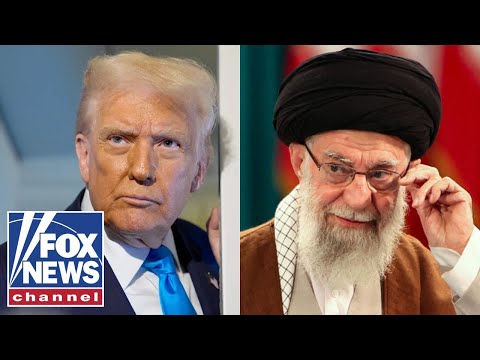
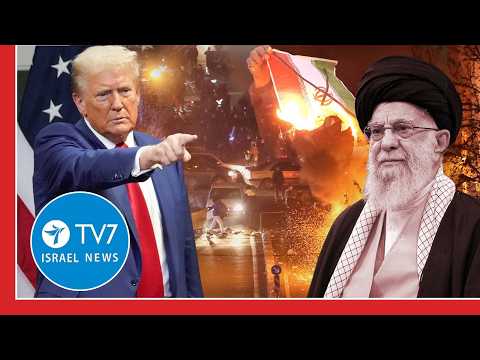
The stakes couldn't be higher. Eight months ago, Israeli jets struck Iran's nuclear facilities, triggering a 12-day war that ended only when American bunker-busters hit Fordow and Natanz. Iran's enrichment program was 'significantly set back,' according to the International Atomic Energy Agency—but Tehran retains the knowledge to rebuild, and its 60%-enriched uranium stockpile puts weapons-grade material potentially one week away. Now, with mass protests destabilizing the Islamic Republic and Trump threatening a second aircraft carrier in the Gulf, both sides are back at the table in Oman.

Key Indicators

1 week
Iran's nuclear breakout time
The Defense Intelligence Agency estimates Iran could produce weapons-grade uranium in under seven days if it chose to do so.
7
Trump-Netanyahu meetings since January 2025
Netanyahu has visited the US more frequently than any other foreign leader since Trump's second term began.
~7,000
Estimated deaths in Iran protests
Human rights organizations documented nearly 7,000 confirmed protester deaths in the regime's crackdown since December 28, 2025.
$76B
Israel's proposed US military aid request
Israel is negotiating a 20-year defense agreement to replace the $38 billion deal expiring in 2028.

Interactive

Exploring all sides of a story is often best achieved with Play.

Ever wondered what historical figures would say about today's headlines?

Sign up to generate historical perspectives on this story.

Sign Up

Debate Arena

Two rounds, two personas, one winner. You set the crossfire.

People Involved

Donald Trump
Donald Trump
President of the United States (Leading negotiations with Iran while managing Israeli alliance)
Benjamin Netanyahu
Benjamin Netanyahu
Prime Minister of Israel (Pressing for expanded Iran deal terms while facing corruption trial at home)
Abbas Araghchi
Abbas Araghchi
Foreign Minister of Iran (Leading nuclear negotiations while defending Iran's red lines)
Steve Witkoff
Steve Witkoff
US Special Envoy for the Middle East (Leading American negotiating team in Iran talks)
Jared Kushner
Jared Kushner
Senior Adviser to the President (Key intermediary in Iran and Gaza negotiations)

Organizations Involved

Board of Peace (BoP)
International Organization
Status: Recently launched, first meeting scheduled February 19

Trump-led international body ostensibly for Gaza reconstruction but with broad mandate for 'resolving global conflict.'

International Atomic Energy Agency (IAEA)
International Organization
Status: Monitoring Iran's nuclear activities post-strikes

The United Nations' nuclear watchdog responsible for verifying Iran's compliance with any nuclear agreements.

Timeline

  1. Netanyahu and Trump Meet at White House

    Diplomacy

    Three-hour meeting produces no agreement on Iran. Netanyahu signs onto Board of Peace. Trump says negotiations will continue and hints at second aircraft carrier deployment.

  2. Israel Expands West Bank Control

    Policy

    Israeli Security Cabinet approves measures expanding administrative control over West Bank, including Palestinian Authority areas. Trump reiterates opposition to annexation.

  3. US-Iran Direct Talks Resume in Muscat

    Diplomacy

    Witkoff and Kushner meet directly with Araghchi—first face-to-face US-Iran talks since the June war. CENTCOM commander attends in uniform.

  4. Trump Launches Board of Peace at Davos

    Diplomacy

    Signing ceremony at World Economic Forum establishes Trump's international peace body. Saudi Arabia, Turkey, Egypt, and Gulf states join; major Western powers decline.

  5. Iran Launches Deadly Crackdown

    Domestic

    Security forces kill thousands of protesters in what observers call 'Iran's Babi Yar.' Internal estimates suggest 30,000 dead in first 48 hours. Internet cut nationwide.

  6. Mass Protests Erupt Across Iran

    Domestic

    Shopkeeper protests over currency collapse spread nationwide, becoming the largest demonstrations since 2022's Woman, Life, Freedom movement.

  7. Israel-Hamas Ceasefire Announced

    Diplomacy

    Trump announces Gaza ceasefire deal signed in Egypt after Netanyahu accepts 20-point peace plan. Hostages to be exchanged for Palestinian prisoners.

  8. 12-Day War Ends with Ceasefire

    Diplomacy

    Trump announces Israel and Iran will end hostilities, concluding the 12-day conflict that began with Israeli surprise strikes.

  9. US Strikes Iran in Operation Midnight Hammer

    Military

    B-2 bombers drop bunker-buster bombs on Fordow, Natanz, and Isfahan nuclear facilities. Tomahawk missiles fired from submarines. Iran reports over 1,000 killed.

  10. Israel Strikes Iranian Nuclear Facilities

    Military

    Israeli Air Force launches five waves of strikes using 200+ jets, targeting Natanz, Fordow, and military installations after Trump's 60-day deadline passes without agreement.

  11. US-Iran Nuclear Talks Begin in Oman

    Diplomacy

    Trump surprises Netanyahu with announcement that US and Iran will begin nuclear negotiations, led by Special Envoy Steve Witkoff and Foreign Minister Abbas Araghchi.

  12. Trump Withdraws US from JCPOA

    Policy

    President Trump announces US withdrawal from the 2015 Iran nuclear deal, calling it 'a giant fiction,' and begins reimposing sanctions.

Scenarios

1

Nuclear-Only Deal Reached, Israel Objects

Discussed by: Bulletin of the Atomic Scientists, Arms Control Association analysts

The US and Iran reach an agreement limited to nuclear issues—caps on enrichment, enhanced monitoring, sanctions relief—but excluding missiles and regional proxies. Iran accepts because it preserves its conventional deterrent; Trump accepts because he can claim a deal. Netanyahu publicly opposes it but cannot prevent implementation. This mirrors the 2015 JCPOA structure that Israel criticized but lived with.

2

Talks Collapse, Military Strikes Resume

Discussed by: Council on Foreign Relations, Washington Institute analysts

Iran's insistence on retaining missiles proves insurmountable. After talks break down, Trump deploys the second carrier he threatened. Israeli intelligence detects rapid enrichment progress, triggering preemptive strikes. Unlike June 2025, Iran—weakened by domestic unrest—struggles to retaliate effectively, but the nuclear program goes further underground.

3

Iranian Regime Change Transforms Negotiations

Discussed by: National security officials speaking to The National, Iranian exile community

The protest movement destabilizes the Islamic Republic beyond recovery. Kushner's reported outreach to Iranian-American business leaders and opposition figures reflects contingency planning for regime transition. If Khamenei's government falls or is severely weakened, negotiations shift from constraining a hostile power to shaping a successor state—a scenario with no modern precedent.

4

Comprehensive Deal Includes Missiles and Proxies

Discussed by: Netanyahu's public statements, Israeli strategic community

Iran, desperate for sanctions relief amid economic collapse and domestic turmoil, accepts broader negotiations covering missiles and regional influence. This is Netanyahu's stated goal and Trump's rhetorical position ('no nuclear weapons, no missiles'). However, it requires Iran to abandon positions it has called 'non-negotiable' and would face fierce opposition from the Islamic Revolutionary Guard Corps.

Historical Context

US Withdrawal from JCPOA (2018)

May 2018

What Happened

President Trump withdrew the United States from the 2015 Iran nuclear deal negotiated by the Obama administration, calling it 'a giant fiction.' He reimposed sanctions that eventually totaled over 1,500 designations—triple the Obama-era level—targeting Iran's oil, banking, and financial sectors.

Outcome

Short Term

Iran's oil revenue collapsed from $42 billion in 2018 to $14 billion in 2019. The currency lost 65% of its value.

Long Term

Rather than returning to negotiations, Iran expanded nuclear activities, enriching uranium to 60%—far beyond the JCPOA's 3.67% limit—and reducing cooperation with international inspectors.

Why It's Relevant Today

Trump's second-term negotiations must grapple with the consequences of his first-term withdrawal: Iran is closer to weapons capability than in 2015, and Tehran's trust in American commitments is fundamentally damaged.

North Korea Nuclear Negotiations (1994-2006)

October 1994 - October 2006

What Happened

The Clinton administration's Agreed Framework froze North Korea's plutonium program in exchange for energy assistance and normalized relations. The deal was only four pages long and left key issues ambiguous. The Bush administration later accused Pyongyang of cheating via a secret uranium program.

Outcome

Short Term

The agreement temporarily halted plutonium production and prevented an estimated 100 nuclear weapons from being built.

Long Term

North Korea withdrew from the Non-Proliferation Treaty in 2003 and tested its first nuclear weapon in 2006. It now possesses an estimated 40-50 warheads.

Why It's Relevant Today

The North Korea experience shows how nuclear agreements can buy time but fail if ambiguities aren't resolved and compliance isn't verified. Iran analysts cite it as both a cautionary tale and a model for what to avoid.

Israeli Strike on Iraq's Osirak Reactor (1981)

June 1981

What Happened

Israeli F-16s destroyed Iraq's Osirak nuclear reactor near Baghdad, killing 10 Iraqi soldiers and one French technician. Prime Minister Menachem Begin justified the strike under what became known as the Begin Doctrine: Israel would not allow adversaries to acquire nuclear weapons.

Outcome

Short Term

The reactor was destroyed. Iraq condemned the attack; the UN Security Council unanimously censured Israel.

Long Term

Iraq accelerated clandestine nuclear efforts, dispersing and hiding facilities. Some analysts argue the strike delayed Iraq's program; others contend it prompted a more determined and harder-to-detect effort.

Why It's Relevant Today

Israel's June 2025 strikes on Iran echo the Begin Doctrine. The Osirak precedent shows that military action can set back timelines but may not eliminate intent or capability—and can drive programs underground.

12 Sources: