
Pull to refresh
Logo
Daily Brief
Following
Why Ranks Sign Up
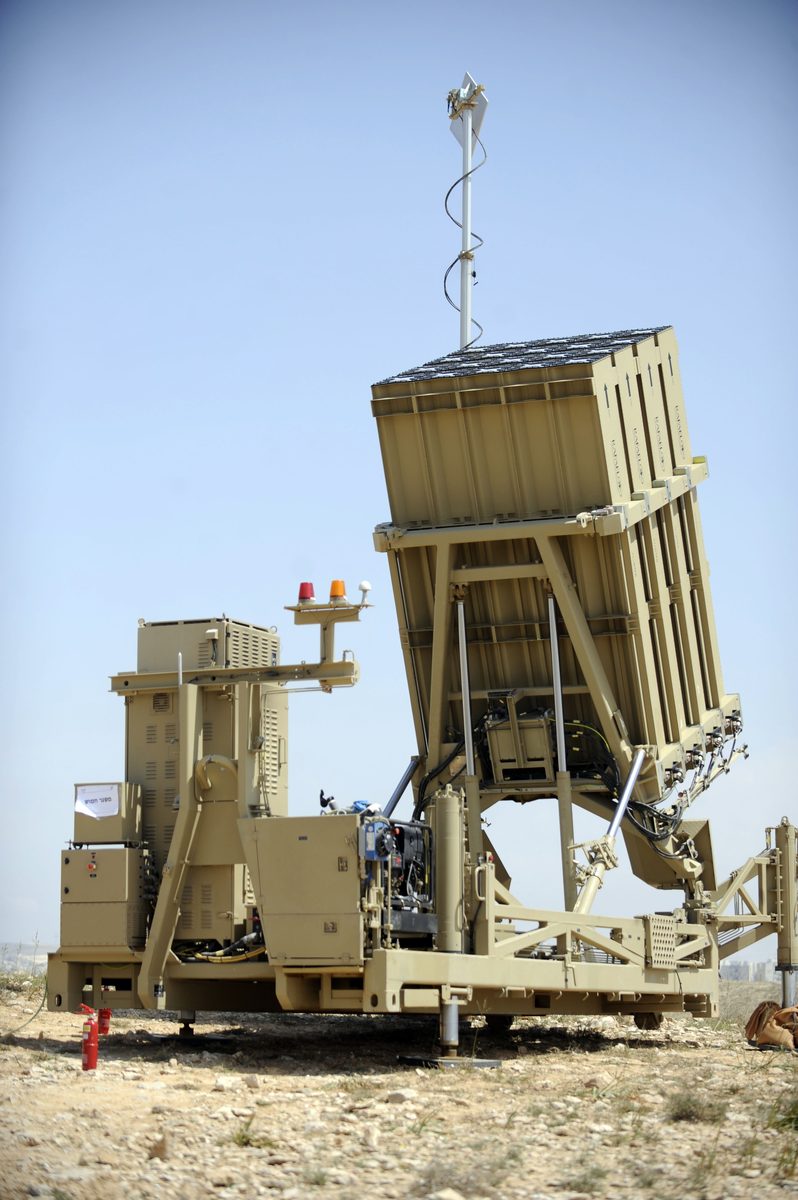
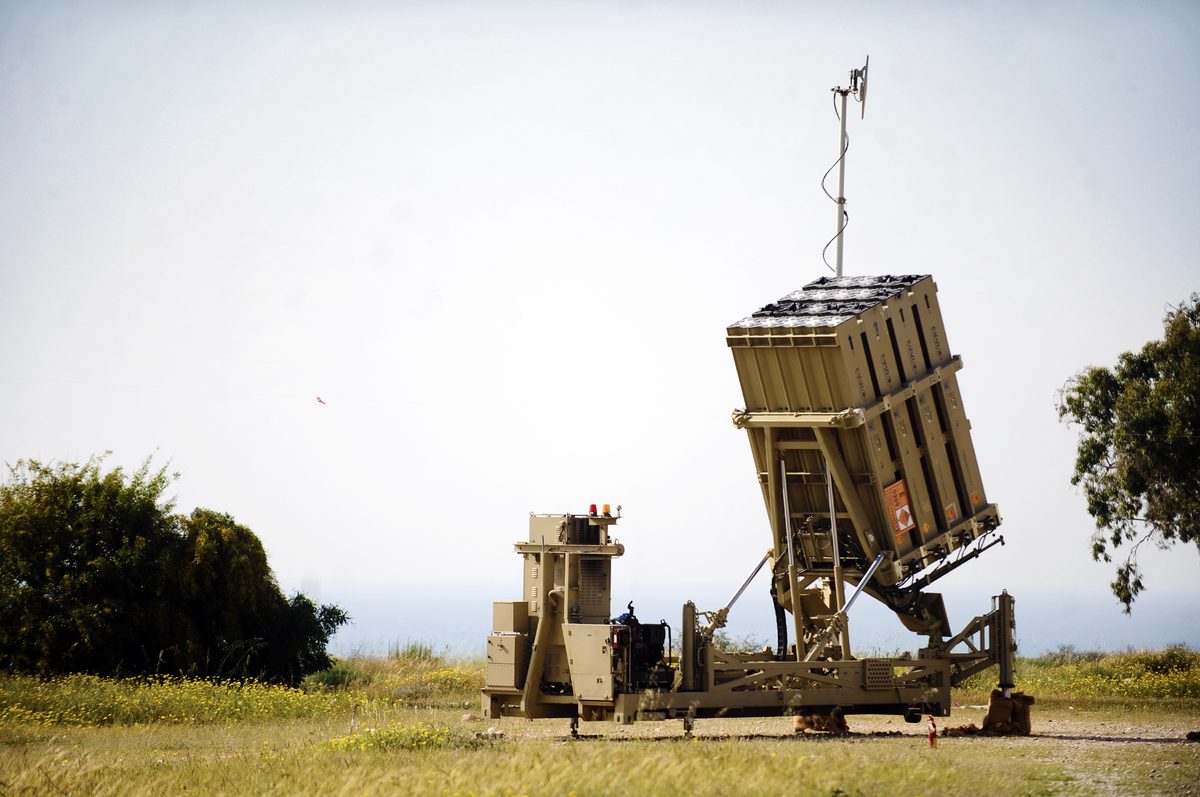
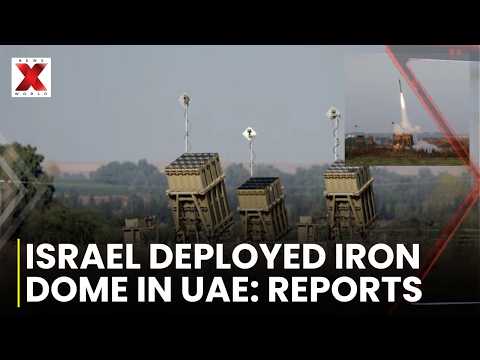
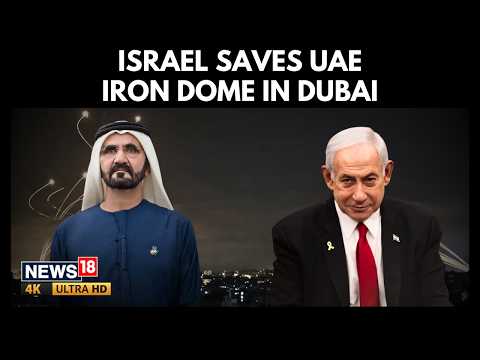
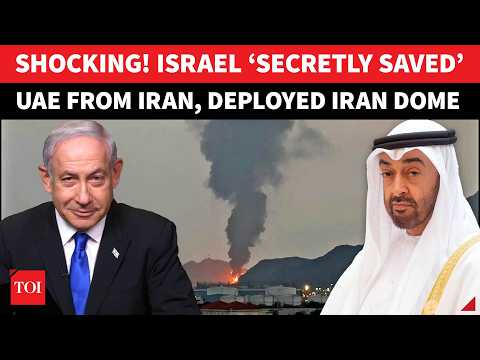
Israel deploys Iron Dome batteries to UAE amid Iran war

Israel deploys Iron Dome batteries to UAE amid Iran war

Force in Play

U.S. ambassadors confirm first publicly acknowledged Israeli military presence in a Gulf Arab state

2 days ago: Huckabee confirms Iron Dome and personnel in UAE

Overview

Israel and the United Arab Emirates kept any military cooperation hidden for decades. Now Israeli soldiers are operating air-defense radars and missile launchers on Emirati soil.

Why it matters

Arab Gulf states can now openly rely on Israeli air defense, an alignment that was diplomatic poison five years ago.

Play on this story Voices Debate Predict

Key Indicators

First
Publicly confirmed Israeli military deployment to a Gulf Arab state
Prior cooperation was always denied or kept covert.
Feb 28
Start of the 2026 Iran war
The conflict that triggered the Israeli battery transfer to the UAE.
#1
UAE rank among Iranian targets in the war
Tehran has hit the Emirates more than any other country.
5.5 yrs
Since the Abraham Accords
Israel and the UAE normalized relations in September 2020.

Interactive

Exploring all sides of a story is often best achieved with Play.

Ever wondered what historical figures would say about today's headlines?

Sign up to generate historical perspectives on this story.

People Involved

Organizations Involved

Timeline

  1. Huckabee confirms Iron Dome and personnel in UAE

    Statement

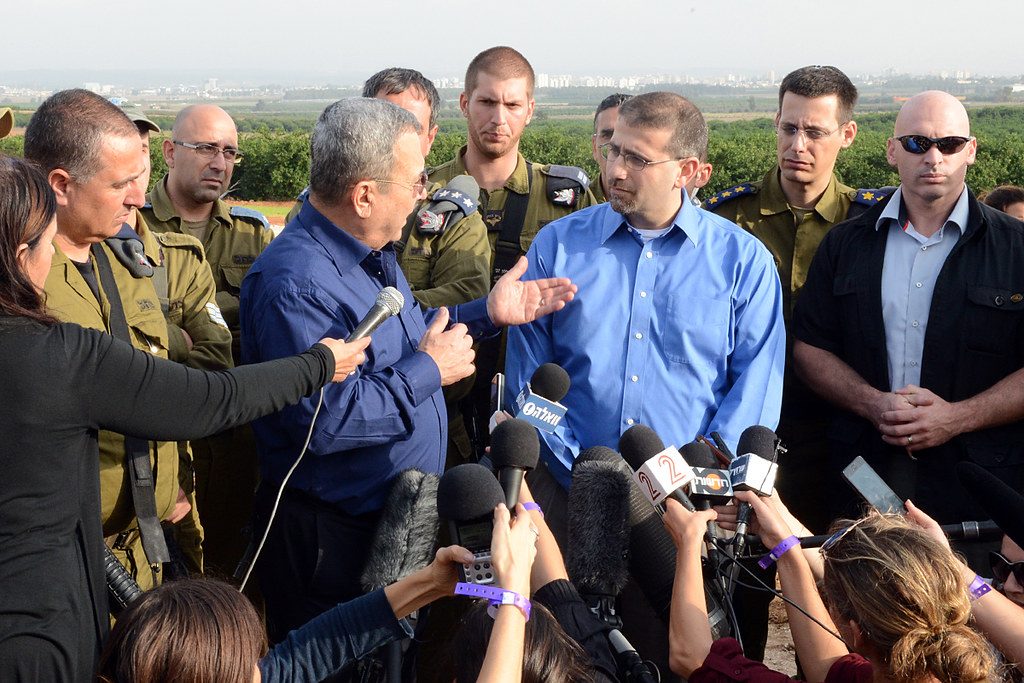
    U.S. Ambassador to Israel Mike Huckabee tells a Tel Aviv conference that Israel sent radars, launchers, and crews to the UAE. The disclosure appears coordinated with Israel and the UAE.

  2. Waltz hints at the deployment

    Statement

    U.S. Ambassador to the UN Mike Waltz makes public remarks suggesting Israeli air-defense help in the UAE.

  3. Iran war begins

    Conflict

    Open warfare breaks out between Iran and a U.S.-Israeli-Gulf coalition. Iranian missile and drone strikes hit the UAE in the opening days.

  4. Abraham Accords signed

    Diplomatic

    Israel and the UAE establish formal diplomatic relations at a White House ceremony, opening a track of commercial and intelligence cooperation.

Scenarios

Predict which scenario wins. Contrarian picks score more — points lock in when the scenario resolves.

Log in to predict. Track your picks, climb the leaderboard. Log in Sign Up
1

Israel and UAE sign a formal defense pact

The public disclosure becomes the cover for codifying the relationship. Israel and the UAE announce a bilateral security agreement covering air defense, intelligence sharing, and basing rights. The pact gives Israeli forces continuing access to UAE territory and pushes other Gulf states to consider their own arrangements.

Resolves by: 2027-05-12
Source: Official statement from Israel's Prime Minister's Office or the UAE Ministry of Foreign Affairs, confirmed by Reuters
Discussed by: Haaretz analysts; regional security writers at the Washington Institute
Consensus
2

Bahrain or Saudi Arabia accepts Israeli air defense

Other Gulf states facing Iranian fire follow the UAE's lead. Bahrain, already host to the U.S. Fifth Fleet, or Saudi Arabia, the largest target after the UAE, accepts a public Israeli air-defense deployment. The Sunni Gulf-Israeli alignment moves from quiet cooperation to declared policy.

Resolves by: 2027-05-12
Source: Official U.S., Israeli, or Gulf state government statement, confirmed by Reuters
Discussed by: Wall Street Journal Gulf correspondents; Brookings Middle East program
Consensus
3

Iran targets Israelis in the UAE

Tehran treats the disclosure as a casus belli. Iran or an affiliated militia carries out a strike aimed specifically at Israeli personnel or batteries on Emirati soil. The attack drags the UAE deeper into the war and tests whether the new Israeli presence is treated as part of UAE air defense or a separate target.

Resolves by: 2026-11-12
Source: Reuters, Associated Press, or Israeli military spokesperson
Discussed by: Institute for the Study of War; Israeli defense analysts
Consensus
4

Israel quietly withdraws once the ceasefire holds

The Iron Dome deployment turns out to be wartime expedience. Once the ceasefire stabilizes, Israel pulls its batteries and crews back home without a follow-on pact. The cooperation remains a one-time event rather than a new security order, and Gulf states return to their preferred posture of quiet alignment.

Resolves by: 2027-05-12
Source: U.S., Israeli, or UAE official statement, confirmed by Reuters
Discussed by: Reuters Middle East analysts; former U.S. CENTCOM officials
Consensus

Historical Context

U.S. Patriot batteries deploy to Israel (1991)

January-February 1991

What Happened

During the Gulf War, Saddam Hussein fired 39 Scud missiles at Israel to draw it into the conflict and break the U.S.-Arab coalition. The U.S. rushed Patriot air-defense batteries with American crews to Israel within days. It was the first time U.S. ground forces deployed combat units on Israeli soil to fight alongside Israel.

Outcome

Short Term

Israel stayed out of the war, the Arab coalition held, and the U.S.-Israel military relationship deepened in public.

Long Term

Foreign air defense on allied soil became a standard tool of U.S. crisis management in the region, and Patriot exports expanded across the Gulf.

Why It's Relevant Today

The current situation runs the same logic in reverse: this time Israel is the supplier, an Arab Gulf state is the host, and the U.S. is the matchmaker.

Abraham Accords signed (2020)

September 2020

What Happened

Israel signed normalization agreements with the UAE and Bahrain on the White House lawn, the first such deals with Arab states in 26 years. The accords covered embassies, trade, and intelligence sharing. They did not include any public military cooperation provisions.

Outcome

Short Term

Direct flights, business deals, and tourism opened within months. Sudan and Morocco followed with their own normalization steps.

Long Term

The accords created the diplomatic cover under which a Gulf state could one day host Israeli troops in public without breaking with its own population.

Why It's Relevant Today

The 2020 normalization is the precondition for the 2026 deployment. Without the Accords, no Gulf government could acknowledge Israeli soldiers on its soil.

Iranian drones and missiles hit Saudi Aramco (2019)

September 2019

What Happened

On September 14, 2019, drones and cruise missiles struck the Abqaiq oil processing facility and the Khurais oil field in Saudi Arabia. The attack briefly cut Saudi oil output by half, the largest single supply disruption in history. U.S. and Saudi officials blamed Iran; Tehran denied direct involvement.

Outcome

Short Term

Oil prices spiked 15 percent in a day. Saudi air defenses, including U.S.-made Patriots, were exposed as unable to stop the swarm.

Long Term

Gulf states began urgent searches for better short-range air defense, with Israeli systems like Iron Dome and the Barak-MX moving up the shopping list.

Why It's Relevant Today

The 2019 attack showed the Gulf is vulnerable to the exact threat profile Iron Dome is built to stop. The 2026 deployment is the answer that 2019 made inevitable.

Sources

(3)