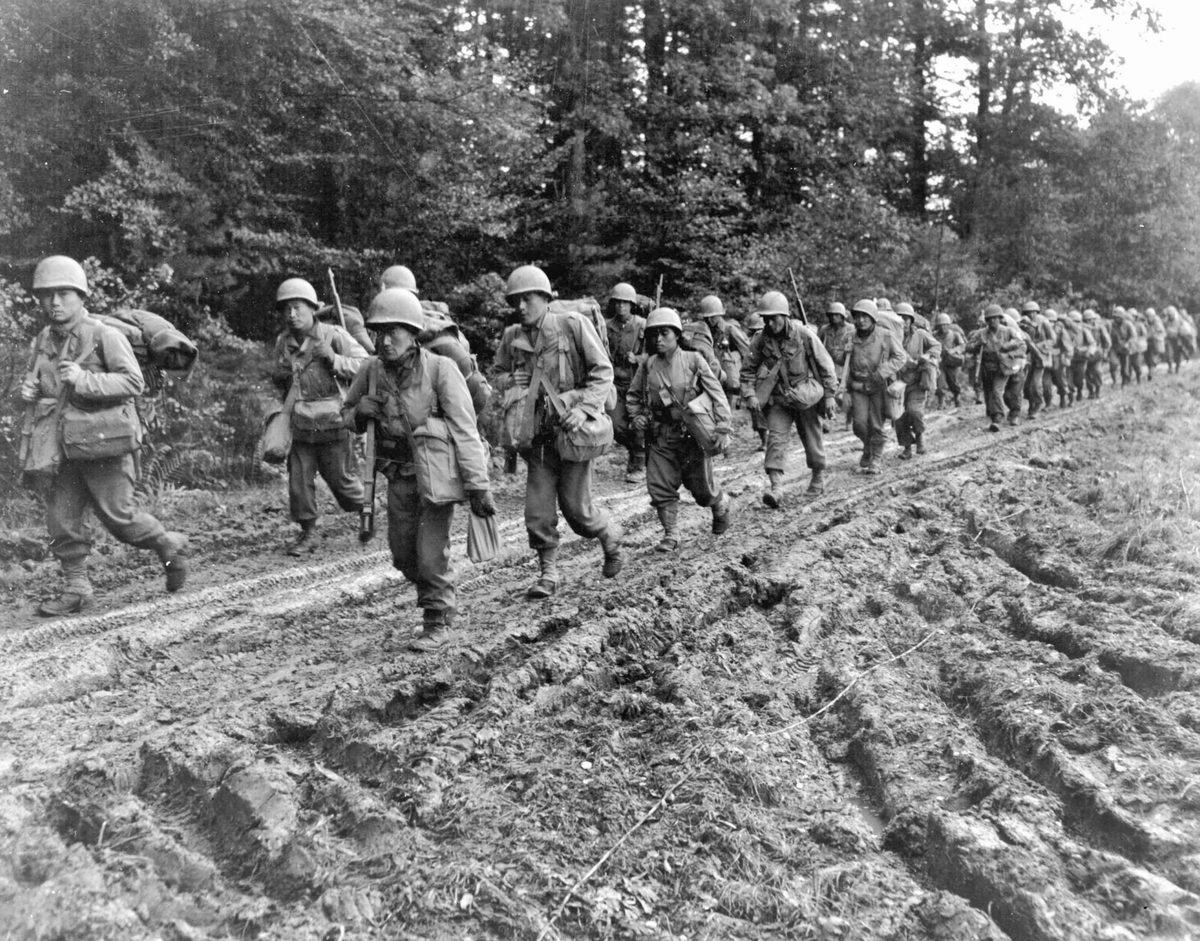
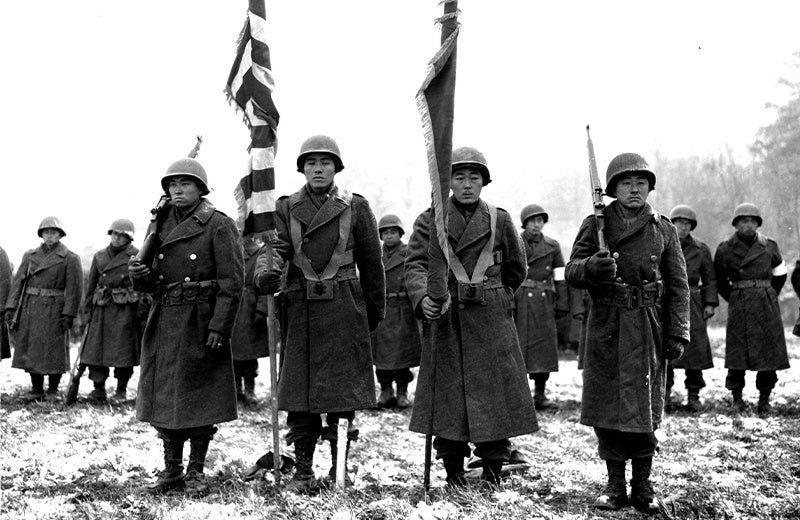
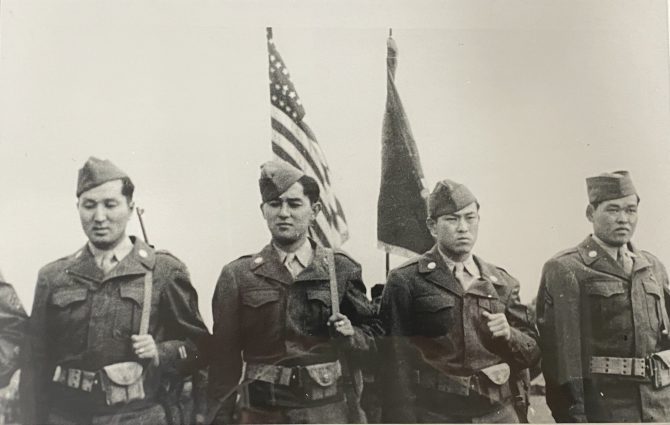
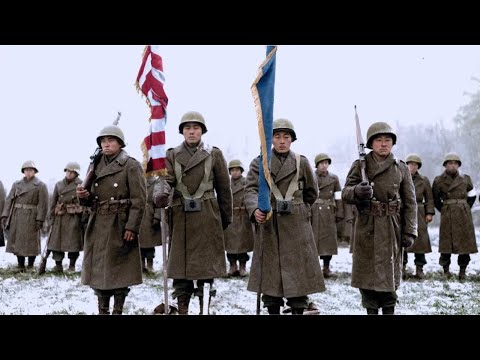
In December 1941, seven University of Hawaii students were weeks away from becoming Army officers when Pearl Harbor was bombed. The U.S. government stripped them of their military status and branded them 'enemy aliens,' but they volunteered anyway, joined the most decorated unit in American military history, and died fighting Nazis in Europe. Eighty years later, the Army finally granted them the rank they would have earned—if not for wartime discrimination against Japanese Americans.
The ceremony in Honolulu marks another milestone in America's slow reckoning with its treatment of 120,000 Japanese Americans during World War II. It follows the 1988 Civil Liberties Act that paid reparations to surviving internees, the 2000 Medal of Honor upgrades for 20 Japanese American soldiers whose heroism had been overlooked due to racism, and the 2011 Congressional Gold Medal for Nisei veterans. Yet each step takes decades, correcting an injustice inflicted in moments.
Questions about this story
Free account needed to ask — your question is kept and asked for you right after sign-up. Answers are public.
No questions yet — be the first to ask.
Key Indicators
7
Soldiers Promoted
University of Hawaii ROTC cadets posthumously commissioned as 2nd lieutenants
21
Medals of Honor
Awarded to members of the 442nd Regimental Combat Team—many upgraded decades after the war
9,486
Purple Hearts
Awarded to the 442nd, the most decorated unit for its size in U.S. military history
82,219
Reparations Paid
Japanese Americans who received $20,000 under the 1988 Civil Liberties Act
Images from Openverse under Creative Commons licenses.
Videos from YouTube.
Voices
Curated perspectives — historical figures and your fellow readers.
Thomas Paine
(1737-1809) ·Revolutionary · politics
Fictional AI pastiche — not real quote.
"How swiftly tyranny brands men as enemies, yet how glacially does justice restore their honor! These brave souls proved what I have long maintained: that loyalty springs not from blood or birthplace, but from devotion to liberty's cause. A government that demands eighty years to acknowledge what conscience should have recognized in an instant reveals itself unworthy of the sacrifice it belatedly honors."
100% found this insightful
Ever wondered what historical figures would say about today's headlines?
Sign up to generate historical perspectives on this story.
19 events
Latest: January 26th, 2026 · 8 months ago
Showing 8 of 19
JK to step
Tap a bar to jump to that date
Jump to
January 2026
Posthumous Commissioning Ceremony
LatestRecognition
Seven Japanese American soldiers promoted to 2nd lieutenant in Honolulu ceremony, 80+ years after their deaths.
Ceremony Held at Ke'ehi Lagoon Memorial State Park
Recognition
Seven soldiers formally commissioned as 2nd lieutenants in ceremony attended by families, military officials, and current ROTC cadets. Featured traditional silver-dollar salute. Rain stopped as ceremony began.
2025
Promotions Approved
Administrative
Army approves posthumous promotions during Trump administration.
Secretary of Army Approves Promotions
Administrative
Secretary of the Army Daniel Driscoll approved posthumous rank upgrades to 2nd lieutenant in fall 2025 after years of advocacy by local veterans groups.
2023
Commissioning Effort Launched
Administrative
Lt. Col. Jerrod Melander begins effort to posthumously commission seven cadets as 2nd lieutenants.
2012
Posthumous Degrees Awarded
Recognition
University of Hawaii awards posthumous degrees to seven ROTC cadets killed in WWII.
November 2011
Congressional Gold Medal Awarded
Recognition
President Obama presents Congressional Gold Medal to Nisei soldiers of 100th Battalion, 442nd RCT, and Military Intelligence Service.
June 2000
Medal of Honor Upgrades
Recognition
President Clinton awards Medal of Honor to 20 Japanese American veterans after review finds racism denied them the honor.
August 1988
Civil Liberties Act Signed
Legal
President Reagan signs law apologizing for internment and granting $20,000 to each surviving internee.
November 1983
Korematsu Conviction Vacated
Legal
Federal court overturns Fred Korematsu's conviction for defying internment, finding government suppressed evidence.
July 1946
Truman Honors 442nd
Recognition
President Truman welcomes unit at White House: 'You fought the enemy abroad and prejudice at home.'
October 1944
'Lost Battalion' Rescue
Military
442nd rescues surrounded Texas unit in Vosges Mountains, suffering casualties several times the number rescued.
June 1944
442nd Enters Combat in Italy
Military
Unit begins European campaign. 100th Infantry Battalion, another Nisei unit, attached as 1st Battalion.
1944
Seven ROTC Cadets Killed in Action
Military
All seven former University of Hawaii ROTC cadets killed fighting in Italy and France.
February 1943
442nd Regimental Combat Team Created
Military
Roosevelt announces formation of all-Nisei combat unit. Seven former ROTC cadets among volunteers.
February 1942
Executive Order 9066 Signed
Legal
President Roosevelt authorizes military to remove 120,000 Japanese Americans from the West Coast to internment camps.
Varsity Victory Volunteers Formed
Military
Dismissed Nisei ROTC cadets form volunteer labor battalion to contribute to war effort.
January 1942
Nisei Dismissed from Territorial Guard
Discrimination
All Japanese Americans dismissed from Hawaii Territorial Guard without explanation and reclassified as 'enemy aliens.'
December 1941
Pearl Harbor Attack
Military
Japan attacks Pearl Harbor. University of Hawaii ROTC cadets mobilized immediately as part of Hawaii Territorial Guard.
Scenarios
1
Full Recognition Achieved for Nisei Veterans
Likely
Discussed by: Japanese American advocacy organizations, military historians
This ceremony joins a decades-long series of corrections that have largely achieved formal recognition for Japanese American WWII service: the 1988 reparations, 2000 Medal of Honor upgrades, 2011 Congressional Gold Medal, and now these posthumous commissions. The primary remaining gaps involve individual soldiers whose cases haven't been reviewed and broader public awareness of this history.
2
Additional Posthumous Reviews Undertaken
Possible
Discussed by: Military historians, veterans' advocacy groups
The commissioning of these seven cadets could prompt review of other Japanese American service members who may have been denied promotions, decorations, or recognition due to wartime discrimination. Similar reviews in 2000 led to 20 Medal of Honor upgrades. The infrastructure for such corrections now exists within the Department of Defense.
3
Recognition Efforts Extend to Other Groups
Possible
Discussed by: Civil rights organizations, military historians studying discrimination
The framework used for Japanese American recognition—systematic review of wartime decisions for evidence of discrimination—could be applied to other groups who faced similar treatment. African American, Native American, and Hispanic soldiers have received some posthumous upgrades, but comprehensive reviews remain incomplete.
Historical Context
3 moments from history that rhyme with this story — and how they unfolded.
1 of 3
1972-2007
Tuskegee Airmen Recognition (1972-2007)
The Tuskegee Airmen were the first African American military pilots, trained at a segregated facility in Alabama beginning in 1941. Despite flying 1,578 missions and earning over 150 Distinguished Flying Crosses, their achievements were systematically overlooked. A 1949 aerial gunnery competition won by Tuskegee pilots was recorded as 'winner unknown' for 46 years.
Then
In 2007, President George W. Bush awarded the Congressional Gold Medal to approximately 300 surviving Tuskegee Airmen.
Now
Their success contributed to President Truman's 1948 executive order desegregating the armed forces. Recognition efforts continue, including a 2022 plaque acknowledging their 1949 Top Gun victory.
Why this matters now
Both groups faced official discrimination while serving their country, and both required decades of advocacy before receiving formal recognition. The Tuskegee Airmen's path—Congressional Gold Medal, individual award upgrades, facility namings—mirrors the 442nd's recognition trajectory.
2 of 3
1990s-2000
442nd Medal of Honor Upgrades (2000)
In the 1990s, Congress directed the Army to review Distinguished Service Cross awards to Asian Americans and African Americans from WWII to determine if racial bias had prevented Medal of Honor awards. The review found that 22 soldiers—including Daniel Inouye—had performed actions worthy of the Medal of Honor but were denied due to racism.
Then
On June 21, 2000, President Clinton awarded the Medal of Honor to 20 Asian American veterans, 19 of them from the 442nd. Only seven were still living.
Now
The upgrade established a precedent that wartime discrimination in military awards could be systematically reviewed and corrected decades later.
Why this matters now
This posthumous commissioning follows the same logic: identifying a specific discriminatory decision (revoking ROTC status), documenting what rank the individuals would have achieved absent discrimination, and formally correcting the record.
3 of 3
1978-1990
Civil Liberties Act Reparations (1988)
Beginning in 1978, Japanese American activists organized a campaign for redress for the 120,000 people forcibly removed from their homes during WWII. A congressional commission held hearings across the country. The resulting Civil Liberties Act, numbered H.R. 442 in honor of the regiment, passed in 1988.
Then
The law apologized for internment, acknowledged it was based on 'race prejudice, war hysteria, and a failure of political leadership,' and authorized $20,000 payments to surviving internees. The first checks were presented in October 1990.
Now
The act paid 82,219 individuals totaling $1.6 billion and established a public education fund. It became a model for other historical reparations discussions.
Why this matters now
The Civil Liberties Act represents the largest-scale formal correction of Japanese American wartime treatment. Today's commissioning ceremony is a continuation of that acknowledgment, addressing a specific institutional wrong—the revocation of ROTC status—rather than the broader internment policy.