
Pull to refresh
Logo
Autonomous flight crosses the US for the first time

Autonomous flight crosses the US for the first time

New Capabilities

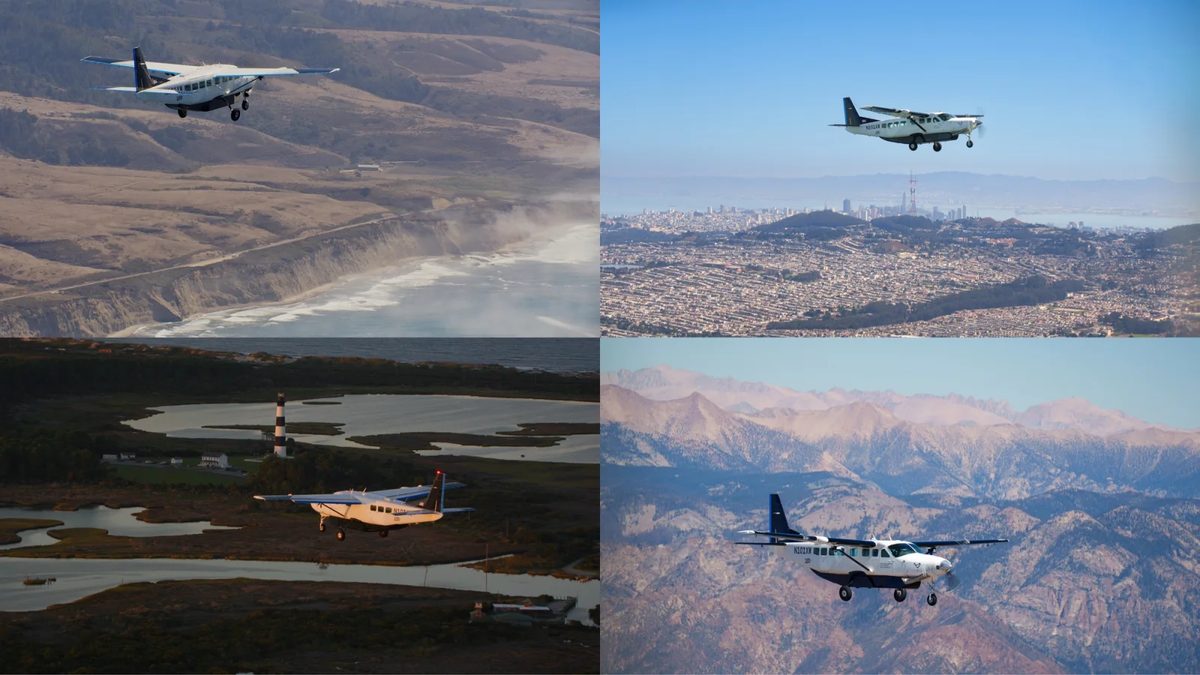
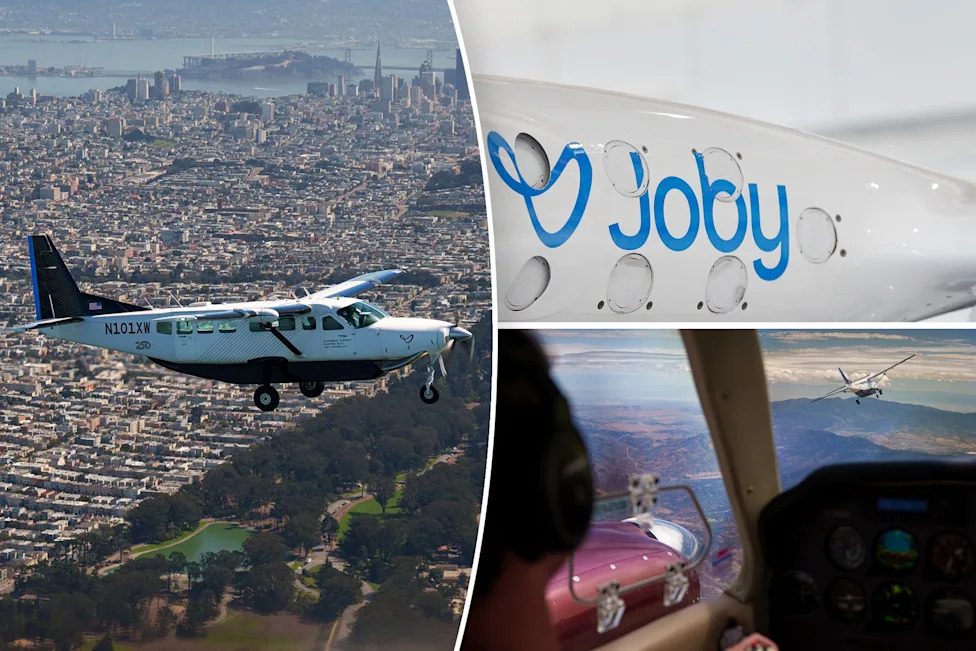
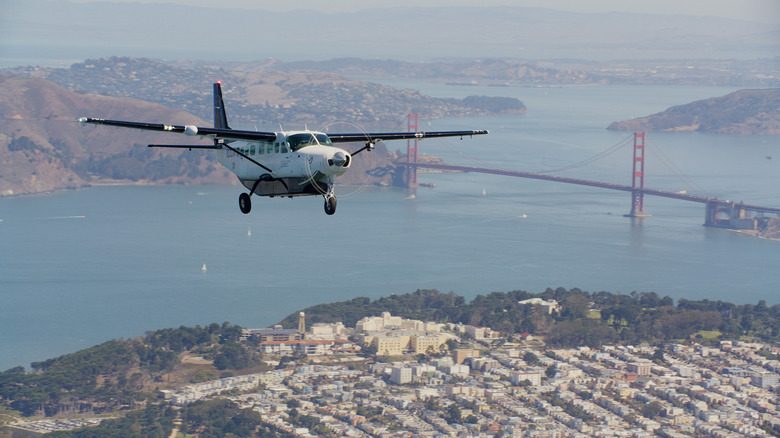
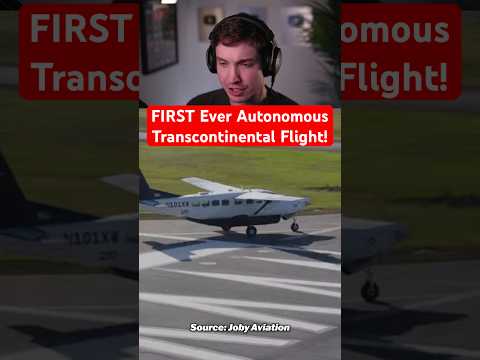
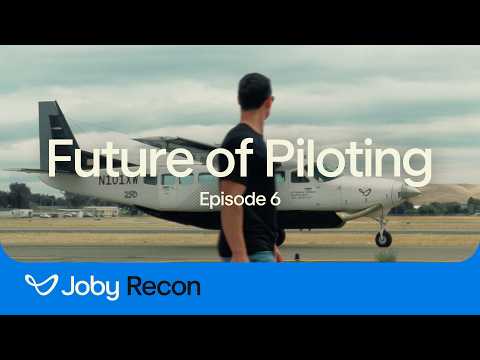
Joby Aviation's converted Cessna flew 3,199 miles with a safety pilot who never touched the controls, landing near Kitty Hawk.

3 days ago: First fully autonomous transcontinental flight lands

Overview

Updated 1 hour ago

A pilot sat in the cockpit of a Cessna Caravan for more than 3,000 miles and never once touched the controls. On September 18, 2026, the converted aircraft completed the first fully autonomous transcontinental flight in U.S. history, landing near the Outer Banks of North Carolina where the Wright brothers made their first powered flight in 1903.

Joby Aviation, best known for developing electric air taxis, is using the flight to push into a second business: autonomous cargo, medical transport, and military logistics. A pilotless aircraft could cut operating costs enough to make same-day freight service economical for small towns that airlines have abandoned.

Why it matters

Autonomous freight could slash operating costs for regional air cargo, making same-day delivery of medical supplies and parts economical for small towns.

Questions about this story

Free account needed to ask — your question is kept and asked for you right after sign-up. Answers are public.

No questions yet — be the first to ask.

Key Indicators

3,199 mi (5,148 km)
Distance flown autonomously
From Buchanan Field in Concord, California to Dare County Regional Airport in North Carolina.
2,323 mi (3,738 km)
Max remote supervision distance
Ground teams oversaw the flight from California and Shaw Air Force Base in South Carolina.
800+
Automated flight hours logged
Across more than 400 flights in controlled and uncontrolled airspace.
$17M
U.S. Air Force contract
AFWERX contract supports bringing an autonomous regional airframe to market.
$500M
Resonant Sciences acquisition
Joby bought the defense sensor maker in August 2026 to build a dedicated defense business.

Voices

Curated perspectives — historical figures and your fellow readers.

Ever wondered what historical figures would say about today's headlines?

Sign up to generate historical perspectives on this story.

People Involved

Organizations Involved

Timeline

January 2024 September 2026

4 events Latest: 3 days ago
Tap a bar to jump to that date
  1. First fully autonomous transcontinental flight lands

    Latest Milestone

    Joby's converted Cessna Caravan flew 3,199 miles from California to North Carolina with zero control inputs from the onboard safety pilot.

  2. Joby buys Resonant Sciences for $500 million

    Acquisition

    The Ohio-based sensor maker became part of a dedicated Joby defense business alongside its autonomy work.

  3. Joby and L3Harris explore autonomous hybrid VTOL

    Partnership

    The two companies agreed to study a gas-turbine hybrid vertical takeoff and landing aircraft for defense use.

  4. Joby acquires Xwing's autonomy stack

    Acquisition

    Joby folded Xwing's proven autonomous flight software into its own program, providing the foundation for later tests.

Scenarios

1

Joby launches commercial autonomous cargo service

Possible Resolves by End of 2028

Discussed by: TechCrunch and other outlets note Joby's stated plan to bring a regional airframe with the autonomy stack to market for freight and defense missions.

Joby now operates under an FAA Experimental Airworthiness Certificate for the converted Cessna. If the FAA certifies autonomous cargo operations, the J208 system or a successor could start hauling freight commercially, beginning the path from test aircraft to revenue service.

2

Pentagon expands autonomous logistics to active duty

Likely Resolves by End of 2027

Discussed by: Air Force exercises, the $17 million AFWERX contract, and the L3Harris agreement signal growing military interest.

Joby's autonomy stack has already flown in three major U.S. military exercises, including operating Hawaii-based aircraft from Guam. A production contract for autonomous logistics would move the technology from exercises into real deployment, giving the military pilotless cargo and medical evacuation capability.

3

Autonomous passenger air taxi remains years away

Likely Resolves by End of 2030

Discussed by: Karmactive and other outlets note that passenger flights depend on separate FAA certification for autonomous aircraft, which has not begun.

Joby's core eVTOL business still requires type certification for piloted passenger service, a separate and longer path than the experimental Cessna. Autonomous passenger flights face regulatory hurdles the FAA has not yet addressed, so pilotless taxis are unlikely before the early 2030s.

Historical Context

3 moments from history that rhyme with this story — and how they unfolded.

December 1903

Wright brothers' first powered flight (1903)

On December 17, 1903, Orville and Wilbur Wright flew the Flyer four times at Kitty Hawk, North Carolina. The longest flight covered 852 feet and lasted 59 seconds, the first time a heavier-than-air machine carried a person under its own power.

Then

The flights proved powered, controlled flight was possible, launching the age of aviation.

Now

Within a decade aircraft went from a 59-second hop to cross-country machines; Kitty Hawk became the symbolic birthplace of aviation.

Why this matters now

Joby's aircraft finished its 3,199-mile journey near the same dunes and flew a low pass over the Wright Brothers National Memorial, closing the arc from a 59-second powered hop to a pilotless transcontinental flight.

September–November 1911

Calbraith Rodgers' first US transcontinental flight (1911)

Calbraith Rodgers flew a Wright EX biplane from New York to California in 49 days, making dozens of stops and crashing or force-landing so often that almost none of the original aircraft survived.

Then

Rodgers proved a coast-to-coast flight was possible at all, though he barely survived it.

Now

It set the template for long-distance aviation, which spent the next century shrinking cross-country travel from 49 days to hours.

Why this matters now

The first US transcontinental flight took 49 days and many crashes. Joby's autonomous aircraft crossed the same country with zero manual control inputs, a measure of how far uncrewed aviation has come.

October 2016

Zipline's autonomous drone deliveries in Rwanda (2016)

Zipline began delivering blood and medical supplies by fixed-wing drone to hospitals in Rwanda, flying beyond visual line of sight over national territory.

Then

The service cut delivery times from hours to minutes and expanded to other countries, proving autonomous logistics could work under regulation.

Now

It showed regulators and the public that pilotless aircraft could carry cargo safely, laying groundwork for larger autonomous freight operations.

Why this matters now

Joby's cross-country flight extends the same logic from small medical drones to full-size turboprop aircraft, applying autonomy to heavy freight and defense logistics.

Sources

(11)