
Pull to refresh
Logo
Northrop Grumman's Talon Blue completes first fully autonomous flight

Northrop Grumman's Talon Blue completes first fully autonomous flight

New Capabilities

Company-funded drone aims for Air Force's next CCA round after losing first contract

Today: Talon Blue completes first fully autonomous flight

Overview

Updated 1 hour ago

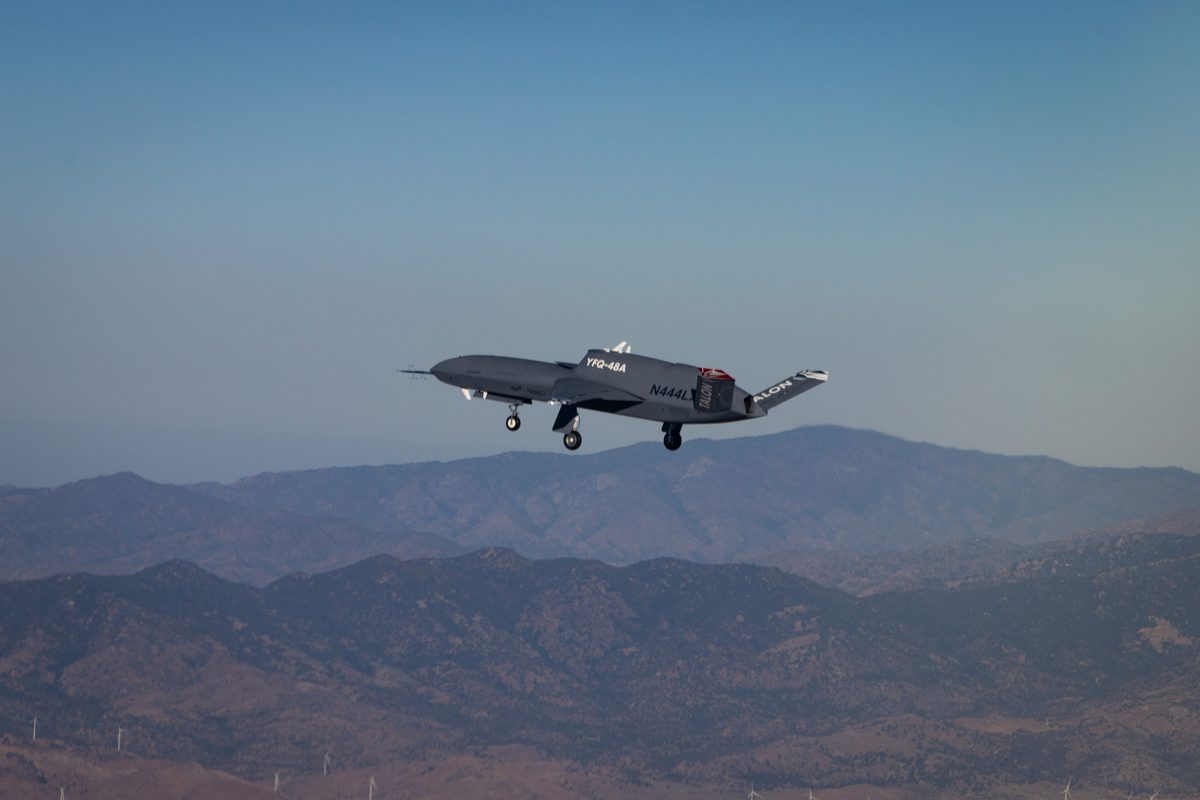
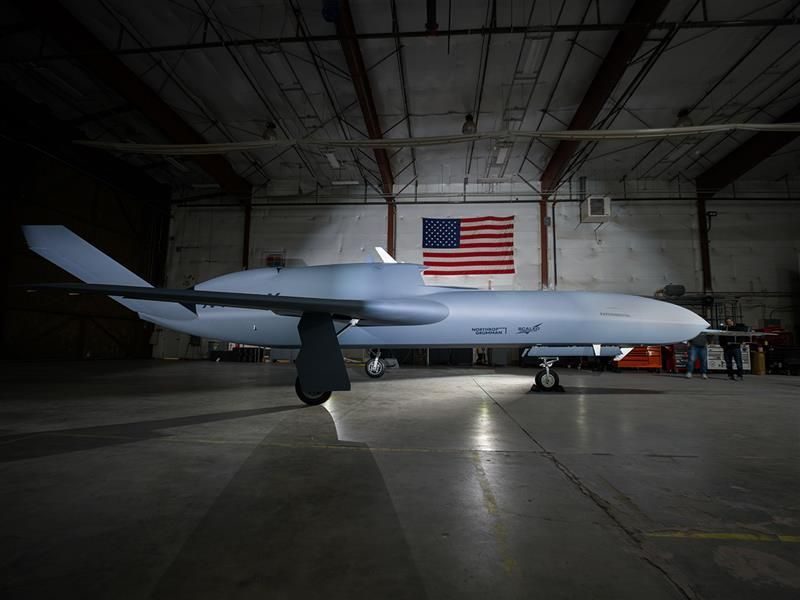
Northrop Grumman's YFQ-48A Talon Blue flew itself on October 3 - taxiing, taking off, maneuvering, and landing with no pilot in the loop. The company-funded drone is Northrop's answer to losing the Air Force's first Collaborative Combat Aircraft (CCA) contract round.

Talon Blue is a bet that Northrop can mature an autonomous combat drone on its own money and win the next round of Air Force procurement. The flight moves the aircraft from ground testing into airborne autonomy demonstrations. It doesn't guarantee a production order.

Why it matters

If Talon Blue wins a future Air Force contract, it changes who builds America's next generation of combat drones - and how they're developed.

Questions about this story

Free account needed to ask — your question is kept and asked for you right after sign-up. Answers are public.

No questions yet — be the first to ask.

Key Indicators

500,000+
Northrop autonomous flight hours
Total uncrewed operational flight experience across Northrop programs.
50%
Fewer parts vs original design
Talon Blue uses half the parts of Northrop's failed Increment 1 design.
1,000 lb
Weight reduction
Talon Blue is 1,000 lb lighter than the original Increment 1 submission.
2
CCA Increment 1 winners
General Atomics and Anduril won the first CCA production contracts; Northrop did not.

Voices

Curated perspectives — historical figures and your fellow readers.

Ever wondered what historical figures would say about today's headlines?

Sign up to generate historical perspectives on this story.

People Involved

Organizations Involved

Timeline

December 2025 October 2026

4 events Latest: Today
Tap a bar to jump to that date
  1. Talon Blue completes first fully autonomous flight

    Today Flight Test

    YFQ-48A completes first fully autonomous flight including taxi, takeoff, maneuvers, and landing.

  2. Air Force awards CCA Increment 1 to General Atomics and Anduril

    Contract Award

    Air Force awards Increment 1 contracts to General Atomics and Anduril; Northrop not selected.

  3. Talon Blue completes autonomous taxi tests

    Test

    Aircraft completes autonomous taxi tests at Scaled Composites, validating ground control without pilot input.

  4. Air Force designates Talon prototype as YFQ-48A

    Designation

    Air Force designates Northrop's Talon prototype as YFQ-48A, a semi-autonomous CCA contender.

Scenarios

1

Talon Blue wins CCA Increment 2 contract

Possible Resolves by Q2 2028

Discussed by: TheDefenseWatch, industry analysts

Northrop's company-funded maturation pays off when the Air Force selects Talon Blue for Increment 2 production. The autonomous flight data, modular manufacturing approach, and lower part count give Northrop a competitive edge over the Increment 1 winners. The Air Force's stated interest in multiple vendors for CCA supports this path.

2

Talon Blue remains a demonstrator without production order

Possible Resolves by Q2 2028

Discussed by: TheDefenseWatch

The aircraft continues flight testing and informs future autonomous systems, but the Air Force selects other vendors for Increment 2. Talon Blue becomes a technology demonstrator rather than a production aircraft. Northrop's investment still yields data and software that could feed other programs.

3

Talon Blue finds buyers outside the CCA program

Unlikely Resolves by End of 2028

Discussed by: Northrop Grumman investor materials

International partners or other U.S. programs adopt Talon Blue even if the Air Force CCA Increment 2 doesn't select it. The modular design, lower cost, and autonomous capabilities appeal to allied air forces seeking autonomous wingmen. Northrop has stated the aircraft is designed for U.S. and allied partners.

Historical Context

3 moments from history that rhyme with this story — and how they unfolded.

2011-2015

X-47B UCAS-D (2011-2015)

Northrop's X-47B became the first unmanned aircraft to land on an aircraft carrier in 2013. The Navy's Unmanned Carrier-Launched Airborne Surveillance and Strike program was later restructured, and Northrop never received a production contract for the aircraft.

Then

The X-47B proved autonomous carrier operations were possible, but the program ended without a production order.

Now

Northrop demonstrated carrier-based autonomy at sea, but the Navy moved to a different acquisition approach with new vendors.

Why this matters now

Like the X-47B, Talon Blue proves autonomous flight is technically possible. The hard part is converting a demonstration into a production contract.

1990-1991

YF-23 vs YF-22 (1990-1991)

Northrop's YF-23 competed against Lockheed's YF-22 in the Advanced Tactical Fighter competition. The YF-23 was widely considered stealthier and faster, but the Air Force selected the YF-22, which became the F-22 Raptor.

Then

Northrop lost the Advanced Tactical Fighter program, one of the largest fighter competitions of the era.

Now

Northrop exited the crewed fighter business and focused on bombers, stealth technology, and unmanned systems.

Why this matters now

Northrop has a history of strong designs losing major Air Force competitions. Talon Blue faces a similar test in the CCA program.

1996-2001

Boeing X-32 vs X-35 (2001)

Boeing's X-32 lost the Joint Strike Fighter competition to Lockheed's X-35. Boeing had invested heavily in the X-32 concept, but the design was judged inferior on key performance metrics including STOVL capability.

Then

Lockheed won the largest fighter contract in history, worth hundreds of billions over its lifetime.

Now

Boeing's fighter ambitions were set back for decades, and the company shifted focus to other programs.

Why this matters now

Losing a major competition doesn't end a company's ambitions, but it often forces a strategic pivot. Northrop is using company funds to stay relevant in the CCA race.

Sources

(7)