
Pull to refresh
Logo
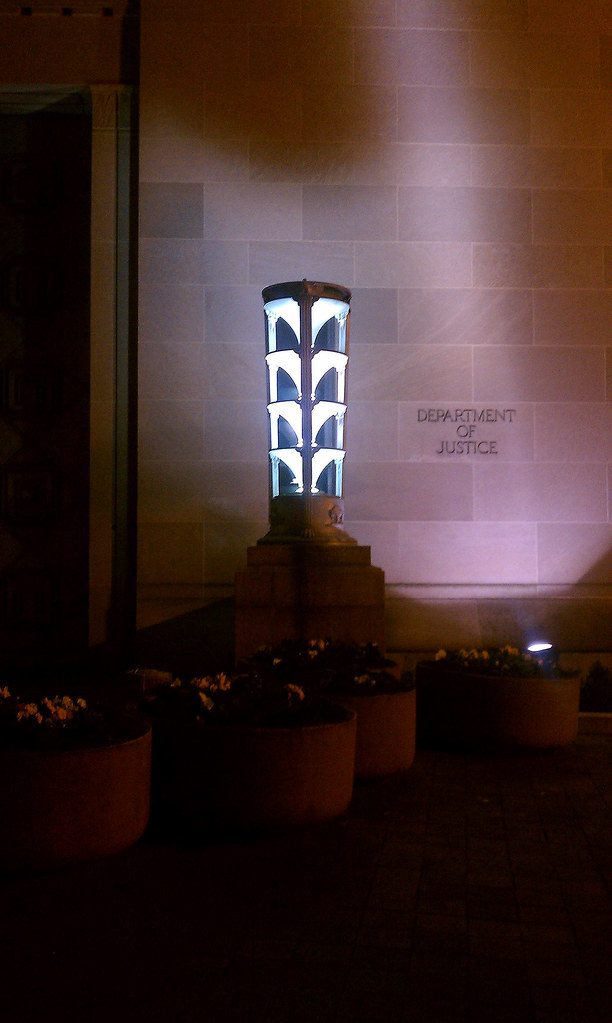
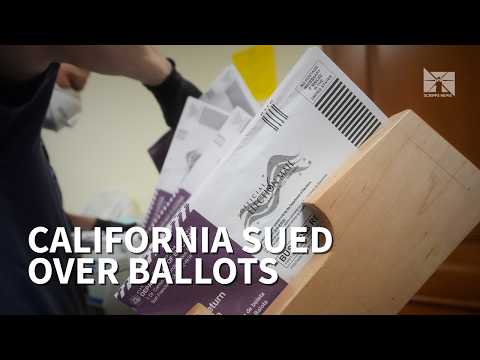
Justice Department sues California over alleged noncitizen mail-in ballots

Justice Department sues California over alleged noncitizen mail-in ballots

Rule Changes

Federal government seeks to block counting of ballots from 20,000 voters until citizenship is verified

Today: Common Cause challenges DOJ lawsuit

Overview

Updated 1 hour ago

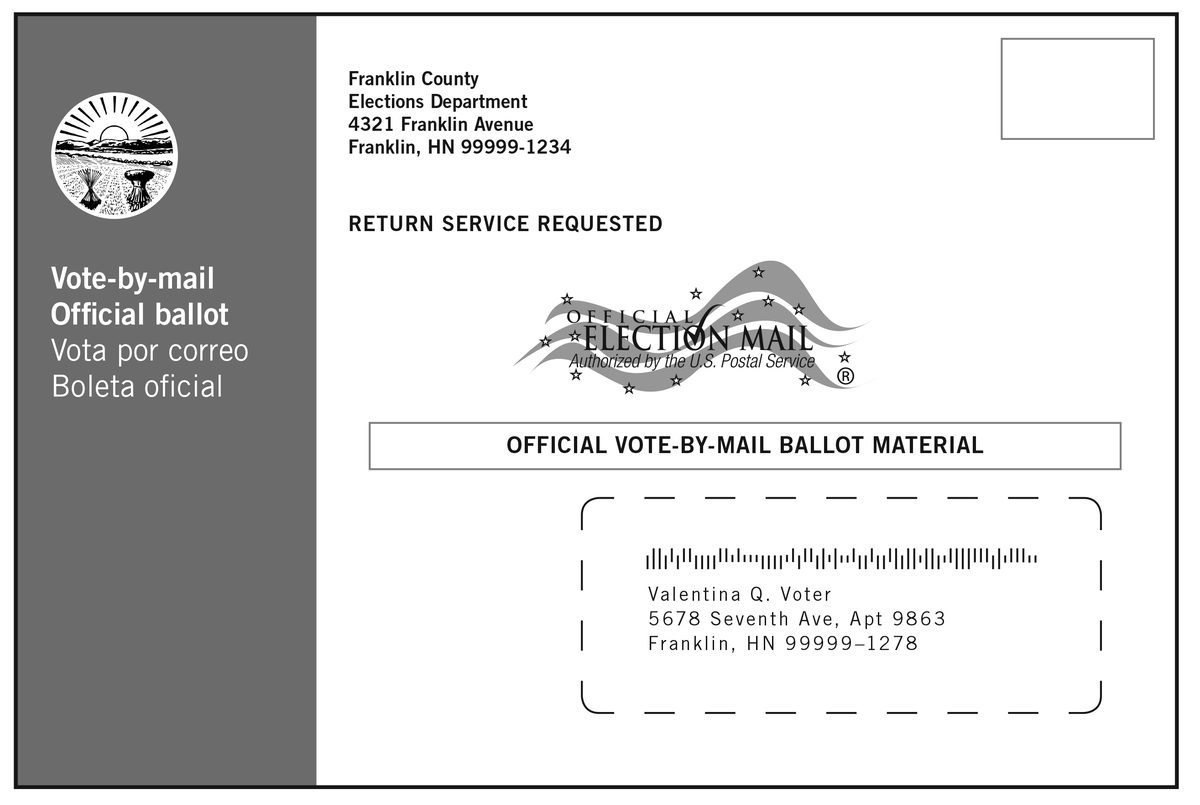
The Department of Justice sued California on October 15, asking a federal judge to block the state from counting mail-in ballots from more than 20,000 registered voters the federal government says are "likely noncitizens." California officials had refused to act on a 48-hour deadline to review a thumb drive with the names.

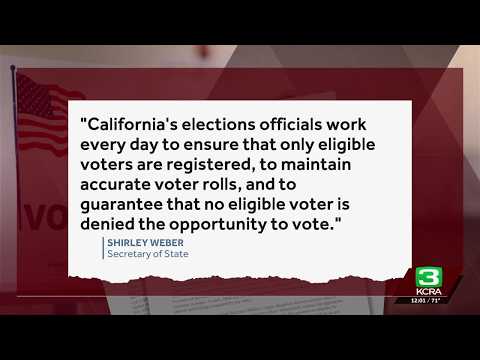
California's secretary of state called the federal government's list unfounded. Voting rights group Common Cause says the lawsuit may violate a court order barring the administration from unilaterally shaping state voter rolls. The election is November 3.

Why it matters

Granting the injunction would force California to set aside ballots from 20,000 voters until citizenship is verified, potentially disenfranchising eligible voters.

Questions about this story

Free account needed to ask — your question is kept and asked for you right after sign-up. Answers are public.

No questions yet — be the first to ask.

Key Indicators

20,000+
Voters flagged as likely noncitizens
The DOJ identified more than 20,000 registered voters in California it says are likely noncitizens.
48 hours
Deadline given to California
The DOJ gave California election officials 48 hours to review the list of alleged noncitizen voters.
18 days
Days until the November 3 election
The lawsuit was reported 18 days before the midterm election.

Voices

Curated perspectives — historical figures and your fellow readers.

Ever wondered what historical figures would say about today's headlines?

Sign up to generate historical perspectives on this story.

People Involved

Organizations Involved

Timeline

3 events Latest: Today

Scenarios

1

Court grants injunction, California must set aside ballots

Possible Resolves by Nov 3, 2026

Discussed by: The DOJ is seeking this outcome. The Trump administration has argued in other cases that federal law requires states to remove noncitizens from voter rolls.

The judge grants the DOJ's request for a preliminary injunction, an order that takes effect before trial. California must set aside ballots from the 20,000 voters until their citizenship is verified. Eligible voters who were wrongly flagged could lose their vote.

2

Court denies injunction, California counts ballots

Likely Resolves by Nov 3, 2026

Discussed by: Rick Hasen and other election law experts have expressed skepticism about the DOJ's legal authority. Common Cause says the lawsuit may violate a prior court order.

The judge denies the DOJ's request for a preliminary injunction. California counts all mail-in ballots as normal. The case may continue after the election, but the November 3 vote proceeds without disruption.

3

Case dismissed or becomes moot after election

Possible Resolves by Dec 1, 2026

Discussed by: Common Cause and other voting rights groups have raised procedural concerns about the lawsuit.

The case is dismissed on procedural grounds, or the election happens and the case becomes moot. The DOJ's broader effort to shape state voter rolls continues in other forums.

Historical Context

3 moments from history that rhyme with this story — and how they unfolded.

December 2000

Bush v. Gore (2000)

The Supreme Court halted a manual recount of Florida ballots, effectively deciding the 2000 presidential election for George W. Bush. The Court ruled 5-4 that the recount violated the Equal Protection Clause.

Then

Bush won Florida's 25 electoral votes and the presidency.

Now

Established that federal courts can intervene in state election administration, though the Court said its decision was limited to the facts of that case.

Why this matters now

Shows the precedent for federal courts intervening in state election processes, though such intervention remains rare and controversial.

2018

Georgia voter roll purges (2018)

Georgia Secretary of State Brian Kemp, running for governor, removed hundreds of thousands of voters from the rolls before the 2018 election. A federal judge later ruled the purge violated federal law.

Then

Kemp won the governorship, but the purge drew national scrutiny.

Now

Highlighted how voter roll maintenance can disenfranchise eligible voters, particularly minorities.

Why this matters now

Shows the stakes of voter roll maintenance and the risk of disenfranchising eligible voters.

November-December 2020

2020 election challenges

Trump and his allies filed dozens of lawsuits challenging election procedures and results in battleground states. Nearly all were dismissed for lack of evidence.

Then

Courts rejected the challenges, and Biden was certified as the winner.

Now

Set a pattern of election litigation that continues to shape election law.

Why this matters now

Shows the pattern of challenging election administration through the courts, though this case is pre-election rather than post-election.

Sources

(10)