




Pull to refresh
Logo
Federal Court lets youth climate case against Canada proceed to full hearing

Federal Court lets youth climate case against Canada proceed to full hearing

Rule Changes

Ruling rejects government's attempt to strike lawsuit over weakened 2030 emissions plan

Today: Ruling announced; parties respond publicly

Overview

Updated 48 minutes ago

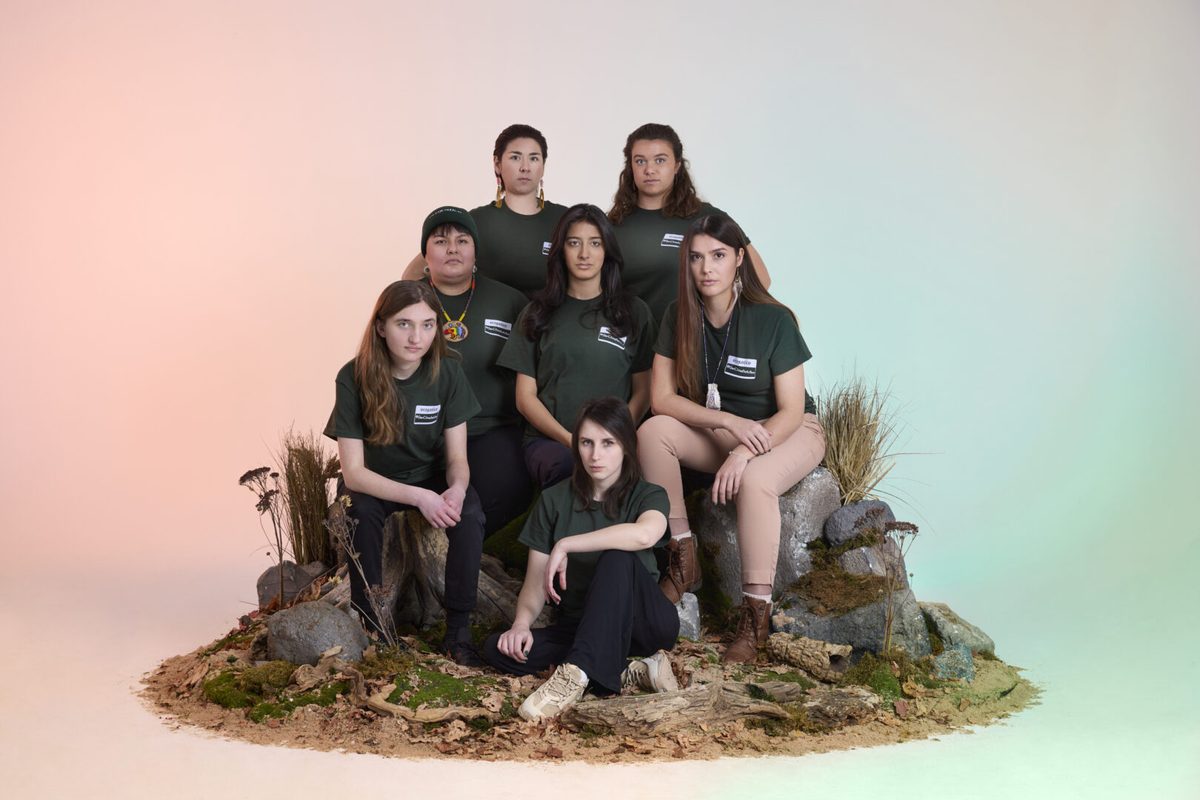
Three Canadian youth activists and two health-and-environment groups sued the federal government in June for gutting the policies behind its 2030 emissions plan without writing a replacement. On September 18, the Federal Court refused to strike the case down, clearing the way for a full hearing on whether Ottawa breached its own climate law.

Canada's Net-Zero Emissions Accountability Act requires the government to set a 2030 target of 40-45% below 2005 levels and publish a plan describing the specific measures it intends to take to reach it. The applicants argue that after federal rollbacks of oil-and-gas pollution caps, vehicle emissions rules, and carbon pricing, the 2025 plan no longer describes measures the government actually intends to take. Leaving it unamended, they say, lets Ottawa dodge legal duties to consult and re-verify targets.

Why it matters

If the court orders a new 2030 plan, Canada's climate targets gain a legal floor — Ottawa can't shelve policies without publishing a credible replacement.

Questions about this story

Free account needed to ask — your question is kept and asked for you right after sign-up. Answers are public.

No questions yet — be the first to ask.

Key Indicators

40-45% below 2005 levels
Canada's 2030 emissions target
Legal target under the Canadian Net-Zero Emissions Accountability Act.
21-28%
Projected 2030 emissions reduction under current plans
Government reporting shows announced policies fall short of the legal target.
90-140 million tonnes
Projected 2030 emissions gap
Shortfall between current projections and the 40-45% target.
45 days
Deadline for government's evidence
Court gave Canada 45 days to serve affidavits after the September 18 ruling.
3
Youth applicants
Sophia Mathur, Marie Maltais, and Shirley Barnea.

Voices

Curated perspectives — historical figures and your fellow readers.

Ever wondered what historical figures would say about today's headlines?

Sign up to generate historical perspectives on this story.

People Involved

Organizations Involved

Timeline

June 2026 September 2026

5 events Latest: Today
Tap a bar to jump to that date
  1. Ruling announced; parties respond publicly

    Today Statement

    Ecojustice and applicants publicize the decision, saying the court can now consider climate accountability without further delay.

Scenarios

1

Federal Court orders Ottawa to amend the 2030 climate plan

Possible Resolves by Q2 2028

Discussed by: Ecojustice lawyers and the applicants; CAPE argues the plan breaches statutory requirements

At a full hearing, the court interprets the Act's requirement that the plan describe measures the government intends to take. If it finds the 2025 plan no longer meets that test, it could issue mandamus compelling the minister to amend under section 11. A new plan would require fresh public consultation and re-stated targets.

2

Court finds the plan compliant; case dismissed on the merits

Uncertain Resolves by Q2 2028

Discussed by: Attorney General of Canada, which moved to strike and will defend the plan

The government argues the plan remains compliant and that the minister retains broad discretion over how to reach targets. If the court agrees, the application fails and the applicants lose their statutory route to force new climate policies.

3

Government amends the plan mid-litigation, mooting the case

Possible Resolves by Q2 2028

Discussed by: Analysts noting the government could act before a ruling

Under political pressure or to avoid an adverse ruling, the Minister initiates an amendment under section 11 with fresh consultations. If the new plan meets the applicants' demand for a credible description of intended measures, the case becomes moot and is withdrawn or dismissed.

Historical Context

3 moments from history that rhyme with this story — and how they unfolded.

2015-2019

Urgenda v. Netherlands (2015-2019)

Environmental foundation Urgenda and 900 citizens sued the Dutch state, arguing its weak emissions plan violated human rights. The Hague Court of Appeal and then the Supreme Court in 2019 ordered the government to cut emissions at least 25% below 1990 levels by 2020.

Then

The Netherlands complied, closing coal plants and expanding renewables to meet the court-ordered cut.

Now

The ruling became the leading global precedent for courts ordering specific climate policy changes.

Why this matters now

Shows a court can compel national climate action — though the Canadian case seeks a narrower remedy: amending a non-compliant plan under existing law, not creating new policy.

2015-2024

Juliana v. United States (2015-2024)

Youth plaintiffs sued the U.S. government in Oregon federal court, arguing its climate policies violated their constitutional rights. The case spent years in procedural battles and trials were repeatedly delayed.

Then

The Ninth Circuit dismissed the case in 2024, ruling the plaintiffs lacked standing because courts cannot order the executive to adopt new climate policy.

Now

It became the cautionary example of courts declining to act on climate claims without a statutory hook.

Why this matters now

The Canadian applicants rely on a specific statutory duty under the Net-Zero Emissions Accountability Act — the element Juliana lacked and the reason that claim failed.

2019-2023

Mathur v. Ontario (2019-2023)

Sophia Mathur and six other young Ontarians sued the province, arguing its 2030 emissions target violated their Charter rights to life, liberty, and security. The courts agreed the target was legally inadequate but refused to grant a remedy.

Then

The Ontario Divisional Court and Court of Appeal declined to strike down the target, citing separation of powers.

Now

The case set a Canadian precedent that courts will note inadequate climate policy but hesitate to override legislative choices.

Why this matters now

The federal case avoids the Charter route and seeks a targeted statutory remedy under the CNZEAA, potentially giving courts clearer grounds to act.

Sources

(8)