
Pull to refresh
Logo
Daily Brief
Following
Why
Kenya's fuel price regulation

Kenya's fuel price regulation

Rule Changes
By Newzino Staff |

Monthly price controls in an import-dependent economy

February 15th, 2026: February Fuel Price Cut

Overview

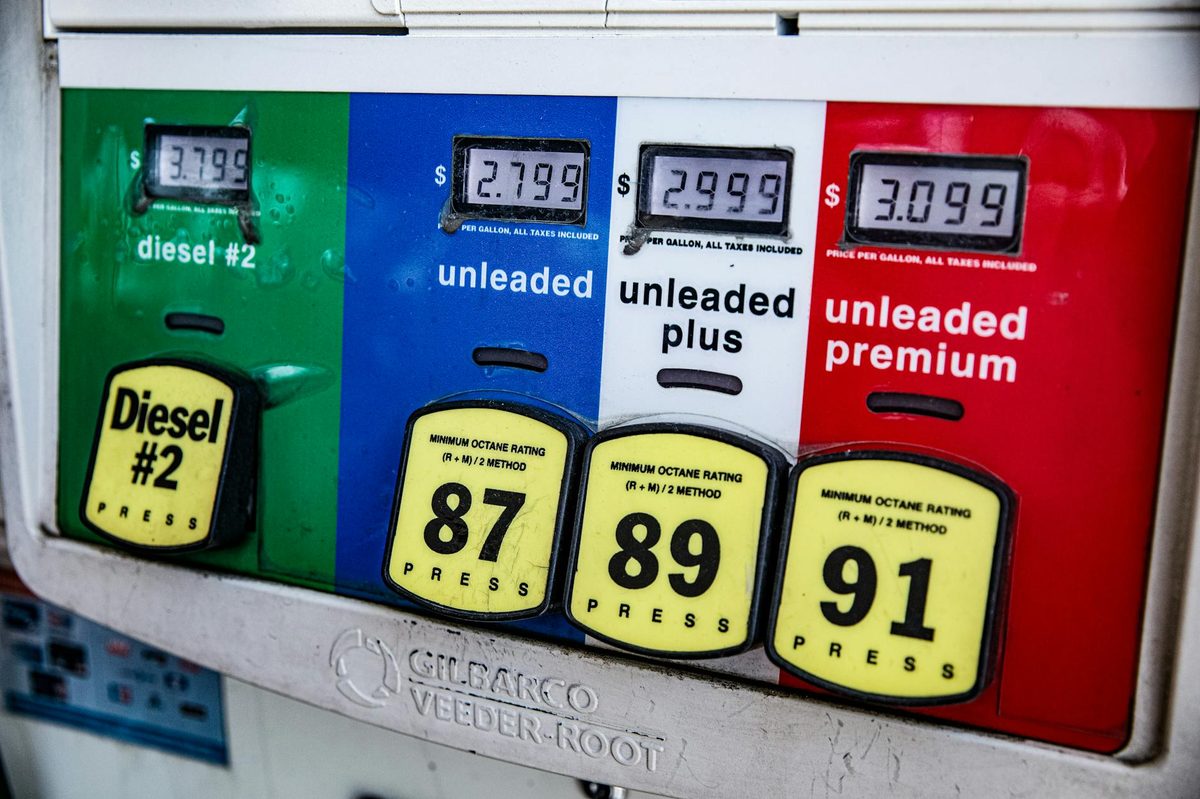
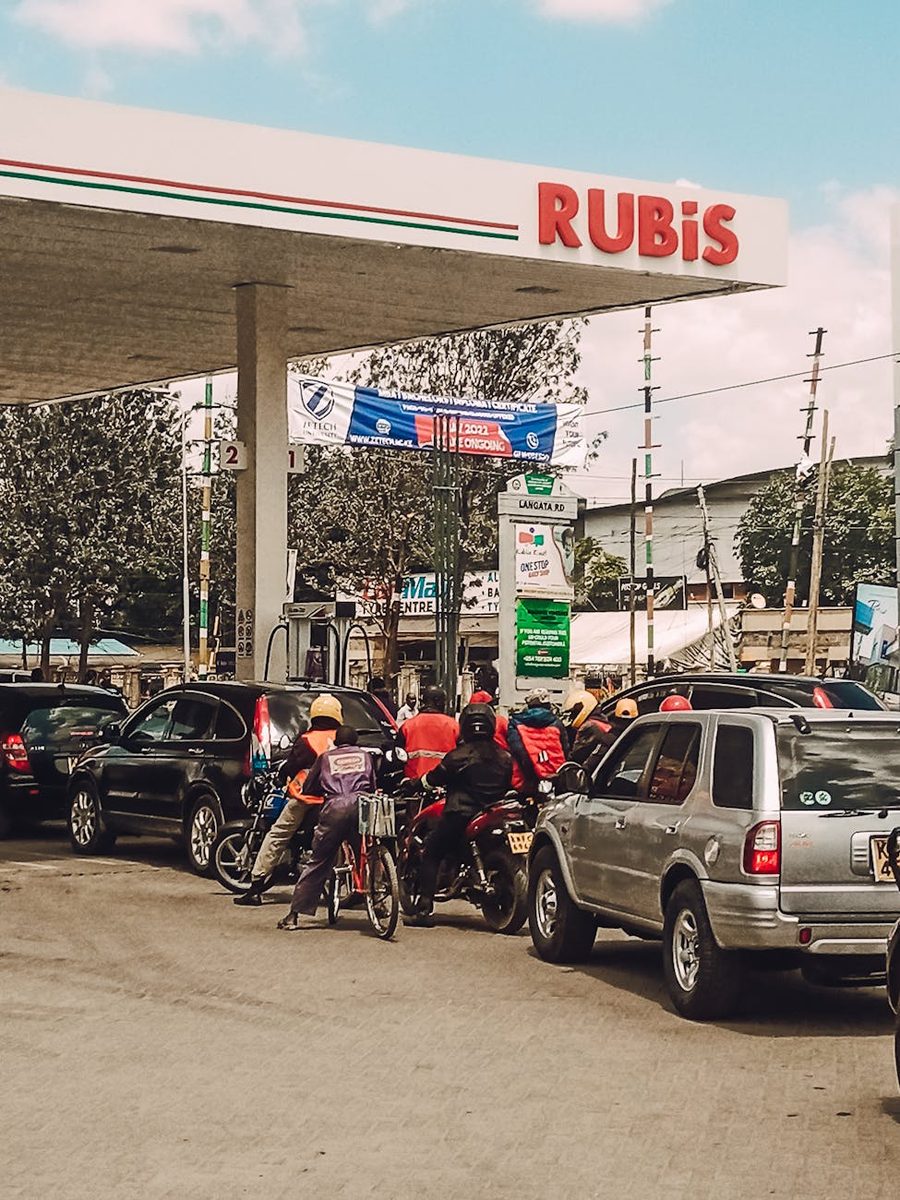
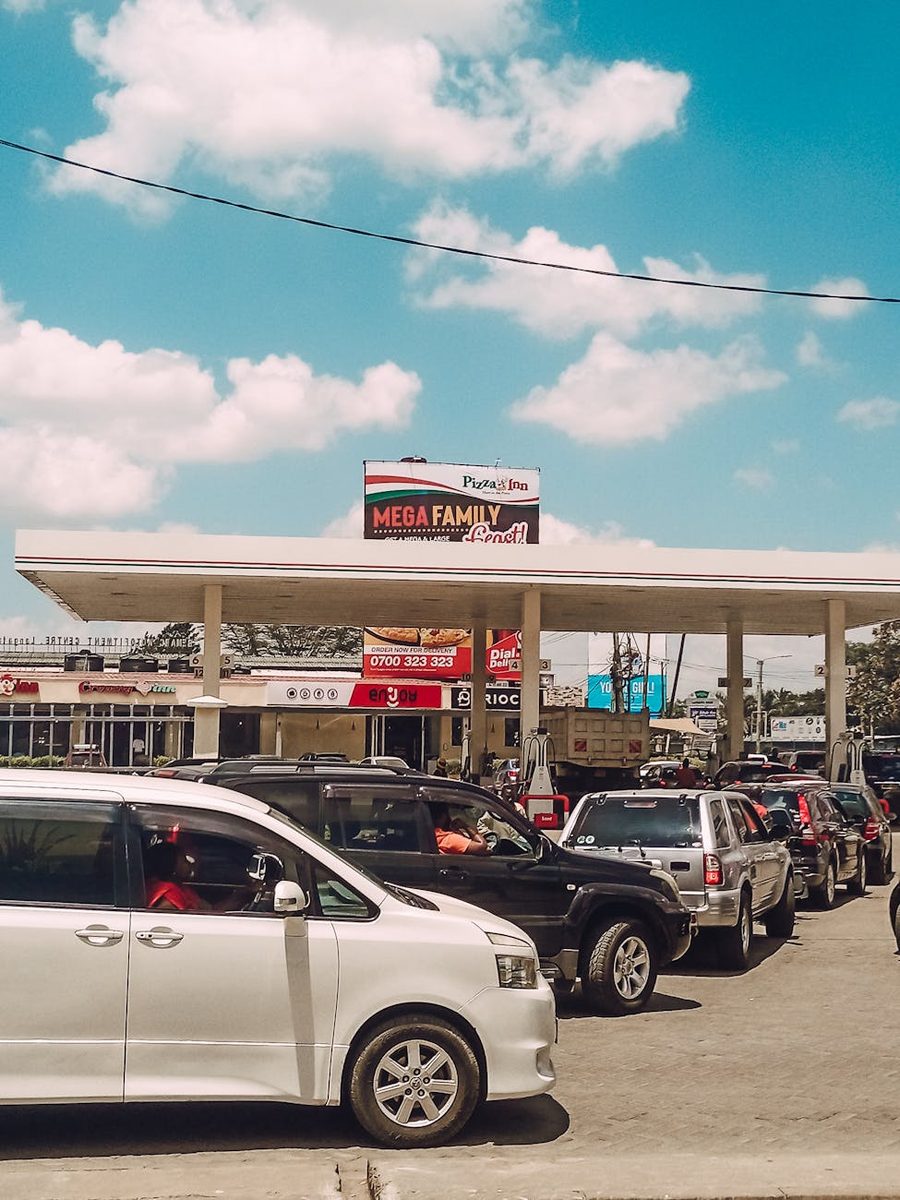
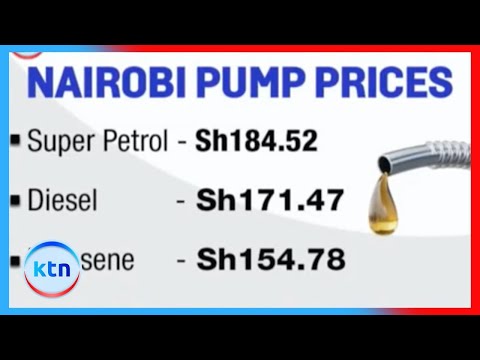
Kenya imports every drop of refined fuel it consumes. On the 15th of each month, the Energy and Petroleum Regulatory Authority sets maximum pump prices based on landed import costs and exchange rates—a system designed to prevent price gouging while ensuring suppliers can recover costs. In February 2026, that formula delivered a 2.3% cut in petrol prices, dropping a liter in Nairobi to 178.28 shillings (about $1.38).

Key Indicators

178.28
Petrol price (KSh/liter)
Current Super Petrol price in Nairobi as of February 15, 2026
2.69%
Landed cost decrease
Drop in average import cost for petrol from December 2025 to January 2026
100%
Import dependency
Kenya imports all refined petroleum products since its refinery closed in 2013
4.4%
Inflation rate
Kenya's overall inflation in January 2026, below the 5% target midpoint

Interactive

Exploring all sides of a story is often best achieved with Play.

J. P. Morgan

J. P. Morgan

(1837-1913) · Gilded Age · finance

Fictional AI pastiche — not real quote.

"A government that sets prices monthly proves it trusts neither the market nor itself. Kenya imports dependency and calls it energy policy—when their Turkana field opens, we shall see if they possess the nerve to let honest competition replace bureaucratic arithmetic."

Ayn Rand

Ayn Rand

(1905-1982) · Cold War · philosophy

Fictional AI pastiche — not real quote.

"Kenya has discovered that price controls designed to "protect" consumers from market reality merely guarantee that every citizen becomes a hostage to bureaucratic formulas and political riots—proving once again that when a government promises to shield you from economic law, it can only offer you the choice between stagnation and chaos. The real tragedy is not that Kenyans pay $1.38 per liter, but that their leaders have taught them to beg the state for permission to trade, rather than to demand the freedom to produce."

Ever wondered what historical figures would say about today's headlines?

Sign up to generate historical perspectives on this story.

Sign Up

Debate Arena

Two rounds, two personas, one winner. You set the crossfire.

People Involved

Daniel Kiptoo
Daniel Kiptoo
Director General, Energy and Petroleum Regulatory Authority (Current head of EPRA since 2021)
William Samoei Ruto
William Samoei Ruto
President of Kenya (In office since September 2022)

Organizations Involved

Energy and Petroleum Regulatory Authority
Government Regulatory Agency
Status: Primary regulator of Kenya's energy sector

EPRA sets monthly maximum fuel prices using a formula that accounts for landed import costs, exchange rates, taxes, and margins for wholesalers and retailers.

International Monetary Fund
International Financial Institution
Status: Kenya's lending partner with conditions on subsidy reform

The IMF's $2.3 billion lending program for Kenya includes conditions to reduce fuel and electricity subsidies.

Timeline

  1. February Fuel Price Cut

    Price Review

    EPRA reduces petrol by 4.24 shillings, diesel by 3.93 shillings, and kerosene by 1 shilling. Petrol now 178.28 shillings in Nairobi.

  2. January Fuel Price Cut

    Price Review

    EPRA reduces petrol by 2 shillings, diesel by 1 shilling, and kerosene by 1 shilling per liter.

  3. Turkana Oil Plan Approved

    Infrastructure

    Kenya approves 793 billion shilling South Lokichar Basin development plan, targeting first oil exports by December 2026.

  4. New Pricing Formula Takes Effect

    Policy

    EPRA implements updated Cost-of-Service Study findings, adjusting margins for wholesalers and retailers.

  5. Ruto Withdraws Finance Bill

    Policy

    President concedes to protesters and announces he will not sign Finance Bill 2024, ordering budget cuts instead.

  6. Protesters Storm Parliament

    Unrest

    Demonstrators breach parliament buildings protesting Finance Bill 2024 tax increases. At least 22 killed in clashes.

  7. Ruto Reinstates Fuel Subsidy

    Policy

    Under pressure from months of violent protests, government partially restores fuel subsidies despite IMF criticism.

  8. Cost-of-Living Protests Erupt

    Unrest

    Opposition leader Raila Odinga calls nationwide protests against high fuel prices and tax increases. At least 30 people killed.

  9. Ruto Removes Fuel Subsidies

    Policy

    Newly inaugurated President William Ruto eliminates fuel subsidies, citing fiscal sustainability.

  10. IMF Approves $2.3 Billion Program

    Financial

    IMF lending program includes conditions for Kenya to reduce fuel and electricity subsidies.

  11. Fuel Stabilization Fund Launches

    Policy

    Petroleum Development Levy begins funding price stabilization mechanism to cushion consumers from volatility.

  12. Mombasa Refinery Closes

    Infrastructure

    Kenya Petroleum Refineries Limited ceases operations, making Kenya 100% dependent on refined fuel imports.

  13. Kenya Introduces Fuel Price Controls

    Policy

    Government implements maximum price cap after fuel marketers failed to lower prices when international crude costs fell in 2008.

Scenarios

1

Fuel Prices Continue Declining Through 2026

Discussed by: U.S. Energy Information Administration, International Energy Agency, J.P. Morgan Research

Global oil supply is outpacing demand, with the EIA forecasting Brent crude to average $58 per barrel in 2026, down from $68 in early 2026. If this trend holds and the Kenyan shilling remains stable around 129 per dollar, EPRA's monthly reviews would deliver continued small price cuts. This would ease pressure on matatu operators and consumers, potentially reducing inflation further below the 5% target. However, lower fuel taxes also mean reduced government revenue at a time when Kenya faces IMF fiscal targets.

2

Domestic Oil Production Begins, Reshaping Pricing

Discussed by: Kenya Ministry of Petroleum, Gulf Energy, industry analysts

Kenya's South Lokichar Basin project targets first oil by December 2026, with initial production of 20,000 barrels per day. If achieved, this would mark Kenya's first sustained domestic production. The impact on pump prices is uncertain—crude would still need refining abroad initially—but it could reduce import costs and foreign exchange pressure. The larger shift would be psychological: Kenya would move from pure import dependency toward partial energy self-sufficiency.

3

Global Supply Shock Triggers Price Surge

Discussed by: IEA Oil Market Reports, geopolitical analysts

Iran tensions, Red Sea shipping disruptions, or OPEC supply cuts could reverse the current downward price trend. If landed costs spike as they did in 2022-2023, EPRA would be forced to pass increases through to consumers. Given the political trauma of the 2023-2024 protests, President Ruto would face pressure to deploy the stabilization fund or reinstate subsidies—again putting Kenya at odds with IMF conditions.

4

Pricing Formula Overhaul After Political Pressure

Discussed by: Kenyan civil society groups, opposition politicians, Institute of Economic Affairs Kenya

Critics argue EPRA's formula includes excessive margins for oil marketers and that the Petroleum Development Levy funds are not transparently managed. Sustained public pressure could force reforms to the pricing methodology—perhaps capping margins or increasing transparency on how stabilization funds are deployed. This would require legislative action and could face resistance from oil marketing companies.

Historical Context

Nigeria Fuel Subsidy Removal (2023)

May 2023

What Happened

Newly inaugurated President Bola Tinubu announced total removal of Nigeria's fuel subsidy on May 29, 2023. Petrol prices jumped from 185 naira to over 500 naira per liter overnight. The subsidy had cost Nigeria an estimated $10 billion annually but kept fuel artificially cheap in Africa's largest oil producer.

Outcome

Short Term

Prices ultimately rose to over 1,000 naira per liter by 2024. Transportation costs doubled, driving up food prices nationwide. Labor unions threatened indefinite strikes but suspended action after negotiations.

Long Term

The World Bank projected four in ten Nigerians would fall below the poverty line by end of 2024. The shock illustrated the political and economic costs of abrupt subsidy removal—a lesson relevant to Kenya's more gradual approach.

Why It's Relevant Today

Kenya avoided Nigeria's shock therapy by implementing monthly price adjustments rather than sudden subsidy removal. But both countries face the same underlying tension: IMF pressure for fiscal discipline versus public dependence on fuel subsidies.

Kenya Cost-of-Living Protests (2023-2024)

March 2023 - June 2024

What Happened

Opposition leader Raila Odinga called protests against fuel prices and tax increases in March 2023. Demonstrations turned violent, with police killing at least 30 protesters. The crisis peaked in June 2024 when protesters stormed parliament to oppose the Finance Bill, leaving at least 22 dead.

Outcome

Short Term

President Ruto reinstated fuel subsidies in August 2023 and withdrew the Finance Bill in June 2024, ordering nearly 1 trillion shilling in budget cuts instead.

Long Term

The protests demonstrated that Kenyan citizens will mobilize violently against perceived unfair energy costs, creating a political constraint on future subsidy removal regardless of IMF preferences.

Why It's Relevant Today

The February 2026 price cut occurs in the aftermath of this trauma. Any future price increases will be viewed through the lens of these protests, limiting government options during global price spikes.

Kenya Price Control Introduction (2011)

December 2011

What Happened

After protests against high fuel prices and revelations that oil marketers had not passed through international price decreases to consumers, Kenya's government implemented maximum price caps. The Energy Regulatory Commission began calculating monthly prices based on import costs and exchange rates.

Outcome

Short Term

Consumers gained protection against price gouging, though prices remained tied to volatile international markets.

Long Term

The price control system became institutionalized, surviving multiple administrations and evolving into EPRA's current formula under the Petroleum Act 2019.

Why It's Relevant Today

The February 2026 price review is a routine application of this 14-year-old regulatory framework. The system has proven durable but faces new questions as Kenya potentially transitions toward domestic oil production.

Sources

(10)