
2014-2016 Oil Price Collapse
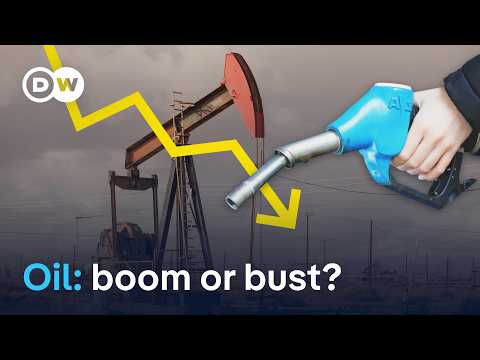
Brent crude fell from $112 to $31 per barrel—a 70% decline—over 18 months. U.S. shale production had surged while demand from China and Europe weakened. In November 2014, Saudi Arabia's oil minister Ali Naimi announced OPEC would defend market share rather than cut production to support prices.
U.S. rig counts collapsed from 1,600 to under 400. Oil-dependent economies including Russia, Venezuela, and Nigeria faced currency crises and budget emergencies.
U.S. shale proved more resilient than expected, with efficiency gains lowering breakeven costs. OPEC eventually partnered with Russia to form OPEC+ in 2016, establishing the production coordination framework still in use today.
Today's oversupply mirrors 2014's dynamic: rising non-OPEC production (now Brazil, Guyana, Argentina instead of U.S. shale) meets weakening demand growth. The key question is whether OPEC+ will maintain discipline or let prices collapse to reclaim market share.