
Pull to refresh
Logo
Kenya high court rules US Ebola quarantine deal unconstitutional

Kenya high court rules US Ebola quarantine deal unconstitutional

Rule Changes

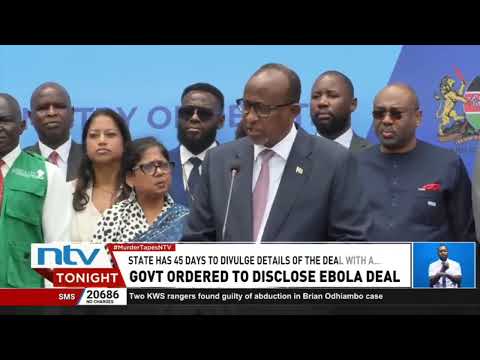
Judges ordered the health ministry to publish the Laikipia Air Base agreement and barred work at the site until it does

Overview

Updated 5 hours ago

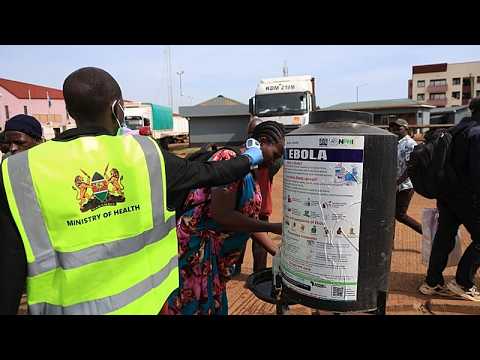
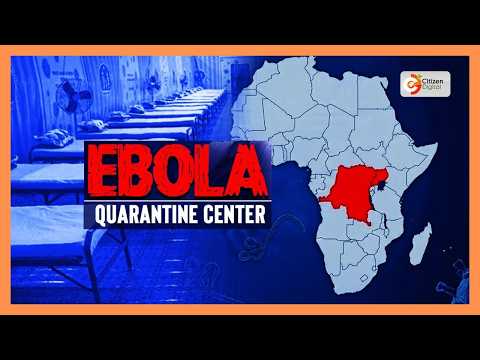
Construction crews began work inside Laikipia Air Base in May on a 50-bed Ebola quarantine facility meant partly for American citizens. Residents near Nanyuki were not told the terms of the deal behind it. On 26 November, Kenya's High Court ruled the arrangement with Washington breached the constitution and barred further work until the government publishes the agreement.

The facility was built to hold people exposed to Ebola rather than fly them home. Kenya has since recorded nine cases of the Bundibugyo strain and two deaths, and there is no approved vaccine for it. The judgment tests whether a public health emergency suspends a government's duty to explain what it has agreed to.

Why it matters

Kenya's ruling sets a test for any government that cites an emergency to sign deals the people living beside them cannot see.

Questions about this story

Free account needed to ask — your question is kept and asked for you right after sign-up. Answers are public.

No questions yet — be the first to ask.

Key Indicators

50
Beds at the Laikipia quarantine facility
Capacity of the US-backed site inside Laikipia Air Base near Nanyuki.
$13.5M
Planned US contribution
The sum Washington intended to commit to Kenya's Ebola preparedness, according to the Associated Press.
45
Days to publish the agreement
Deadline the High Court gave the health ministry to disclose the deal, assessments and protocols.
9
Ebola cases recorded in Kenya
Two deaths and seven recoveries from the Bundibugyo strain as of mid-November 2026.

Voices

Curated perspectives — historical figures and your fellow readers.

Sign up to generate historical perspectives on this story.

People Involved

Organizations Involved

Timeline

May 2026 November 2026

7 events Latest: Yesterday
Tap a bar to jump to that date
  1. Kenya confirms first imported Ebola case

    Public health

    A traveller who arrived from the DRC via Uganda tested positive for the Bundibugyo strain.

  2. Seven US aid workers quarantined at Laikipia

    Public health

    Americans who had worked on the Ebola response in the DRC were housed at the facility.

  3. Protests turn deadly in Nanyuki

    Unrest

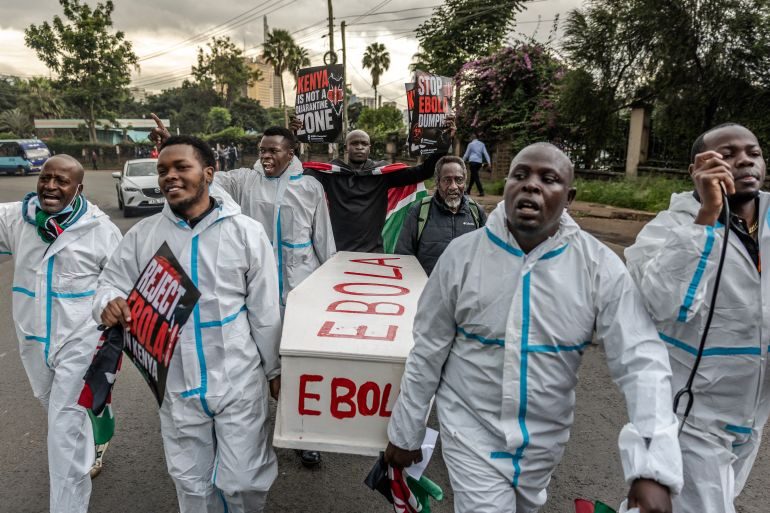
    Police opened fire at demonstrators against the facility; at least three people were killed across two protests that month.

  4. WHO declares Ebola outbreak an international emergency

    Public health

    The World Health Organization declared the Bundibugyo strain outbreak in the Democratic Republic of the Congo a public health emergency of international concern.

Scenarios

1

Kenya publishes the US Ebola deal and the court clears the site

Possible Resolves by Jan 15, 2027

Discussed by: Katiba Institute, which asked the court for the disclosure order and published a summary of the judgment

The health ministry hands over the agreement, the public health and biosafety assessments, and the protocols for admitting and treating exposed people within 45 days. The court certifies compliance and lifts its prohibition, leaving a 50-bed facility available if the outbreak spreads. That is the path the judgment itself sets out: the ban runs only until disclosure is satisfactory.

2

Disclosure deadline passes with the agreement still unpublished

Possible Resolves by Jan 15, 2027

Discussed by: The Standard's account of the judgment, which records that no terms of the arrangement had been disclosed in court

The 45-day window shuts with nothing published. The prohibition on work at the site stays in force and the petitioners return to court to seek enforcement of the mandamus order. The facility remains built but unusable through the next phase of the outbreak response.

3

Government appeals and the Court of Appeal reverses the ruling

Unlikely Resolves by Q2 2027

Discussed by: No appeal had been filed when the judgment was delivered; the government had not commented on the ruling

The health ministry challenges the declarations and the prohibition in the Court of Appeal, arguing that emergency public health powers allow faster action. A reversal would remove the disclosure order and let the facility operate, though the political damage from the protests and the deaths would remain.

Historical Context

3 moments from history that rhyme with this story — and how they unfolded.

October 2014

Kaci Hickox quarantine standoff (2014)

Kaci Hickox, a nurse who had treated Ebola patients in Sierra Leone, landed in Newark, New Jersey, and was held in an isolation tent under a mandatory quarantine ordered by state officials. She was later allowed to travel to Maine, where the governor tried to keep her confined.

Then

A Maine court declined to confine her, allowing her to move freely while monitoring her temperature.

Now

The standoff became the most-cited American example of the tension between Ebola precautions and individual liberty.

Why this matters now

Laikipia asks a related question at the level of states rather than individuals: who bears the risk of quarantining people exposed to Ebola, and who gets to know the terms.

January 2002

Guantánamo Bay detention camp (2002)

The Bush administration opened a detention facility at the US naval base in Cuba, on land leased under a 1903 treaty, choosing a site outside the ordinary jurisdiction of US courts. Detainees were held without charge.

Then

Litigation followed for years over whether detainees could challenge their detention in US courts.

Now

The Supreme Court eventually ruled they could, but the camp remained open.

Why this matters now

Laikipia runs the same instinct in the other direction: a facility placed on foreign soil to hold the sending country's own citizens, with the local population left out of the decision.

September 2017

Kenya's annulled presidential election (2017)

Kenya's Supreme Court nullified President Uhuru Kenyatta's re-election, finding the electoral commission had failed to follow the law in transmitting and verifying results. It ordered a fresh vote within 60 days.

Then

It was the first time a Kenyan court had annulled a presidential result; the re-run went ahead in October with the opposition boycotting.

Now

The ruling established that Kenyan courts would enforce process rules against the executive and its agencies, even under time pressure.

Why this matters now

The Laikipia judgment applies that logic to a health emergency: procedure still binds, and urgency is not a waiver.

Sources

(9)