



Pull to refresh
Logo
Sudan lifts 20-month ban on Kenyan tea imports

Sudan lifts 20-month ban on Kenyan tea imports

Rule Changes

Back-channel diplomacy reopens a $70 million market shut over Nairobi's hosting of Sudan's paramilitary RSF

Overview

Updated 40 minutes ago

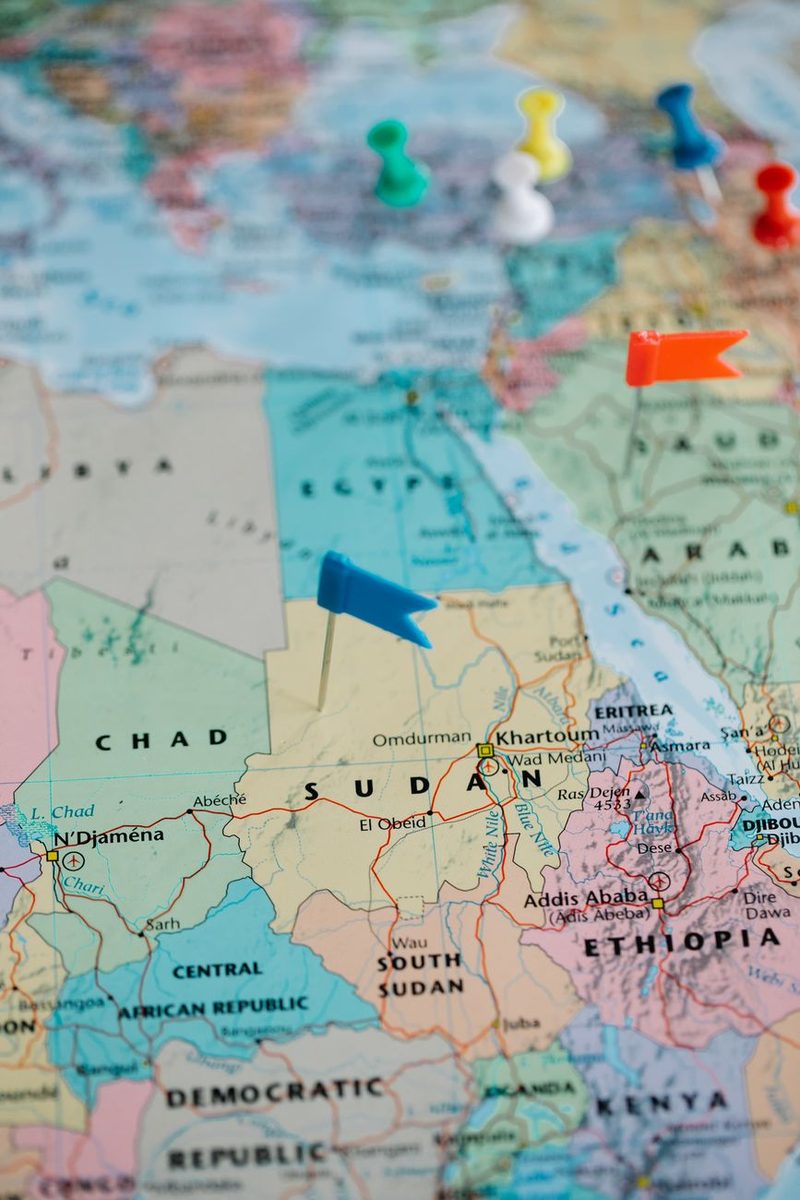
Sudan's Ministry of Industry and Trade lifted a 20-month ban on Kenyan tea on November 8, 2026, reopening Kenya's second-largest tea export market after Egypt. The order, signed by Minister Mahasin Ali Yaqoub, took effect immediately and reversed a restriction imposed in March 2025.

The ban was political. Khartoum imposed it after Nairobi hosted leaders of the Rapid Support Forces, the paramilitary group fighting Sudan's army. Kenya recovered the market through parallel tracks—intelligence back-channels and tea-industry lobbying—that kept trade separate from the war.

Why it matters

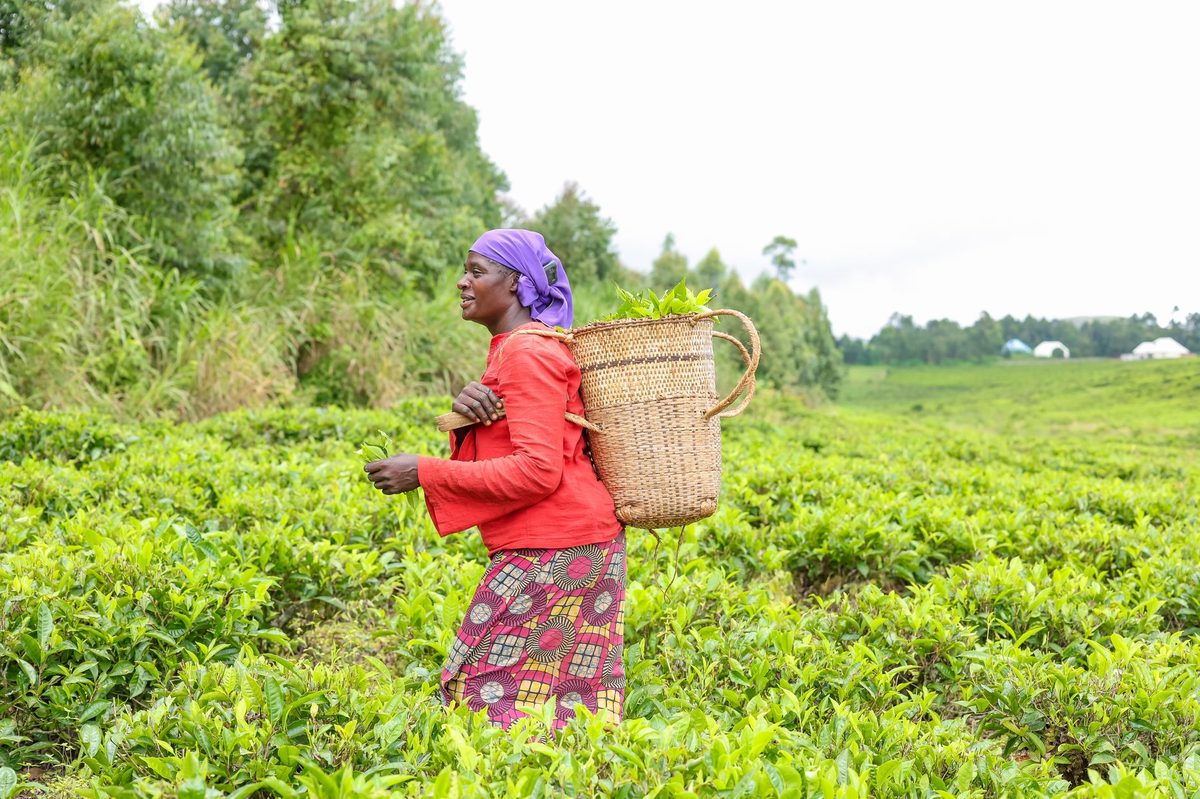
Reopening Sudan restores a market that absorbed roughly 35 million kilograms of Kenyan tea a year and supports prices at the Mombasa auction.

Questions about this story

Free account needed to ask — your question is kept and asked for you right after sign-up. Answers are public.

No questions yet — be the first to ask.

Key Indicators

$70M
Annual tea exports to Sudan at peak
Sudan was Kenya's second-largest tea market after Egypt before the ban.
35M kg
Kenyan tea Sudan absorbed each year
Roughly 35 million kilograms of black tea annually went to Sudanese buyers.
20 months
Length of the import ban
Imposed in March 2025 and lifted in November 2026.
207
Containers stranded at Mombasa
Containers of Kenyan tea were stuck at the port when restrictions took effect.
$24M
Consignments in transit or awaiting shipment
Value of tea caught mid-shipment when the ban was introduced.
50+
Sudanese importing companies affected
Firms that had to source Kenyan tea through the UAE and China at higher cost.

Voices

Curated perspectives — historical figures and your fellow readers.

Sign up to generate historical perspectives on this story.

People Involved

Organizations Involved

Timeline

February 2025 November 2026

10 events Latest: Yesterday
Tap a bar to jump to that date
  1. Ruto announces Sudan has lifted the ban

    Latest Statement

    Kenya's president discloses the diplomatic push behind the deal.

  2. Ministerial Order No. 25 signed

    Trade

    Industry and Trade Minister Mahasin Ali Yaqoub lifts the tea ban, effective immediately.

  3. Cabinet communication issued

    Government

    Sudan's cabinet issues a communication confirming the decision.

  4. Sovereignty Council approves lifting ban

    Government

    Sudan's Sovereignty Council approves the removal of restrictions on Kenyan tea.

  5. Ruto meets Sudan's PM in Harare

    Diplomacy

    The two meet on the sidelines of the COMESA summit in Zimbabwe.

  6. Tea traders meet Sudan's ambassador

    Diplomacy

    Musyoka and traders visit Sudan's embassy in Nairobi to appeal for reopening.

  7. Musyoka opens industry track

    Diplomacy

    Former Vice-President Kalonzo Musyoka begins separate engagements with Sudanese authorities.

  8. Sudan allows clearing of stranded tea

    Trade

    Sudan lets traders clear about 400 bags already at Port Sudan, without reopening the market.

  9. Sudan bans Kenyan imports

    Trade

    Khartoum bars all Kenyan imports, including tea, citing sovereignty and national security.

  10. RSF signs charter in Nairobi

    Diplomatic

    Sudan's Rapid Support Forces and allied groups sign a charter outlining a parallel government.

Scenarios

1

Sudanese buyers resume direct sourcing and volumes recover toward pre-ban levels

Possible Resolves by Q2 2027

Discussed by: East African Tea Trade Association; Kenyan tea exporters

Importers in Sudan restart direct purchases from Mombasa and rebuild supply chains disrupted for nearly two years. Prices for BP1, the grade Sudanese buyers prefer, rise at auction. The key variable is how quickly the more than 50 affected importing companies switch back from intermediaries in the UAE and China.

2

Recovery stalls as buyers keep routing Kenyan tea through third countries

Unlikely Resolves by Q2 2027

Discussed by: Industry analysts cited by The EastAfrican

Sudan's importers retain established UAE and China intermediaries, and direct Kenyan shipments stay well below pre-ban levels. Rebuilding trust and logistics takes longer than the diplomatic breakthrough suggests.

3

Tea deal opens a broader diplomatic thaw between Nairobi and Khartoum

Uncertain Resolves by End of 2027

Discussed by: Diplomatic sources cited by Kenyan media

The commercial agreement becomes a bridge to discuss other pending issues, including security allegations tied to the RSF. Sudan's ambassador remains at his post in Nairobi, and both governments treat political disputes as separate from trade.

Historical Context

3 moments from history that rhyme with this story — and how they unfolded.

November 2015 - June 2016

Russia bans Turkish food imports (2015-2016)

Turkey shot down a Russian Su-24 bomber near the Syrian border in November 2015. Moscow responded with sanctions, including a ban on Turkish agricultural imports that hit exporters in both countries.

Then

Trade collapsed and tourism fell; Ankara apologized in mid-2016.

Now

Russia lifted most restrictions within months of the apology, and the episode became a template for using trade bans as leverage in security disputes.

Why this matters now

Sudan's tea ban followed the same pattern: a political grievance translated into a commercial cutoff, resolved once the underlying dispute was addressed through back-channels.

June 2017 - January 2021

Saudi-led blockade of Qatar (2017-2021)

Saudi Arabia, the UAE, Bahrain and Egypt cut diplomatic and trade ties with Qatar, closing airspace and land borders over allegations of supporting extremism. Qatar rerouted trade through Turkey and Iran.

Then

Qatar's imports fell sharply before new supply routes stabilized.

Now

The blockade ended at the Al-Ula summit in January 2021 without a clear victor, showing that trade coercion rarely produces the intended political change.

Why this matters now

Sudan's ban forced Kenyan tea through third-country routes at higher cost, mirroring how blockades reroute trade rather than stop it.

September - November 2010

China restricts rare earth exports to Japan (2010)

After a collision between a Chinese trawler and Japanese coast guard vessels near disputed islands, China cut rare earth shipments to Japan. Japan depended on China for most of its rare earth supply.

Then

Japanese manufacturers scrambled for alternative suppliers as exports slowed.

Now

Japan diversified supply and pursued recycling; the case became a reference point for export controls as geopolitical tools.

Why this matters now

Both cases show a single-commodity trade restriction used to signal political displeasure, and both ended when the diplomatic dispute was addressed.

Sources

(6)