

Pull to refresh
Logo
Keto diet cuts liver fat by two-thirds at matched weight loss

Keto diet cuts liver fat by two-thirds at matched weight loss

New Capabilities

A 42-person feeding trial found carbohydrate restriction changed liver fat and prediabetes rates beyond what equal weight loss explained

Overview

Updated 54 minutes ago

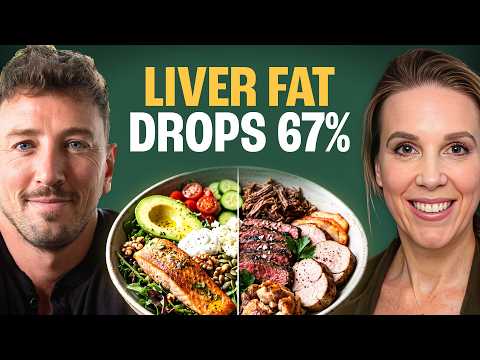
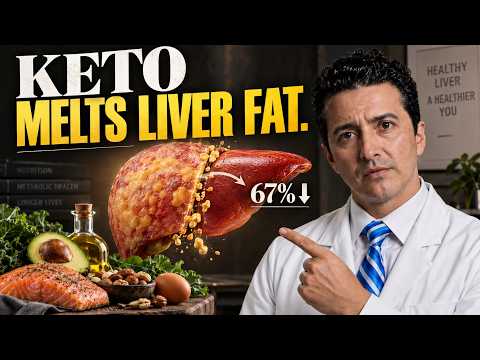
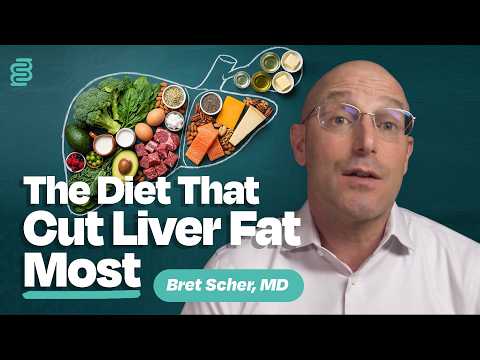
Fifty-five adults with obesity, prediabetes and excess liver fat agreed to eat only food the researchers gave them for about five months. All three diet groups lost roughly 10% of their body weight. The ketogenic group lost 67% of its liver fat, against 45% in the Mediterranean and low-fat groups.

That gap is the point. The trial matched weight loss across all three groups, so the difference in liver fat points at diet composition rather than pounds lost. If it holds, clinicians treating fatty liver disease have a reason to ask about food choice as well as weight.

Why it matters

The trial holds weight loss constant and asks what diet composition adds, a question nutrition researchers have argued over for two decades.

Questions about this story

Free account needed to ask — your question is kept and asked for you right after sign-up. Answers are public.

No questions yet — be the first to ask.

Key Indicators

67%
Liver fat reduction on the ketogenic diet
Average drop in intrahepatic triglyceride content over four to five months.
45%
Liver fat reduction on Mediterranean and low-fat diets
Both comparison groups landed at the same figure despite different macronutrient mixes.
50%
Keto participants no longer prediabetic
Against 29% on the Mediterranean diet and 7% on the low-fat, plant-forward diet.
2–3×
Greater rise in liver insulin sensitivity on keto
Muscle insulin sensitivity rose about 50% in all three groups; the liver response differed.
42
Participants who completed the trial
Of 55 randomized; 14 finished in each diet group.
10%
Body weight lost, matched across groups
Researchers adjusted individual calorie intake to hit this target in four to five months.

Voices

Curated perspectives — historical figures and your fellow readers.

Sign up to generate historical perspectives on this story.

Organizations Involved

Timeline

2026 November 2026

2 events Latest: 2 days ago
  1. Keto arm's 67% liver-fat drop reported

    Latest Result

    Liver fat falls 67% on keto versus 45% on the other diets. The keto group's 24-hour insulin fell and glucagon rose, changes that suppress the liver's fat-making pathway.

  2. Three-diet feeding trial published in Cell Metabolism

    Publication

    Fifty-five adults with obesity, prediabetes and fatty liver are randomized to ketogenic (4% carbohydrate), Mediterranean (50%) or low-fat plant-forward (70%) diets, with all meals supplied.

Scenarios

1

Larger trial confirms the liver-fat gap at one year

Possible Resolves by End of 2029

Discussed by: The trial's authors, who state that longer studies with more participants are needed

The 42-person sample and five-month window leave open whether the gap is durable or a feature of short, tightly controlled feeding. A trial with several hundred participants running at least a year would settle it.

2

Liver guidance names low-carbohydrate diets as an option

Unlikely Resolves by Q2 2028

Discussed by: Scientific American's coverage, which frames the result as a keto-versus-Mediterranean question

Practice guidance for fatty liver disease currently centers on weight loss, not macronutrient mix. A guideline committee would need to treat composition as an independent lever before recommending a specific diet.

3

Longer keto trial finds higher LDL cholesterol

Uncertain Resolves by End of 2029

Discussed by: Clinicians who note the five-month limit of the current trial

The keto group showed no rise in LDL cholesterol or apolipoprotein B over five months, which the researchers called unexpected. A longer run would test whether that holds once weight loss plateaus.

Historical Context

3 moments from history that rhyme with this story — and how they unfolded.

February 2009

POUNDS LOST (2009)

Researchers at two U.S. centers put 811 overweight adults on one of four diets with different fat, protein and carbohydrate proportions. Every participant had a calorie target and group counselling.

Then

Weight loss was similar across all four diets at two years.

Now

The result moved the field's focus from macronutrient ratios to adherence and total calories.

Why this matters now

POUNDS LOST compared diets on the scale. The new trial holds weight loss equal on purpose and measures fat inside the liver.

February 2018

DIETFITS (2018)

Stanford researchers randomized 609 adults to a healthy low-fat or healthy low-carbohydrate diet for 12 months. Neither genotype nor insulin response predicted who would lose more weight.

Then

Weight loss was similar between the two groups.

Now

The trial became the standard citation for the claim that insulin levels do not predict diet response.

Why this matters now

The new trial revives a version of that question with a different endpoint: liver fat rather than body weight.

2017–2018

DiRECT (2017–2018)

A UK primary care trial put about 300 adults with type 2 diabetes on a total diet replacement of roughly 800 calories a day, then reintroduced food with structured support.

Then

Nearly half of participants were in remission at 12 months, and remission tracked with the weight they lost.

Now

It established weight loss itself as a route to diabetes remission and shaped later clinical guidance.

Why this matters now

DiRECT showed that losing weight can reverse high blood sugar. The new trial asks whether the mix of foods changes how much fat leaves the liver at the same weight loss.

Sources

(6)