
Pull to refresh
Logo
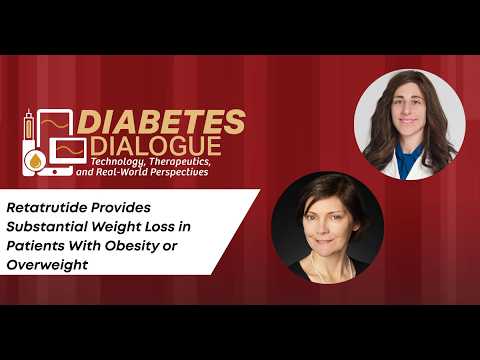
Retatrutide phase 3 trial shows 30% average weight loss at 104 weeks

Retatrutide phase 3 trial shows 30% average weight loss at 104 weeks

New Capabilities

Eli Lilly's triple-hormone agonist matches bariatric-surgery outcomes without surgery

Today: NEJM publishes TRIUMPH-1 results

Overview

Updated 1 hour ago

People on the highest dose of Eli Lilly's experimental obesity drug lost an average of 30.3% of their body weight over 104 weeks — a result doctors previously saw almost only after bariatric surgery. The finding comes from TRIUMPH-1, a Phase 3 trial that randomized 2,339 adults with obesity or overweight to one of three doses of retatrutide or a placebo.

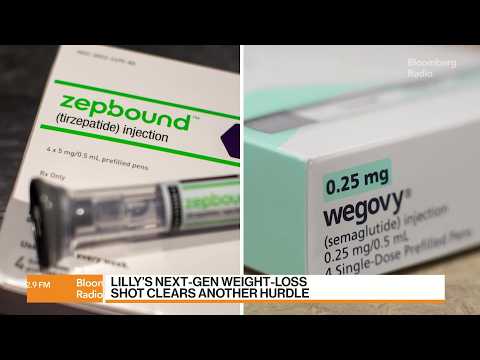
Retatrutide is a once-weekly injection that activates three hormone receptors — GIP, GLP-1, and glucagon — one more than existing blockbusters Wegovy and Zepbound. On the 12 mg dose, participants lost an average of 85 pounds, and 65.3% crossed below a body mass index of 30, the clinical threshold for obesity.

The results were published in the New England Journal of Medicine and set up a regulatory filing with the FDA. If approved, retatrutide would be the first obesity drug to match surgical weight loss without surgery.

Why it matters

If approved, a once-weekly injection could deliver bariatric-surgery-level weight loss without surgery, reshaping how obesity is treated.

Questions about this story

Free account needed to ask — your question is kept and asked for you right after sign-up. Answers are public.

No questions yet — be the first to ask.

Key Indicators

30.3%
Average weight loss at 104 weeks (12 mg dose)
Participants with baseline BMI ≥35 lost an average of 85 lbs over two years.
85 lbs
Average weight loss in pounds at 104 weeks
From an average baseline of 268.3 lbs and a BMI of 42.8 in the extension group.
2,339
Trial participants randomized
Adults with obesity or overweight and at least one weight-related comorbidity, without diabetes.
28.3%
Average weight loss at 80 weeks (12 mg)
Primary endpoint; the 9 mg dose produced 25.9% and the 4 mg dose produced 19.0%.
65.3%
Share of 12 mg group reaching BMI below 30
Includes 37.5% of those who started with class 3 obesity (BMI ≥40); 33.3% reached a healthy BMI below 25.

Voices

Curated perspectives — historical figures and your fellow readers.

Ever wondered what historical figures would say about today's headlines?

Sign up to generate historical perspectives on this story.

People Involved

Organizations Involved

Timeline

July 2023 September 2026

5 events Latest: Today
Tap a bar to jump to that date
  1. NEJM publishes TRIUMPH-1 results

    Today Publication

    The New England Journal of Medicine publishes the Phase 3 trial, including 30.3% average weight loss at 104 weeks on the 12 mg dose.

  2. ADA presents TRIUMPH-1 and TRANSCEND-T2D-1

    Conference presentation

    Full results presented at the ADA 86th Scientific Sessions show weight loss plus improvements in knee osteoarthritis pain and obstructive sleep apnea.

  3. Lilly announces positive topline results

    Corporate statement

    All three retatrutide doses meet primary and key secondary endpoints; the 12 mg dose shows 28.3% average weight loss at 80 weeks.

  4. TRIUMPH-1 completes main study

    Trial completion

    The 80-week master trial and its 104-week pre-specified extension finish, per ClinicalTrials.gov records.

  5. TRIUMPH-1 trial opens

    Trial launch

    Eli Lilly begins a Phase 3, placebo-controlled trial of retatrutide in adults with obesity or overweight and at least one weight-related comorbidity.

Scenarios

1

FDA Approves Retatrutide for Obesity

Likely Resolves by End of 2028

Discussed by: Lilly's topline release and analysts covering the obesity drug market

With two positive Phase 3 programs (TRIUMPH-1 and TRANSCEND-T2D-1), Lilly files a New Drug Application for retatrutide in chronic weight management. The FDA grants priority review and approves the drug, giving patients a once-weekly option that reaches roughly 30% average weight loss. Approval would position retatrutide as the most efficacious obesity injection on the market, above Zepbound and Wegovy.

2

Basket Trial Results Shape the Label

Likely Resolves by Q2 2027

Discussed by: Lilly's June 2026 ADA presentation of the TRIUMPH-1 and TRANSCEND-T2D-1 programs

The two nested basket trials — knee osteoarthritis pain and obstructive sleep apnea — report separately. Positive results could expand the label and the evidence base, measuring WOMAC pain scores and apnea-hypopnea index along with weight. Early topline data indicate retatrutide cut knee pain by up to 73% and reduced apnea events by up to 61%.

3

Safety Signals Temper Adoption

Possible Resolves by Q2 2028

Discussed by: Safety tables in the NEJM publication and clinical commentators

The 12 mg dose showed an 11.3% discontinuation rate due to adverse events and higher rates of dysesthesia (nerve-skin sensation changes) and urinary tract infections than placebo. If post-marketing surveillance finds serious safety issues, the FDA could add warnings or require a Risk Evaluation and Mitigation Strategy (REMS). The lower 4 mg dose had a discontinuation rate comparable to placebo, suggesting dose-dependent tolerability could shape real-world prescribing.

Historical Context

3 moments from history that rhyme with this story — and how they unfolded.

2021

Semaglutide STEP trials (2021)

The STEP 1 trial, published in the New England Journal of Medicine, showed once-weekly semaglutide (Wegovy) produced about 15% average weight loss over 68 weeks in adults with obesity. It was the first GLP-1 drug to deliver weight loss at this scale without surgery.

Then

Wegovy launched as the first blockbuster obesity injection and reshaped demand for weight-loss drugs.

Now

It created the modern incretin obesity market and set a benchmark retatrutide now exceeds.

Why this matters now

Retatrutide's 28–30% weight loss roughly doubles semaglutide's results, using the same GLP-1 mechanism plus two additional hormone receptors.

2022

Tirzepatide SURMOUNT-1 trial (2022)

Lilly's SURMOUNT-1 trial of tirzepatide (Zepbound), a dual GIP/GLP-1 agonist, showed about 21% average weight loss at the 15 mg dose over 72 weeks. The results helped tirzepatide become the best-selling obesity injection.

Then

Zepbound gained FDA approval in late 2023 and outsold semaglutide on efficacy.

Now

It validated the dual-agonist approach Lilly extends with retatrutide's added glucagon receptor.

Why this matters now

Retatrutide is tirzepatide's successor: it adds glucagon receptor activation to push weight loss from about 21% toward 30%.

1990s onward

Roux-en-Y gastric bypass (1990s–present)

Roux-en-Y gastric bypass became the standard surgical treatment for severe obesity, typically producing 25–30% total body weight loss. For decades it was the only therapy that reliably reached that level, and it carried operative risk and a long recovery.

Then

Surgery helped people with class 3 obesity lose substantial weight, but only a small fraction of eligible patients underwent it.

Now

It set the roughly 30% weight-loss target that drug developers now aim to match without surgery.

Why this matters now

The TRIUMPH-1 press release explicitly frames 30% weight loss as "a level long associated with bariatric surgery," making surgery the comparison point for retatrutide.

Sources

(8)