
Pull to refresh
Logo
South Korea fines 15 bond dealers record penalty for auction collusion

South Korea fines 15 bond dealers record penalty for auction collusion

Rule Changes

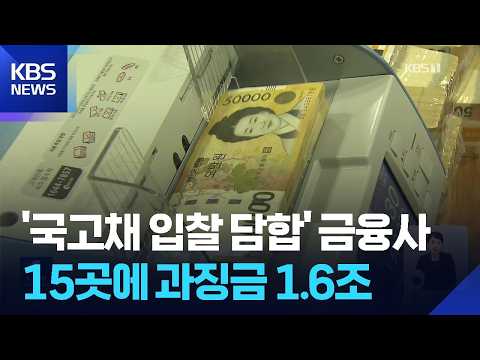
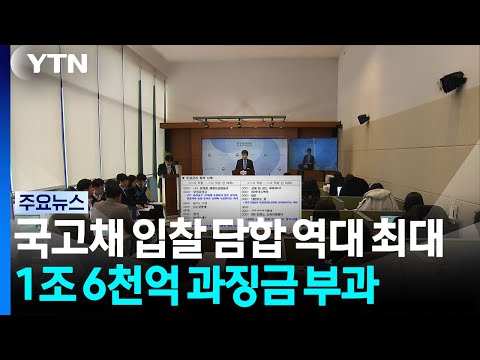
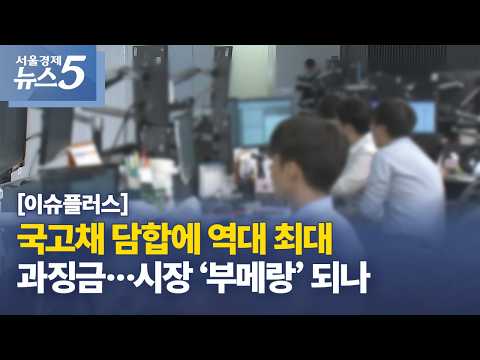
The 1.63 trillion won ($1.22 billion) penalty is the largest the Korea Fair Trade Commission has imposed in a single case, and seven firms face criminal referral.

Overview

Updated 49 minutes ago

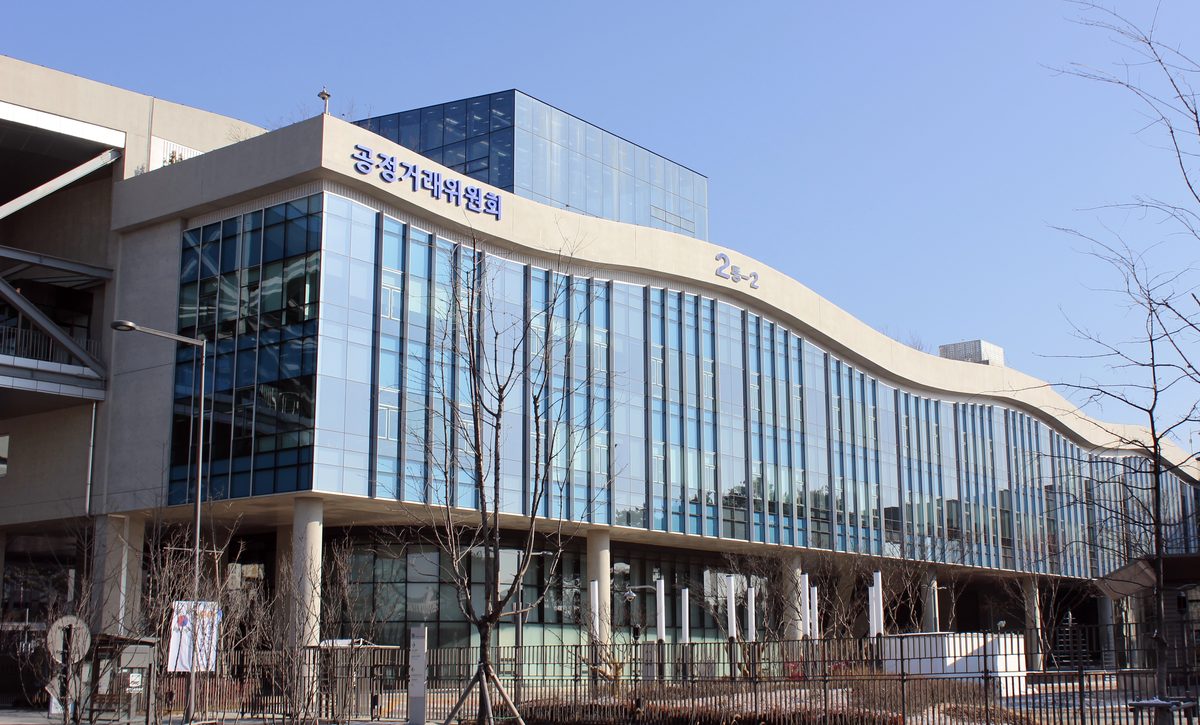
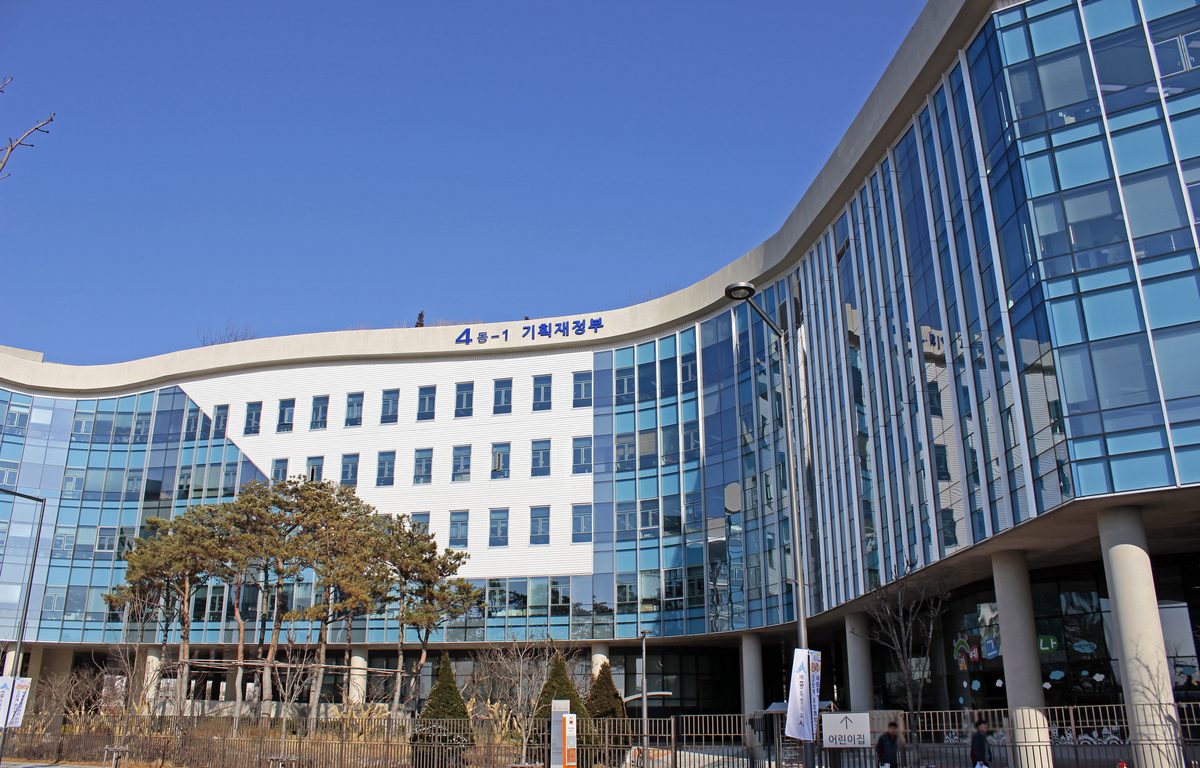
For three and a half years, the banks and brokers that buy South Korean government debt spoke by phone and Telegram in the minutes before auctions closed. On November 11, the Korea Fair Trade Commission (KFTC) put a price on that coordination: 1.63 trillion won, about $1.22 billion.

The regulator found the 15 firms fixed rates or volumes in 145 of 150 contested auctions between January 2020 and June 2023. The fine is the largest the KFTC has issued in a single case. It also lands as the finance ministry prepares to sell roughly 100 trillion won of new debt next year, which means the same dealers will be needed to buy it.

Why it matters

If the penalized dealers bid less aggressively, the government pays more to borrow and taxpayers cover the difference.

Questions about this story

Free account needed to ask — your question is kept and asked for you right after sign-up. Answers are public.

No questions yet — be the first to ask.

Key Indicators

$1.22B
Combined penalty
Imposed on 15 banks and securities firms for rigging Treasury bond auctions.
145
Auctions with agreed bids
Dealers fixed rates or volumes in advance in 145 of the 150 auctions where they coordinated.
75%
Share of primary dealers sanctioned
15 of the 20 firms designated to underwrite government bond issuance.
46.7%
Identical bids during collusion
Rate of matching bids in 47 two-firm auctions, against 8.5% outside the collusion period.
7
Criminal referrals
Firms reported to the Serious Crime Investigation Agency.
3.5 yrs
Length of the collusion
January 2020 to June 2023.

Voices

Curated perspectives — historical figures and your fellow readers.

Sign up to generate historical perspectives on this story.

People Involved

Organizations Involved

Timeline

January 2020 November 2026

4 events Latest: Today
Tap a bar to jump to that date
  1. Finance ministry promises bond-market communication rules

    Upcoming Policy

    Officials say guidelines separating legal market talk from collusion will be drawn up next year.

  2. Coordinated bidding ends

    Collusion

    The KFTC later counts 150 contested auctions touched by the arrangement over the 3.5-year span.

  3. Dealers begin coordinating Treasury bond bids

    Collusion

    Staff at the firms share intended rates and volumes by phone and Telegram shortly before auction deadlines.

Scenarios

1

Dealers sue and a court cuts the fine

Likely Resolves by Q2 2028

Discussed by: Yonhap Infomax, reporting that securities firms are preparing administrative lawsuits

The firms can challenge the decision in court, and the industry has signaled they will. Their central argument is that fines should be calculated from operating revenue rather than the face value of winning bids, a position the KFTC rejected. A court that accepts any part of that math would shrink the bill.

2

Finance ministry publishes rules on what dealers may share

Likely Resolves by End of 2027

Discussed by: Ministry of Economy and Finance officials, via The Asia Business Daily

The ministry says it will draft guidelines next year that draw a line between routine market communication and illegal coordination. The aim is to keep dealers bidding without legal fear. Whether the rules bind firms or only advise them will set how much protection they get.

3

A sanctioned dealer gives up primary dealer status

Possible Resolves by End of 2027

Discussed by: MoneyToday and The Asia Business Daily, citing market concern

Primary dealer status carries obligations: firms must underwrite at least 8% of each competitive issuance and hold inventory against interest-rate risk. A large fine plus tighter internal controls could make that obligation look expensive. The ministry has said it will weigh suspension or revocation only after the courts finish.

4

Prosecutors charge individuals at the seven referred firms

Uncertain Resolves by End of 2028

Discussed by: The Korea JoongAng Daily and Chosun Biz, reporting the criminal referrals

The KFTC sent seven firms to the Serious Crime Investigation Agency, citing how long they took part and how many auctions they touched. A criminal track opens the possibility of charges against named employees rather than corporate penalties alone, which would raise the personal cost of collusion.

Historical Context

2 moments from history that rhyme with this story — and how they unfolded.

2016

Qualcomm Korea fine (2016)

The KFTC fined Qualcomm 1.03 trillion won for abuse of its dominant market position. It stood as the agency's largest single-case penalty for a decade.

Then

Qualcomm contested the decision, and the dispute ran for years rather than ending with a payment.

Now

The case set the reference point every later KFTC penalty was measured against.

Why this matters now

It is the record the bond fine just broke, and a reminder that Korean antitrust penalties are usually fought in court before they are paid.

June 2012

LIBOR rigging settlements (2012)

Traders at major banks coordinated submissions to the London interbank offered rate, the benchmark that set pricing on trillions of dollars of loans. Barclays settled first with US and UK regulators.

Then

Banks paid billions in penalties and several traders faced criminal charges.

Now

Regulators rewrote how benchmarks are set, and LIBOR was retired in 2023.

Why this matters now

Same mechanism as Seoul's case: a small group of dealers influencing the reference price that everyone else pays.

Sources

(8)