




Pull to refresh
Logo
South Korean corporate surplus funds hit record high on chip boom

South Korean corporate surplus funds hit record high on chip boom

Money Moves

Household debt ratio falls to decade low as savers shift from deposits to stocks

Yesterday: BOK reports record Q2 corporate surplus

Overview

Updated Yesterday

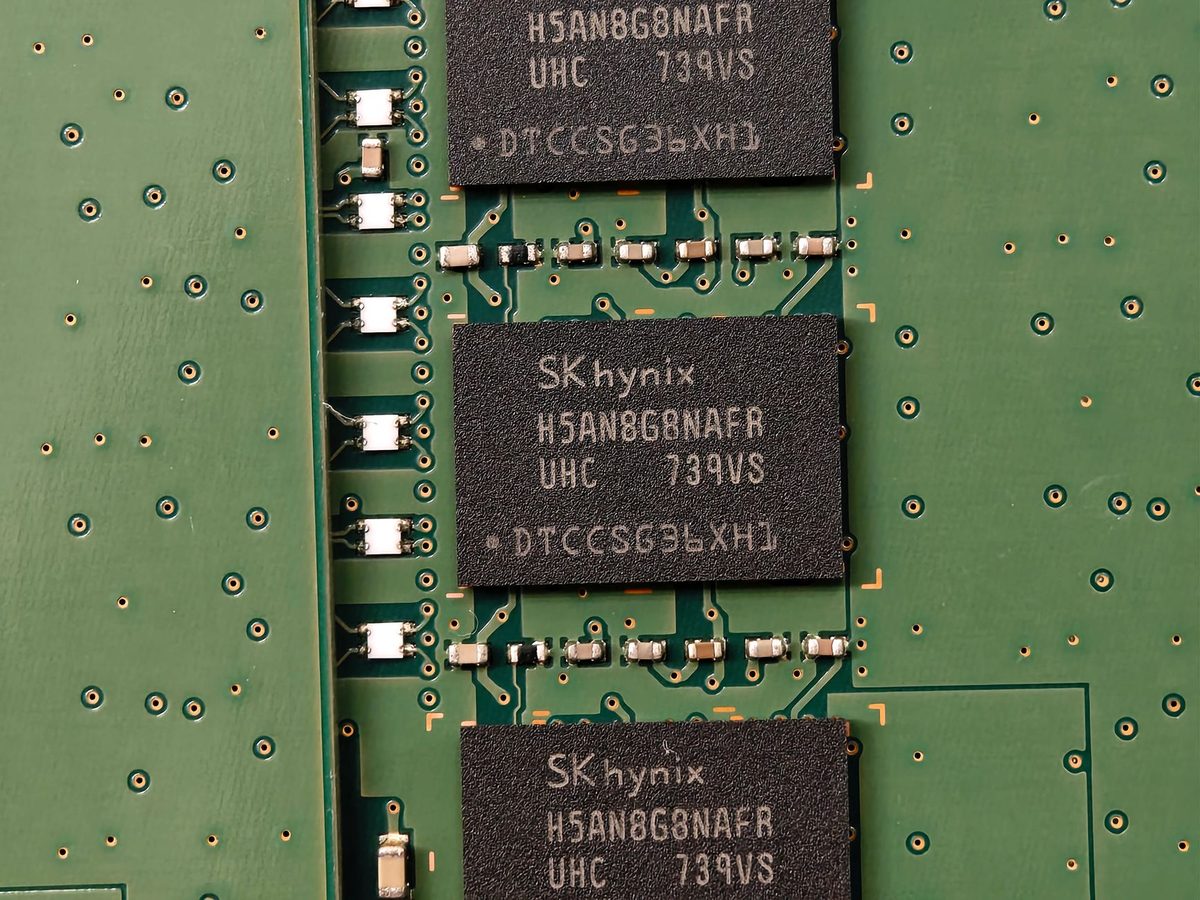
South Korean companies held 67.1 trillion won in surplus financial assets at the end of June, more than triple the record they set three months earlier. The Bank of Korea traced the surge to record profits at memory chip makers Samsung Electronics and SK hynix.

Households moved the opposite way. They pulled money out of bank deposits and put a record 101.6 trillion won into stocks and funds during a quarter when the Kospi rose about 68%. Deposits at financial institutions swung to a net outflow of 23.3 trillion won.

The same data showed household debt at 81.1% of GDP, the lowest since 2016, because nominal GDP grew 6.2% while debt grew just 1.1%. Both the record corporate cash pile and the falling debt ratio rest on chip prices staying high.

Why it matters

Korea's falling household debt and record corporate cash both hinge on chip prices holding up, so a downcycle would reverse both trends.

Questions about this story

Free account needed to ask — your question is kept and asked for you right after sign-up. Answers are public.

No questions yet — be the first to ask.

Key Indicators

67.1 trillion won
Corporate net surplus funds (Q2 2026)
Non-financial corporations' net lending, triple the Q1 record of 20.8 trillion won and the most since the BOK began compiling the data in 2009.
81.1%
Household debt as share of GDP
Down 4.2 percentage points from Q1's 85.3%; the lowest since the second quarter of 2016.
101.6 trillion won
Household investment in stocks and funds (Q2)
Up from 61.4 trillion won in Q1 as deposits at financial institutions swung to a net 23.3 trillion won outflow.
189 trillion won
Listed company net profit (Q2)
Up from 111 trillion won in Q1, led by Samsung Electronics and SK hynix.

Voices

Curated perspectives — historical figures and your fellow readers.

Ever wondered what historical figures would say about today's headlines?

Sign up to generate historical perspectives on this story.

People Involved

Organizations Involved

Timeline

2026 October 2026

2 events Latest: Yesterday
  1. BOK reports record Q2 corporate surplus

    Latest Data release

    Corporate net lending more than triples to 67.1 trillion won, the most since 2009; household debt-to-GDP falls to 81.1%, the lowest since 2016.

  2. Corporate surplus sets Q1 record

    Data release

    Non-financial corporations post 20.8 trillion won in net lending, a record at the time, as chip profits begin to surge.

Scenarios

1

Household debt ratio falls below 80% before year-end

Possible Resolves by Q1 2027

Discussed by: Kim Yong-hyun, Bank of Korea flow of funds team head

Nominal GDP grew 6.2% in Q2 while household debt grew just 1.1%, which is why the ratio fell to 81.1%. If that gap holds, the ratio crosses below 80% before the end of 2026, four years before the government's 2030 target. Kim said this is possible if the chip boom continues into the third quarter.

2

Memory chip downcycle ends the corporate cash record

Possible Resolves by Q1 2027

Discussed by: Observers citing Korea's history of semiconductor booms and busts

The record surplus depends on semiconductor profits, which have swung sharply with memory prices before. Past booms ended when supply caught up and DRAM and NAND prices fell, hitting Samsung and SK hynix earnings. A repeat would shrink corporate net lending and slow the fall in the household debt ratio.

3

Stock market correction hits households that left deposits

Uncertain Resolves by Q2 2027

Discussed by: Bank of Korea household asset data

Households moved a record 101.6 trillion won into equities and funds while pulling 23.3 trillion won from bank deposits after the Kospi surged about 68% in Q2. A sharp correction would erase part of that gain and reverse the improvement in the household assets-to-debt ratio, which rose to 2.78-to-1 from 2.60-to-1.

Historical Context

2 moments from history that rhyme with this story — and how they unfolded.

2017-2018

Korea's 2017-2018 memory chip supercycle

Samsung Electronics and SK hynix rode a global memory shortage to record profits as DRAM and NAND chip prices surged. Samsung's operating profit hit an all-time high, and the two companies together drove most of the gains in Korean corporate earnings.

Then

Memory prices collapsed in late 2018 as supply caught up, and Samsung's and SK hynix's profits fell sharply in 2019.

Now

The episode showed how much Korean corporate earnings depend on the memory chip price cycle.

Why this matters now

The Q2 2026 record surplus is driven by the same two chipmakers, so the same boom-and-bust pattern could apply.

2020-2021

Korea's 2020-2021 retail stock boom

Low interest rates and a tech-stock rally during the pandemic drew a wave of Korean retail investors out of bank deposits into equities. Individual investors' share of Korean stock trading hit records and household savings deposits shrank.

Then

The rally delivered big gains in 2020-2021 before the Kospi corrected in 2022 as global interest rates rose.

Now

Household exposure to equities rose permanently, and the episode raised concerns about savers moving money into volatile assets.

Why this matters now

The Q2 2026 household shift into stocks and funds echoes that wave, with the added support of the semiconductor boom.

Sources

(6)