
Pull to refresh
Logo
KIND recalls Oats & Honey granola over undeclared peanut risk

KIND recalls Oats & Honey granola over undeclared peanut risk

Rule Changes

Three production days of 17-ounce pouches, sold nationwide from late September to mid-November. One customer has reported an allergic reaction.

Overview

Updated 1 hour ago

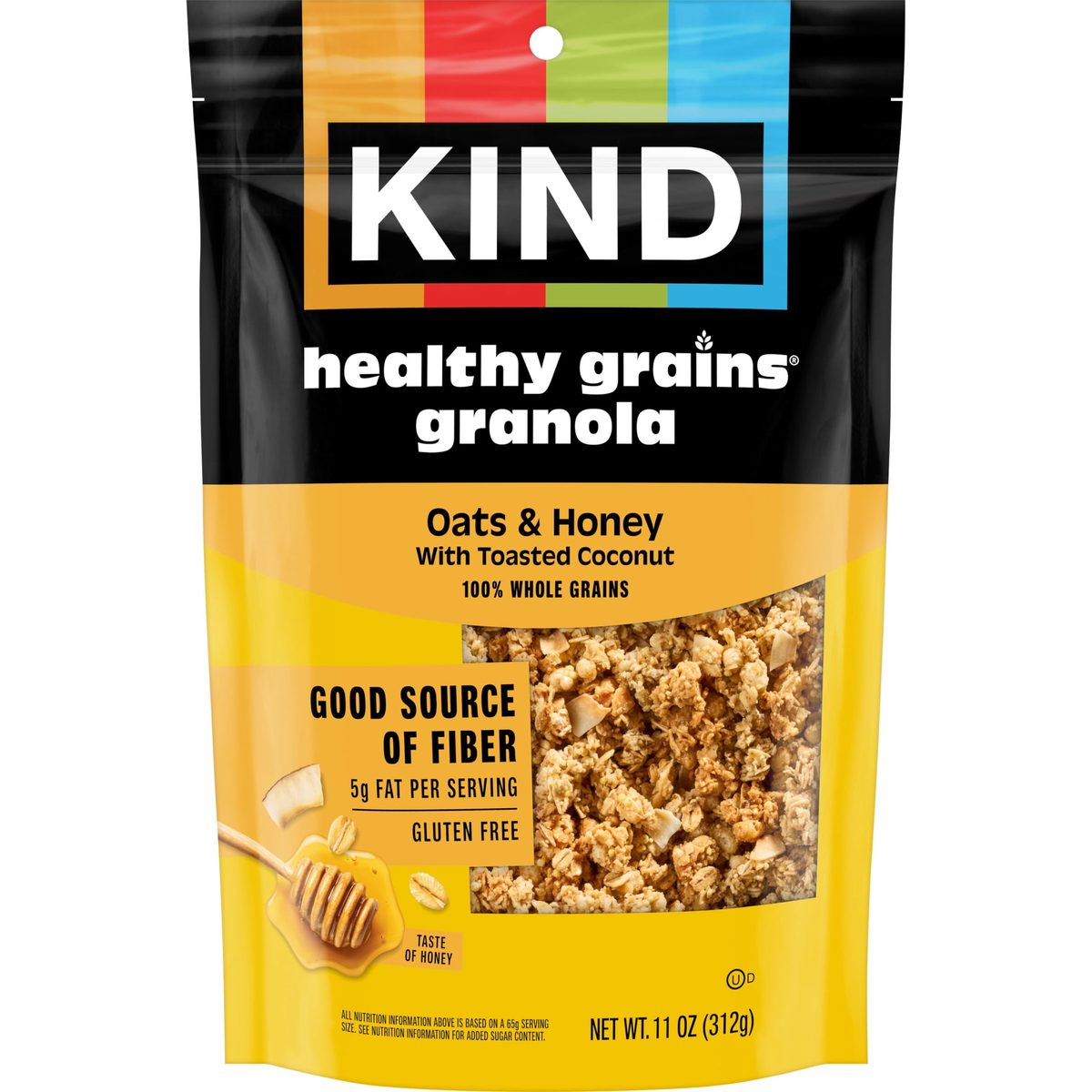
KIND recalled 17-ounce pouches of Oats & Honey with Toasted Coconut Granola on November 27 because the product may contain peanuts it does not list. Three lot codes shipped nationwide between September 29 and November 16, and one customer has reported an allergic reaction.

This is the second recall of this same granola for an undeclared allergen. In July 2020 the culprit was sesame, packed into new bags that named it only under 'May Contain.' KIND has not said how peanuts reached the 2026 batch, leaving open whether one production line slipped or a supplier did.

Why it matters

Peanut allergy can become life-threatening within minutes. A pouch that does not say so turns breakfast into a risk shoppers cannot see.

Questions about this story

Free account needed to ask — your question is kept and asked for you right after sign-up. Answers are public.

No questions yet — be the first to ask.

Key Indicators

3
Lot codes recalled
CS26245L7, CS26246L7 and CS26247L7, covering three production days.
1
Reported allergic reaction
KIND had received one consumer complaint of a reaction when it announced the recall.
6 years
Since the last recall of this granola
KIND pulled the same Oats & Honey with Toasted Coconut line in July 2020 for undeclared sesame.
454
Food allergen recalls logged in 2026
Official recalls posted by agencies in the US, Canada, UK, Europe, Australia and New Zealand, per Recall Atlas as of November 27.

Voices

Curated perspectives — historical figures and your fellow readers.

Sign up to generate historical perspectives on this story.

People Involved

Organizations Involved

Timeline

July 2020 November 2026

4 events Latest: Yesterday
Tap a bar to jump to that date
  1. KIND announces peanut recall

    Latest Recall

    Three lot codes pulled; one consumer complaint of an allergic reaction reported.

  2. Last shipment of the three lot codes

    Distribution

    Distribution to retailers ended, per KIND's recall notice.

  3. Affected pouches enter nationwide distribution

    Distribution

    The first day the recalled 17-ounce granola shipped to retailers.

  4. KIND recalls the same granola over sesame

    Recall

    Old recipe with sesame seeds went into new pouches that named sesame only under 'May Contain.'

Scenarios

1

FDA classifies the recall and the lot list holds

Likely Resolves by Feb 26, 2027

Discussed by: Recall Atlas, which logs allergen recalls as regulators publish them

FDA normally posts an enforcement report within weeks to a few months and assigns a class based on how likely the hazard is to cause serious harm. An undeclared major allergen in food sold nationwide often draws the most severe tier, Class I. This path needs no new events: the recall stays as announced and the agency simply files it.

2

Recall widens to more production dates

Unlikely Resolves by Q1 2027

Discussed by: No public forecaster has published a view; the trigger is the pattern of comparable allergen recalls

KIND says only three production days are affected. Recalls usually widen when the problem traces to a shared ingredient rather than a single production line, because then earlier and later batches carry the same risk. An expanded notice would name new lot codes or best-by dates and would change the exposure from a few days of output to a longer stretch.

3

A shopper sues KIND over a peanut reaction

Possible Resolves by Q2 2027

Discussed by: No named plaintiff firm has filed anything publicly; the possibility rests on the one reported reaction

The single reported reaction gives a potential plaintiff a documented injury, and published lot codes make it easier to tie a specific pouch to an illness. A suit would have to show the person ate the recalled product and reacted. Filing one is the measurable event; a lawyer soliciting clients is not.

Historical Context

3 moments from history that rhyme with this story — and how they unfolded.

July 2020

KIND's sesame recall of the same granola (2020)

KIND recalled Oats & Honey Granola with Toasted Coconut in 11- and 17-ounce pouches after an older recipe containing sesame went into new packaging that named sesame only under 'May Contain.' FDA logged 142,273 cases plus 484 individual pouches, distributed to retailers in dozens of states.

Then

KIND said it had already decided to drop sesame from the recipe; no allergic reactions were reported.

Now

The recall illustrated a specific failure: contents and packaging ran on different schedules.

Why this matters now

Same product, same failure mode. Six years later the undeclared allergen is peanut, and this time a reaction has been reported.

January 2021

The FASTER Act (2021)

Congress added sesame to the list of major food allergens that must be named on US labels, the first addition since the original eight were set in 2004. Labels had to comply from January 1, 2023.

Then

Companies that had relied on 'may contain sesame' lines had to declare it as an ingredient.

Now

Sesame moved from a caution line to a required disclosure, which raised the stakes on any labeling mistake involving it.

Why this matters now

The 2020 KIND recall was lawful in its day and would not be now. Peanut has been a required label item since 2006, which makes this a different kind of failure.

2008-2009

Peanut Corporation of America (2009)

Salmonella in peanut butter and paste from a Georgia plant killed nine people and sickened hundreds, forcing a recall of thousands of peanut-containing products. Investigators found the company had shipped goods that tested positive.

Then

The plant closed and its owner was later sentenced to federal prison.

Now

Congress passed the Food Safety Modernization Act in 2011, requiring food plants to identify hazards, allergens included, and control them.

Why this matters now

That law is why an undeclared allergen counts as a hazard a plant must control, not a typo on a label.

Sources

(5)