



Pull to refresh
Logo
Kurdistan pulls three weight-loss products over hidden sibutramine

Kurdistan pulls three weight-loss products over hidden sibutramine

Rule Changes

Lab tests found a banned appetite suppressant that none of the three labels listed, in products sold for about a decade.

Overview

Updated 1 hour ago

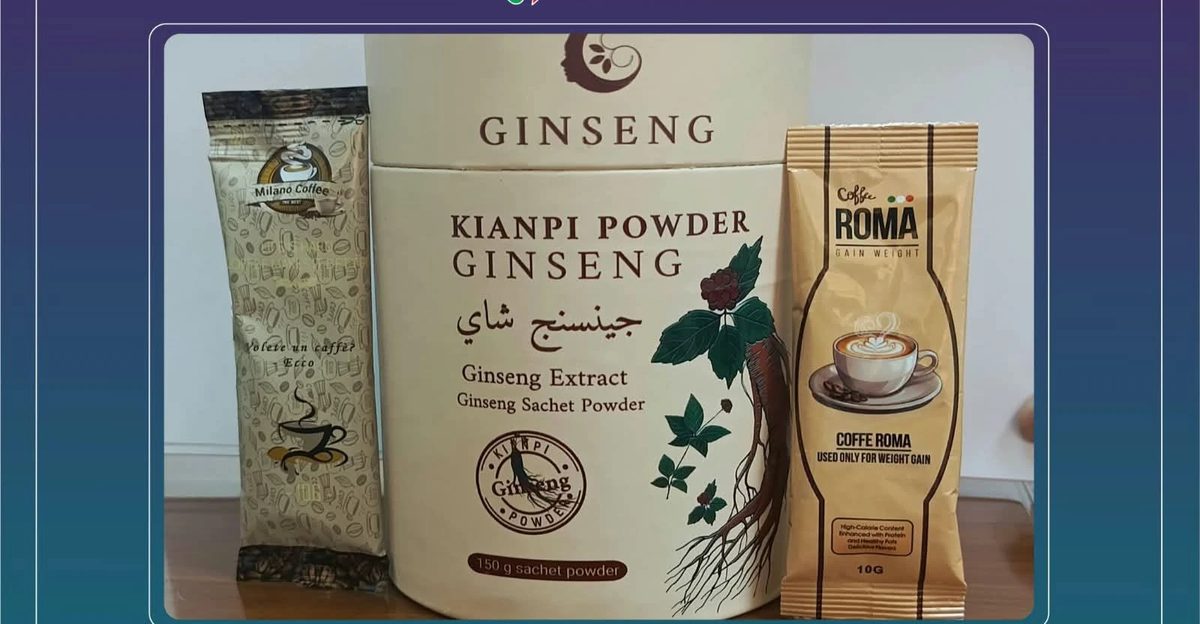
Kurdistan's medicines regulator ordered three weight-loss products off shelves on November 15 after lab tests found sibutramine, a banned appetite suppressant, inside them. None of the three — Roma coffee, Milano coffee and ginseng tea — listed the drug on its packaging.

The products had been sold in pharmacies and online in the Kurdistan Region for about ten years, according to the agency's head of pharmaceutical awareness. Their withdrawal shows how a supplement can pass initial checks and still carry an undeclared prescription drug years later.

Why it matters

Weight-loss coffees and teas sold online can carry undeclared prescription drugs; this one was pulled from world markets in 2010.

Questions about this story

Free account needed to ask — your question is kept and asked for you right after sign-up. Answers are public.

No questions yet — be the first to ask.

Key Indicators

3
Products withdrawn
Roma coffee, Milano coffee and ginseng tea.
~10 years
Time on sale before withdrawal
Sold in pharmacies and online in the Kurdistan Region, according to the agency.
2010
Year sibutramine left US and EU markets
The US Food and Drug Administration and the European Medicines Agency cited heart attack and stroke risk.

Voices

Curated perspectives — historical figures and your fellow readers.

Sign up to generate historical perspectives on this story.

People Involved

Organizations Involved

Timeline

2010 November 2026

2 events Latest: Today
  1. Kurdistan orders three supplements withdrawn

    Today Regulatory

    Laboratory tests found undeclared sibutramine in Roma coffee, Milano coffee and ginseng tea; pharmacies told to stop selling.

  2. Sibutramine pulled from US and European markets

    Regulatory

    US and European regulators withdrew the obesity drug after clinical evidence linked it to heart attacks and strokes.

Scenarios

1

Kurdistan tests more imported supplements and pulls another product

Possible Resolves by Q1 2027

Discussed by: Kurdistan 24 and Shafaq, citing the agency's statements about continuing market monitoring

The agency says its surveillance teams sample supplements already on sale. If the sibutramine finding came from routine re-testing rather than a single tip, other imported weight-loss products could fail the same checks. That would mean more withdrawals and a broader review of supplements that cleared earlier approvals.

2

Kurdistan announces penalties against the importer or manufacturer

Uncertain Resolves by Q2 2027

Discussed by: The agency's own warning that violators face legal penalties

The withdrawal notice said pharmacies and warehouses that keep selling would face legal consequences, but said nothing about the manufacturer and importer that omitted the drug from product documents. A follow-up case against either company would turn a product recall into an enforcement action.

3

The three products return to shelves

Unlikely Resolves by Q2 2027

Discussed by: No public advocate has argued for reversal; the agency's own testing is the basis for the ban

The products had received sales authorisation and had been sold for about a decade. A reversal would require the agency to accept a reformulated product or set aside its own lab results, neither of which it has signalled.

Historical Context

3 moments from history that rhyme with this story — and how they unfolded.

2010

Sibutramine withdrawal (2010)

Sibutramine, sold as Meridia and Reductil, was an approved obesity drug. A large clinical trial found more heart attacks and strokes among users than among people taking a placebo.

Then

The US Food and Drug Administration asked the maker to withdraw it, and the European Medicines Agency recommended suspending its authorisations.

Now

The drug stayed on the banned list, which is why its presence in a supplement counts as an undisclosed pharmaceutical rather than a labelling slip.

Why this matters now

Kurdistan's regulator cited exactly this history when explaining why the three products had to come off shelves.

September 1997

Fen-phen withdrawal (1997)

Combinations of fenfluramine and phentermine were widely prescribed for weight loss. Echocardiogram studies found valvular heart disease in a large share of users.

Then

The FDA asked manufacturers to withdraw fenfluramine and dexfenfluramine from the market.

Now

The episode became the standard example of appetite-suppressant drugs carrying hidden cardiac risk.

Why this matters now

Sibutramine followed the same pattern: a weight-loss drug that looked effective until heart data arrived.

December 2003 - April 2004

Ephedra ban in supplements (2003-2004)

The FDA moved to ban ephedra alkaloids from dietary supplements after reports of deaths and injuries, including among young athletes.

Then

A federal court upheld the ban in 2005.

Now

It set the precedent that supplement ingredients can be prohibited when they pose an unreasonable risk.

Why this matters now

It shows regulators can act on a supplement ingredient directly, without waiting on the manufacturer to relabel.

Sources

(5)