
Pull to refresh
Logo
Clark County completes Western Beltway Trail safety project

Clark County completes Western Beltway Trail safety project

Built World Las Vegas, NV local

$18.7 million in RTC-funded work adds Charleston Boulevard undercrossings and a 1,635-foot link that makes the southwest valley trail continuous

Overview

Updated 1 hour ago

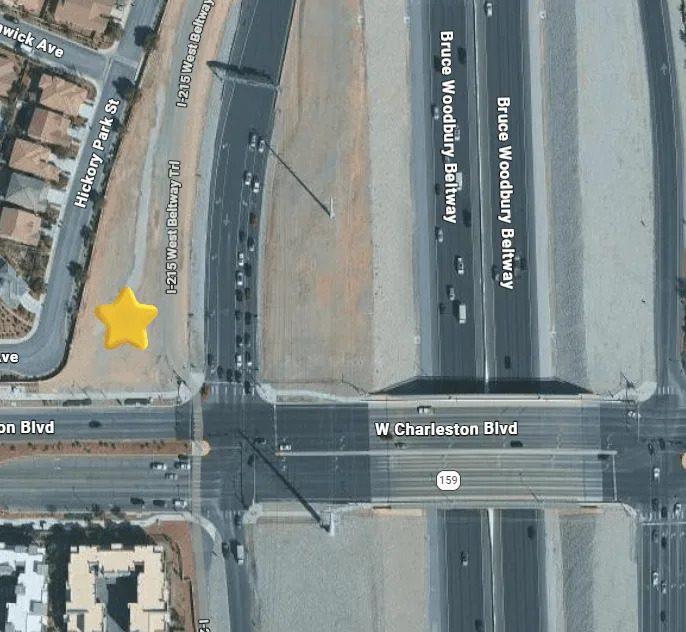
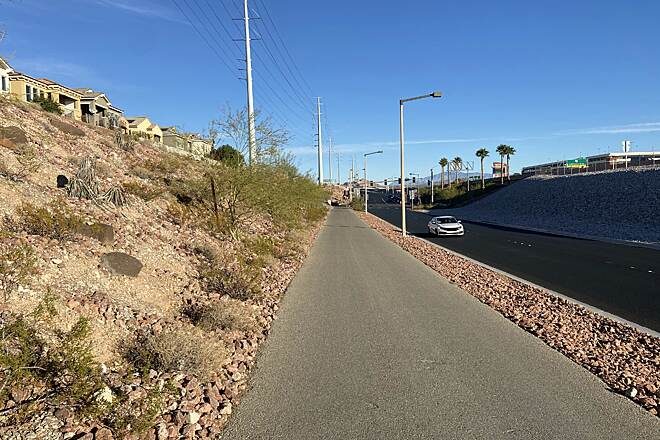
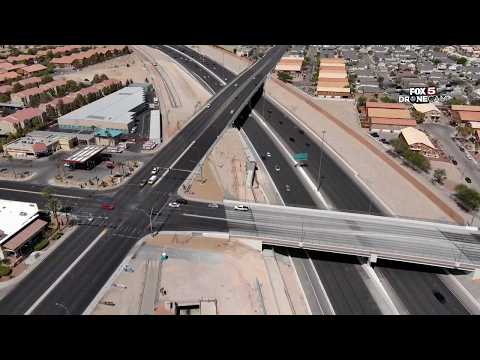
The Western Beltway Trail runs alongside the CC-215 freeway in southwest Las Vegas, but it had two breaks: a street-level crossing at Charleston Boulevard and a missing link between Peace Way and Fort Apache Road. Clark County has finished $18.7 million of work that closes both. A ribbon-cutting is set for 8 a.m. Thursday, Nov. 19, at West Charleston Boulevard and the beltway.

The Regional Transportation Commission of Southern Nevada paid for the project, and Las Vegas Paving is named among the participants. The visible result is modest: undercrossing tunnels at Charleston and 1,635 feet of new pavement. The functional result is a trail that runs continuously through the southwest valley instead of sending users across a major arterial.

Why it matters

The Charleston undercrossings and new link turn separate paved segments into one continuous southwest valley route.

Last Monday's email for Las Vegas, NV

Sent Nov 16. It carried:

Get next Monday's: one short email a week. Free. Unsubscribe in one click.

Questions about this story

Free account needed to ask — your question is kept and asked for you right after sign-up. Answers are public.

No questions yet — be the first to ask.

Key Indicators

$18.7M
Project cost
Funded by the Regional Transportation Commission of Southern Nevada.
1,635 ft
New trail segment
Connects the existing trail south of Peace Way to the segment north of Fort Apache Road.

Voices

Curated perspectives — historical figures and your fellow readers.

Sign up to generate historical perspectives on this story.

People Involved

Organizations Involved

Timeline

1 event Latest: Yesterday
  1. Clark County announces Western Beltway Trail completion

    Latest Infrastructure

    Ribbon-cutting scheduled for 8 a.m. Thursday at West Charleston Boulevard and the beltway.

Scenarios

1

Clark County builds the next Western Beltway Trail gap

Possible Resolves by End of 2027

Discussed by: Local trail advocates and county capital-planning watchers

The 1,635-foot link closed one break in a corridor that has been assembled in pieces. If Public Works advertises or awards a contract for another beltway trail segment, this resolves yes. The trigger would be a new line in the county's capital project listings or a construction notice.

2

RTC commits new money to the beltway trail corridor

Possible Resolves by Q2 2027

Discussed by: Regional transportation budget observers

The RTC funded this $18.7 million phase. Its board sets the region's transportation budget, so any new allocation for trail work along CC-215 would appear on a public agenda. A vote approving additional Western Beltway Trail funding would resolve this yes.

3

The Charleston work stands as the corridor's last major project for years

Possible Resolves by Q2 2028

Discussed by: Local government watchers tracking competing road and transit priorities

Trail money competes with road capacity and transit in the RTC budget, and the county has many unfinished trail segments. If no new beltway trail phase is funded or advertised by mid-2028, this phase remains the corridor's most recent major investment.

Historical Context

2 moments from history that rhyme with this story — and how they unfolded.

2008-2010

Flamingo Arroyo Trail buildout (2008-2010)

Clark County opened the easternmost 2.5 miles of the Flamingo Arroyo Trail between Vegas Valley and the Sunrise Trailhead in 2008. In fall 2010 the county added trailheads, benches, signs, entry archways and shade shelters along portions of the route.

Then

The new segments connected the trail to the Clark County Wetlands Park and, from there, to trails in Henderson and the River Mountains Loop Trail.

Now

The county now lists the Flamingo Arroyo as part of the Las Vegas Valley primary trails network, assembled one segment at a time over years.

Why this matters now

The Western Beltway is being built the same way: a segment here, an undercrossing there, until the pieces connect into a route someone can actually ride.

December 1991

Intermodal Surface Transportation Efficiency Act (1991)

The federal transportation law created the Transportation Enhancements program, which set aside a tenth of Surface Transportation Program money for projects other than new road capacity, including bicycle and pedestrian trails.

Then

Metropolitan planning organizations gained a dedicated pot of federal money for trail construction.

Now

Trails became a routine line item in regional transportation budgets rather than a parks-department extra.

Why this matters now

The Western Beltway project was paid for by the RTC, the regional body that programs transportation money. That arrangement traces back to the structure this law set up.

Sources

(2)