
Pull to refresh
Logo
Southern Nevada moves to one-day-a-week winter watering

Southern Nevada moves to one-day-a-week winter watering

Rule Changes Las Vegas, NV local

The one-day schedule runs through Feb. 28. Fines for decorative grass, once set for Jan. 1, would now wait until 2028 under a proposal.

Overview

Updated 4 days ago

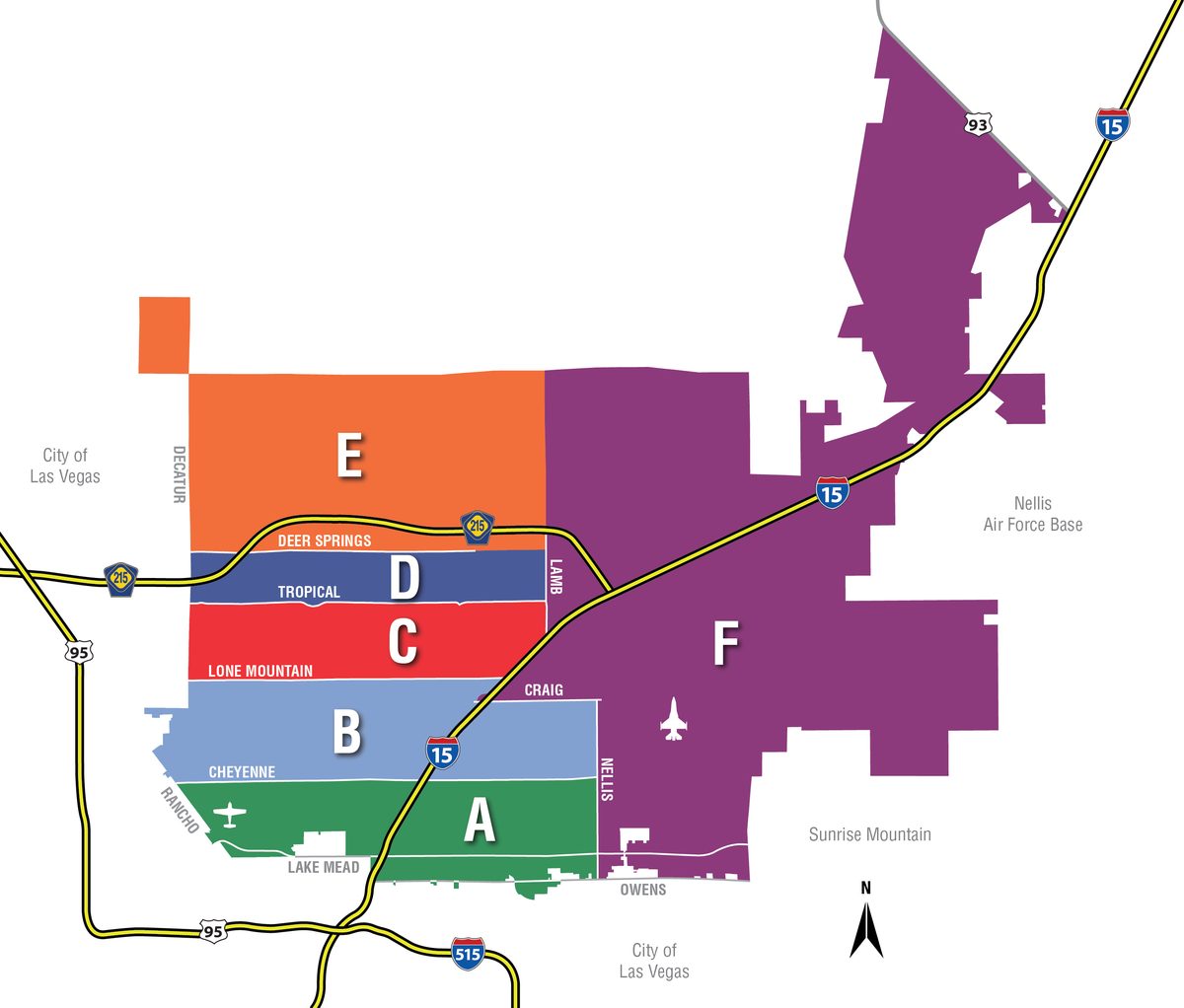
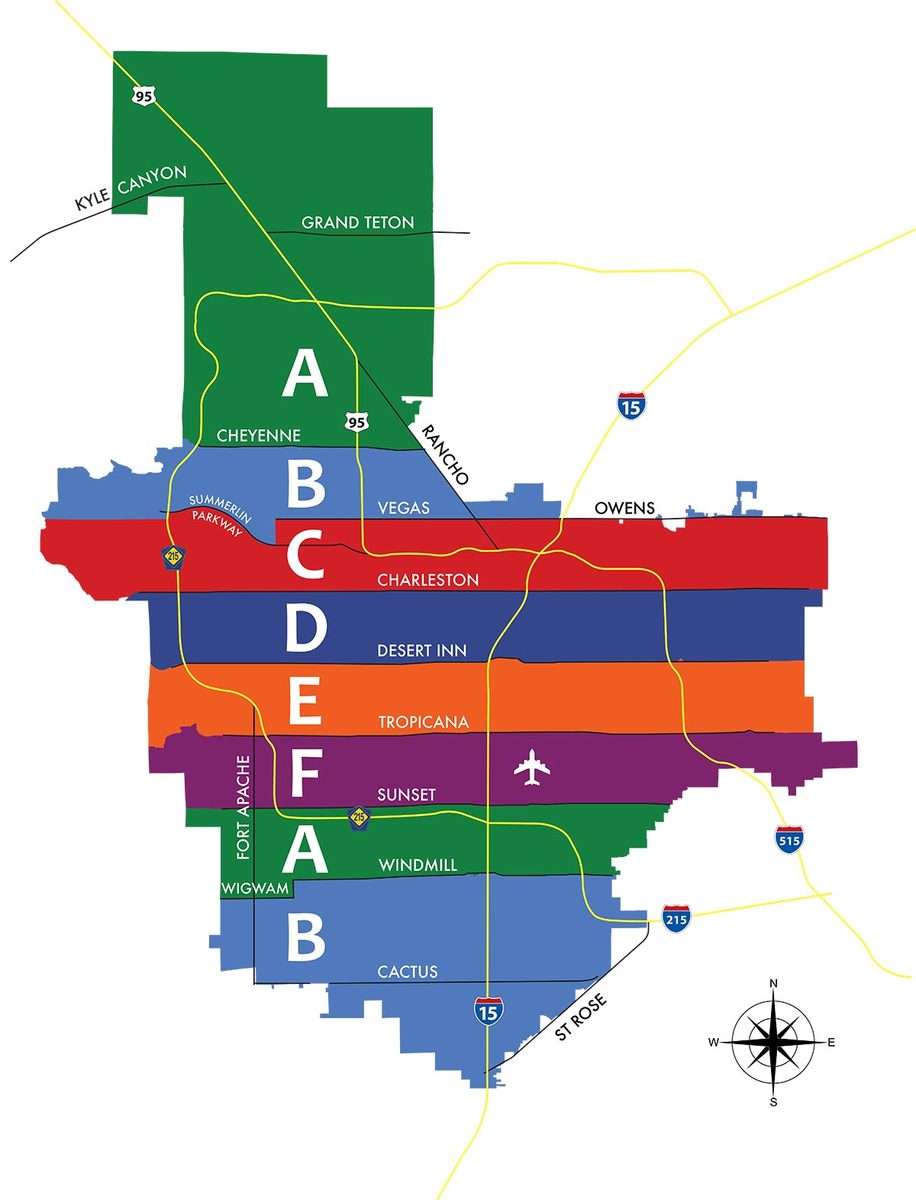
Southern Nevada's one-day-a-week winter watering schedule is in effect through Feb. 28. Sprinklers may run only on a household's assigned day, and never on Sunday.

The fight over decorative grass moved this week. On Nov. 10, the Southern Nevada Water Authority asked a judge to let turf enforcement continue while it proposes delaying water-waste fines to Jan. 1, 2028. Its board votes on that plan Nov. 19, and the Las Vegas Valley Water District holds a Dec. 1 hearing on rules that would treat watering nonfunctional turf as water waste.

Why it matters

Your sprinkler clock must match your assigned day through February, and the fight over decorative-grass fines now points to 2028.

Last Monday's email for Las Vegas, NV

Sent Nov 9. It carried:

Get next Monday's: one short email a week. Free. Unsubscribe in one click.

Questions about this story

Free account needed to ask — your question is kept and asked for you right after sign-up. Answers are public.

No questions yet — be the first to ask.

Key Indicators

1
Assigned sprinkler day per week in winter
From Nov. 1 through Feb. 28, municipal customers may sprinkler irrigate only on their assigned day.
60%
Southern Nevada water used outdoors
Outdoor use evaporates and is counted against the region's Colorado River allowance.
$300
Potential annual household savings
SNWA says following seasonal watering rules can save the average customer this much.
120
Winter schedule length
One-day-a-week restrictions run Nov. 1 through Feb. 28.
2028
Turf fines proposed start
SNWA wants member agencies to hold off water-waste fines for nonfunctional grass until Jan. 1, 2028, pending a Nov. 19 board vote.
1,400
Properties that may still have nonfunctional turf
Las Vegas Valley Water District estimate as of Nov. 10, 2026.

Voices

Curated perspectives — historical figures and your fellow readers.

Sign up to generate historical perspectives on this story.

Organizations Involved

Timeline

October 2026 February 2027

6 events Latest: 5 days ago
Tap a bar to jump to that date
  1. Winter watering schedule ends

    Upcoming Rule Change

    The one-day schedule is set to expire, with spring restrictions beginning March 1.

  2. Water district proposes treating decorative-grass watering as water waste

    Latest Rule Change

    The Las Vegas Valley Water District put forward service rules that would classify irrigating nonfunctional turf as water waste, with fees from $80 to $5,120, and let unpaid tenant bills move to property owners. A public hearing is set for Dec. 1.

  3. One-day-a-week winter watering begins

    Rule Change

    Sprinkler irrigation is limited to one assigned day per week, with Sunday watering prohibited.

  4. SNWA reminds customers to reset irrigation clocks

    Reminder

    The authority says winter restrictions begin Nov. 1 and urges residents and businesses to change schedules.

Scenarios

1

Winter restrictions end and spring schedule returns

Likely Resolves by Mar 1, 2027

Discussed by: SNWA's published seasonal schedule

The agency's schedule lists March 1 through April 30 as a three-day-per-week period. Unless SNWA changes the calendar, customers return to three assigned sprinkler days.

2

SNWA adds new winter enforcement or fee schedule

Unlikely Resolves by Feb 28, 2027

Discussed by: No cited source predicts this

The current schedule allows water-waste fees or citations for off-schedule watering. A new policy would require an SNWA board action or official notice beyond the existing reminder.

3

Nevada's 2027 nonfunctional grass ban takes effect

Likely Resolves by End of 2027

Discussed by: SNWA conservation page

A state law bars Colorado River water for nonfunctional grass at commercial, multi-family, government and other covered properties beginning in 2027. Homeowners' yards, cemeteries and recreational grass at schools and parks are excluded.

4

Judge pauses nonfunctional-grass enforcement before Jan. 1 fines

Deadline passed (Nov 13, 2026)

Discussed by: Attorneys for the plaintiffs challenging the 2021 turf law

Judge Anna Albertson is weighing a request to stop the Southern Nevada Water Authority and its member agencies from enforcing the turf-removal law while the lawsuit proceeds. The authority has proposed pushing water-waste fines to Jan. 1, 2028, a plan its board will consider Nov. 19.

5

SNWA board approves delay of turf fines to 2028

Likely Resolves by Nov 19, 2026

Discussed by: Southern Nevada Water Authority

The authority plans to ask its board on Nov. 19 to approve a resolution setting waiver and appeal deadlines and having member agencies hold off water-waste fines until Jan. 1, 2028. Approval would not resolve the lawsuit challenging the 2021 turf law.

Historical Context

2 moments from history that rhyme with this story — and how they unfolded.

2017-2018

Cape Town Day Zero (2017-2018)

Cape Town faced a severe drought and imposed increasingly tight water restrictions. In early 2018, residents were limited to 50 liters per person per day as the city prepared for 'Day Zero,' when taps would be shut off.

Then

Residents cut use enough that Day Zero was avoided.

Now

The episode became a widely cited case of using public restrictions and messaging to avoid a water emergency.

Why this matters now

Southern Nevada's seasonal schedule relies on a similar mechanism: fixed watering days and public reminders to cut outdoor use before shortages worsen.

2014-2017

California drought emergency (2014-2017)

Governor Jerry Brown declared a drought emergency in 2014 and in 2015 ordered a 25 percent cut in urban water use.

Then

Cities imposed restrictions on outdoor watering and met the target.

Now

The rules eased after wet winters but changed how California utilities plan for drought.

Why this matters now

California's experience shows how outdoor watering limits become a first-line tool because outdoor use is often the largest discretionary share.

Sources

(8)