


Pull to refresh
Logo
Koreatown's Tiger's Den secures beer-and-wine license

Koreatown's Tiger's Den secures beer-and-wine license

New Capabilities Los Angeles, CA local

Type 41 license allows on-sale beer and wine at an eating place — a step toward opening, not full bar service

August 28th, 2026: California ABC issues Type 41 license

Overview

Updated 1 hour ago

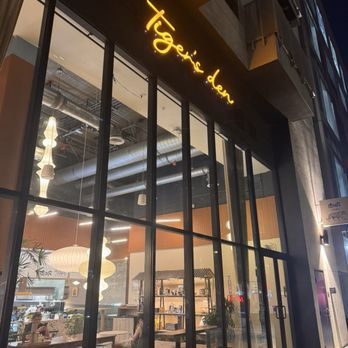
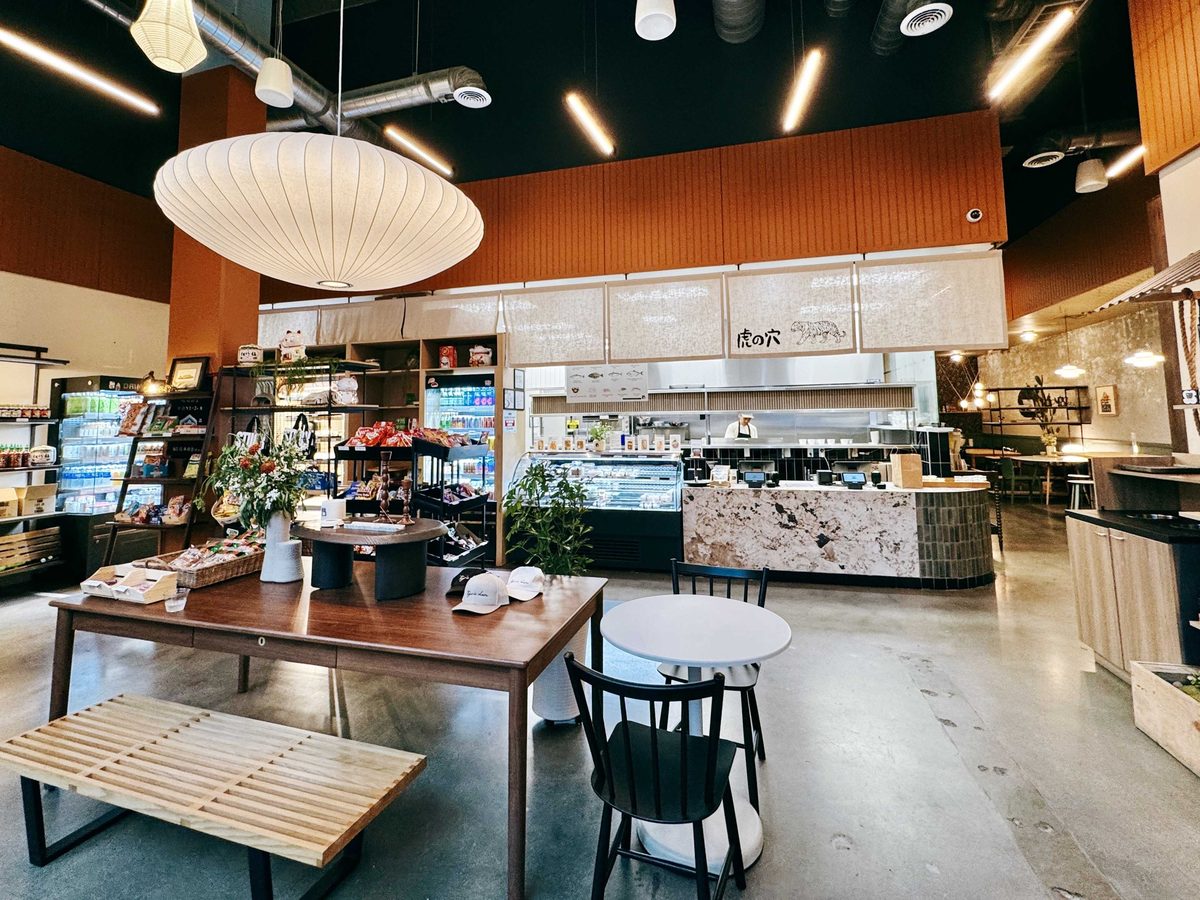
Tiger's Den, a new business in Los Angeles's Koreatown, obtained a California ABC license to sell beer and wine on its premises. The Type 41 license, approved August 28, 2026, covers an eating place, so the business must serve food alongside drinks.

The license is one approval among several needed to open; it does not mean the doors are open. It does confirm that when Tiger's Den launches, it can pour beer and wine — but not distilled spirits.

Why it matters

Tiger's Den can pour beer and wine but not spirits — a limit that shapes what Koreatown diners can order when it opens.

Questions about this story

Free account needed to ask — your question is kept and asked for you right after sign-up. Answers are public.

No questions yet — be the first to ask.

Key Indicators

Type 41
License type
On-sale beer and wine for an eating place — no distilled spirits allowed.
Active
License status
California ABC record shows the license active as of August 28, 2026.

Voices

Curated perspectives — historical figures and your fellow readers.

Ever wondered what historical figures would say about today's headlines?

Sign up to generate historical perspectives on this story.

Organizations Involved

Timeline

1 event Latest: August 28th, 2026 · 3 weeks ago
  1. California ABC issues Type 41 license

    Latest Regulatory approval

    Tiger's Den receives on-sale beer-and-wine license for its Koreatown eating place.

Scenarios

1

Tiger's Den opens in Koreatown

Likely Resolves by End of 2026

Discussed by: The business's own directory listings signal intent to open; no independent analyst coverage has emerged for a licensing-only filing.

Tiger's Den completes its remaining permits, opens to customers, and starts serving beer and wine with food. The eating-place requirement means it runs a kitchen, not a pure bar.

2

Tiger's Den upgrades to a full liquor license

Possible Resolves by Q2 2027

Discussed by: Common path for LA venues that start with beer and wine; driven by the high cost of full-liquor quota licenses.

After opening, Tiger's Den applies for a Type 47 or 48 on-sale general license to serve distilled spirits. That license is population-capped and expensive, so the upgrade would mark a significant investment.

3

Tiger's Den license lapses; business never opens

Possible Resolves by Q2 2027

Discussed by: Possibility given that a liquor license is only one of many required approvals; no opening date has been announced.

Tiger's Den fails to secure other permits, runs out of runway, or decides not to proceed. The ABC license is cancelled, expires, or is surrendered without the doors ever opening.

Historical Context

2 moments from history that rhyme with this story — and how they unfolded.

1955–present

California's liquor licensing quota system (since 1955)

The Alcoholic Beverage Control Act set up a licensing system that caps certain license types by county population. On-sale general (full-liquor) licenses are the scarce ones; in dense counties they are hard to get and trade at a premium. Beer-and-wine eating-place licenses are far more available.

Then

New restaurants seeking to serve alcohol usually start with beer and wine to avoid the cost and wait of a full-liquor license.

Now

The quota structure persists today and continues to shape which new bars open and what they serve.

Why this matters now

Explains why Tiger's Den holds a beer-and-wine license rather than a full bar license.

2000s–present

LA County liquor license auctions

When demand for full-liquor licenses exceeds the county population cap, California has auctioned released licenses in places including Los Angeles. These auctions give restaurants and bars a way to buy the right to serve spirits.

Then

Winning bidders gain the right to serve distilled spirits, often at substantial cost.

Now

The market for these licenses means many LA venues debut with beer and wine and upgrade only if they can afford a full-liquor license.

Why this matters now

Frames the likely next step if Tiger's Den wants to serve cocktails — a costly upgrade, not a simple form.

Sources

(3)