



Pull to refresh
Logo
Yamanashi to charge Mount Fuji climbers for off-season rescues

Yamanashi to charge Mount Fuji climbers for off-season rescues

Rule Changes

Climbers who skip filing plans or ignore safety advice will pay for helicopter rescues starting September 2027.

Today: Rescue fee policy gains national attention

Overview

Updated 59 minutes ago

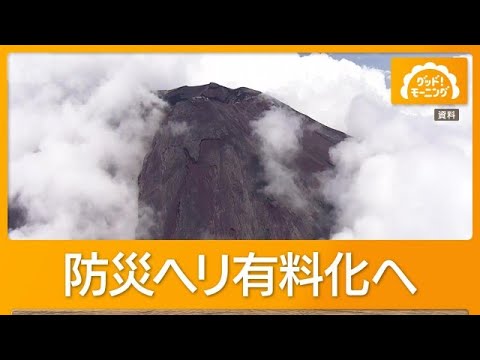
From September 2027, off-season Mount Fuji climbers who need helicopter rescue will pay for it. The fee runs about 8,000 yen ($51) per five minutes of flight time, charged only to climbers who skip filing an off-season plan or ignore safety advice from Yamanashi prefecture.

The policy shifts rescue costs from Japanese taxpayers to climbers who ignore warnings on the country's highest peak. Yamanashi, which governs the mountain's north side, logged 21 accidents and four deaths in the seven years to 2025, and officials blame a rise in unplanned off-season ascents.

Why it matters

Ignoring off-season warnings on Mount Fuji will cost climbers thousands of yen in rescue fees, shifting the burden from taxpayers and deterring reckless ascents.

Questions about this story

Free account needed to ask — your question is kept and asked for you right after sign-up. Answers are public.

No questions yet — be the first to ask.

Key Indicators

¥8,000 / 5 min
Helicopter rescue fee rate
Per five minutes of flight time for prefectural disaster-response helicopters, modeled on Saitama prefecture's tariff.
21
Climbing accidents on Yamanashi side, 2018–2025
Reported in the seven years to 2025, with four deaths, on the northern side of Mount Fuji.
200,000+
Annual climbers during official season
The official climbing window runs from July to early September each year.
Sept 2027
Expected start of fee system
Yamanashi plans to deploy barricades and sensors on trails before the first off-season under the new rules.

Voices

Curated perspectives — historical figures and your fellow readers.

Ever wondered what historical figures would say about today's headlines?

Sign up to generate historical perspectives on this story.

People Involved

Organizations Involved

Timeline

April 2018 September 2027

5 events Latest: Today
Tap a bar to jump to that date
  1. Fee system expected to take effect

    Upcoming Policy Implementation

    Yamanashi plans to deploy barricades and sensors on trails before the first off-season under the new fee regime begins.

  2. Rescue fee policy gains national attention

    Today Policy

    BBC and other outlets report Yamanashi's plan to charge off-season climbers for helicopter rescues, with the system expected to take effect in September 2027.

  3. Yamanashi announces rescue fee plan

    Policy Announcement

    Governor Kotaro Nagasaki proposes charging off-season climbers about 8,000 yen per five minutes of helicopter rescue time if they fail to file climbing plans.

  4. Chinese student rescued twice on Mount Fuji

    Incident

    A Chinese university student is rescued twice within days during off-season climbs on Shizuoka's side, drawing public attention to reckless ascents.

  5. Saitama introduces rescue charges

    Policy

    Saitama becomes Japan's first prefecture to bill climbers for helicopter rescues after a 2017 crash killed five crew members.

Scenarios

1

Yamanashi fee system goes live in September 2027

Likely Resolves by Oct 31, 2027

Discussed by: Yamanashi prefecture officials, Kyodo News, NHK

Yamanashi formally implements the rescue fee system as announced. Climbers above the sixth station on the Yoshida Trail during the off-season must file detailed plans or face charges for helicopter rescues. Barricades and sensors go up on trails, and the first rescues under the new rules are billed.

2

Shizuoka mandates off-season climbing registration

Possible Resolves by Sep 1, 2027

Discussed by: Shizuoka prefecture officials, The Japan Times, Kyodo News

Shizuoka, which governs Fuji's southern slopes, follows with mandatory registration for all off-season ascents. The prefecture has said it will penalize climbers who fail to register and strengthen efforts to keep people out of restricted areas. Both prefectures would then operate coordinated off-season rules.

3

Off-season rescues on Mount Fuji drop sharply

Possible Resolves by Q2 2028

Discussed by: Saitama prefecture precedent, Seoul Economic Daily

Following the Saitama model, where mountain accidents fell from 52 to 34 after charges were introduced, off-season rescues on Fuji decline. The fee, combined with barricades, sensors, and targeted warnings for foreign climbers, deters unprepared hikers. Yamanashi reports a significant drop in off-season incidents.

Historical Context

2 moments from history that rhyme with this story — and how they unfolded.

April 2018 – present

Saitama prefecture rescue fees (2018)

Saitama became Japan's first prefecture to charge climbers for helicopter rescues in designated mountain zones after a 2017 rescue helicopter crash killed five crew members. The fee runs about 8,000 yen per five minutes of flight time.

Then

Mountain accidents in Saitama fell from 52 to 34 over seven years, and 38 rescues were billed by March 2026.

Now

The fee model became Japan's template for shifting mountain rescue costs from taxpayers to climbers.

Why this matters now

Yamanashi's fee schedule, structure, and justification mirror Saitama's system almost exactly, making it the direct precedent for this policy.

July 2024 – present

Mount Fuji climbing fee and daily cap (2024)

Yamanashi introduced a 2,000 yen climbing fee and capped daily ascents at 4,000 climbers on the Yoshida Trail to manage crowding and fund safety infrastructure.

Then

Congestion on the most-used trail eased, and the fee funded trail maintenance and new safety measures.

Now

It established that climbers, not just taxpayers, should bear the costs of managing Japan's most-visited mountain.

Why this matters now

The 2024 fee set the precedent for charging climbers directly; the rescue fee extends that logic from daily management to emergency services.

Sources

(9)