
Pull to refresh
Logo
Avalanche buries Nepali workers preparing Himlung Himal camp

Avalanche buries Nepali workers preparing Himlung Himal camp

Force in Play

Fifteen expedition workers dead, one missing after snow buried their base camp in Manang district

2 days ago: Officials confirm 15 dead, one missing

Overview

Updated 1 hour ago

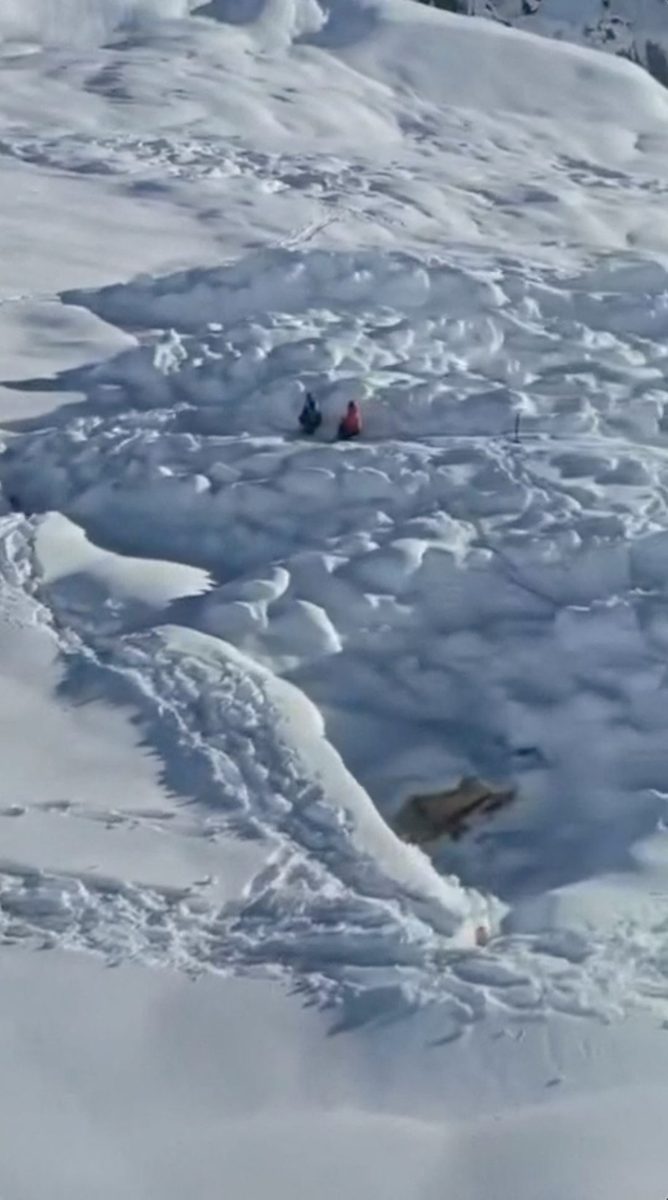
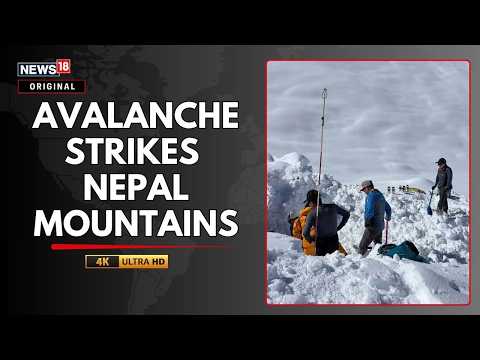
An avalanche buried the base camp of Himlung Himal before dawn on September 27, smothering tents under roughly 14 feet of snow. Fifteen workers are dead; one guide is still missing.

All of the victims were Nepali nationals readying the 7,126-meter peak for the autumn climbing season — fixing ropes, pitching tents, and running the kitchen for foreign clients who had not yet arrived. The toll makes this the deadliest accident of Nepal's autumn mountaineering season.

Why it matters

Nepal's mountaineering economy relies on thousands of Nepali workers who build camps at altitude. This avalanche shows the lethal risk they carry for foreign clients.

Questions about this story

Free account needed to ask — your question is kept and asked for you right after sign-up. Answers are public.

No questions yet — be the first to ask.

Key Indicators

15
Workers confirmed dead
Recovered from beneath heavy snow at Himlung Himal base camp between Sept 27 and Oct 1.
1
Workers still missing
Guide Pasang Nuri Sherpa's body has not been found; recovery efforts are paused.
7,126 m
Himlung Himal elevation
The 23,380-foot peak in north-central Nepal where the avalanche struck.
16
Workers buried by the avalanche
14 kitchen and support staff plus two climbing guides, all Nepali nationals.

Voices

Curated perspectives — historical figures and your fellow readers.

Ever wondered what historical figures would say about today's headlines?

Sign up to generate historical perspectives on this story.

People Involved

Organizations Involved

Timeline

September 2026 October 2026

6 events Latest: 2 days ago
Tap a bar to jump to that date
  1. Officials confirm 15 dead, one missing

    Latest Statement

    Guide association president says the missing worker's chances are slim and the rescue operation will likely wind up.

  2. Eight more bodies recovered; death toll reaches 15

    Recovery

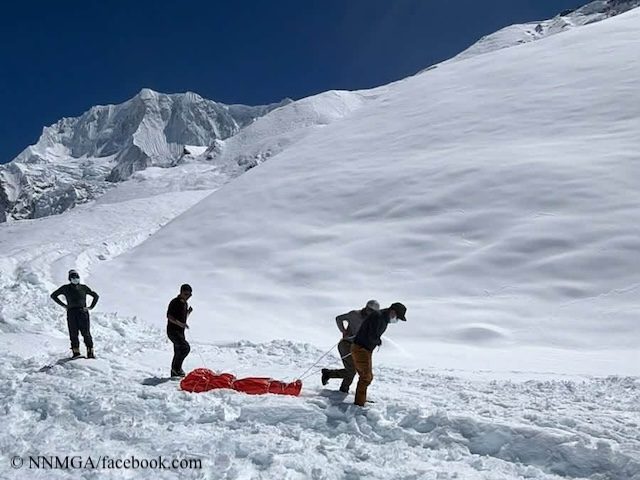
    Guides tunnel through deep snow and recover eight bodies from tents, leaving one worker missing.

  3. Rescue resumes, three more bodies found

    Recovery

    Teams recover three more bodies, bringing the total to seven with nine still missing.

  4. Search suspended for a day

    Recovery

    Severe weather and the sheer volume of snow force a halt to recovery efforts.

  5. Two guides' bodies recovered

    Recovery

    Police report 12 Nepali workers unaccounted for after two bodies are pulled from the site.

  6. Avalanche buries Himlung Himal base camp

    Disaster

    Snow smothers tents at the 7,126-meter peak's camp; 22 workers reported missing, two later found dead.

Scenarios

1

Himlung search concludes with one worker unrecovered

Likely Resolves by Nov 30, 2026

Discussed by: Tul Singh Gurung, president of the Nepal National Mountain Guide Association, told Reuters chances of finding the missing worker were slim

Recovery efforts remain paused as conditions at the base camp stay hazardous. The guide association has said further efforts may be possible only when conditions allow, and the operation could wind down without recovering Pasang Nuri Sherpa's body, buried under roughly 14 feet of snow.

2

Missing Himlung worker's body recovered

Possible Resolves by Nov 30, 2026

Discussed by: The guide association's statement that further recovery efforts may be possible when conditions allow

A break in weather lets rescue teams return to the buried camp. Using the tunneling technique that recovered eight bodies on October 1, they dig out the remaining tent area and find Pasang Nuri Sherpa beneath the snow, closing the operation with no one unaccounted for.

3

Nepal tightens base-camp safety rules after Himlung deaths

Possible Resolves by Q1 2027

Discussed by: Tourism officials and Nepali mountaineering bodies, following the reform pattern set after the 2014 Everest avalanche

The deadliest accident of the autumn season puts pressure on Nepal's Department of Tourism to review how base camps are sited and whether operators must assess avalanche risk before setting up camp. Reforms after the 2014 Everest disaster focused on pay and insurance; this could extend to placement and hazard rules.

Historical Context

2 moments from history that rhyme with this story — and how they unfolded.

April 2014

Mount Everest icefall avalanche (April 2014)

On April 18, 2014, a block of ice collapsed from Everest's Khumbu Icefall, killing 16 Sherpa guides as they carried gear to Camp 2. It was the single deadliest day on the mountain up to that point.

Then

Sherpas halted climbing for the season, and the 2014 Everest season was effectively abandoned.

Now

The deaths forced pay increases, better insurance, and greater bargaining power for guides across Nepal's climbing industry.

Why this matters now

Like Himlung, the Everest victims were Nepali support staff doing setup work for foreign climbers, not the climbers themselves.

April 2015

Mount Everest earthquake avalanche (April 2015)

The magnitude-7.8 Nepal earthquake on April 25, 2015 triggered an avalanche from Pumori that slammed into Everest Base Camp, killing 18 people and injuring dozens.

Then

The 2015 spring climbing season was abandoned as the country dealt with a disaster that killed nearly 9,000 people.

Now

It underscored how quickly a sudden snow mass from above can destroy a base camp that was considered relatively safe.

Why this matters now

Like the current avalanche, workers at base camp were hit by snow from a peak above them, not by a fall or a crevasse accident.

Sources

(10)