



Pull to refresh
Logo
Louisville zoning board weighs three short-term rental permits, one for 16 guests

Louisville zoning board weighs three short-term rental permits, one for 16 guests

Rule Changes Louisville, KY local

September 2026 filings include a request to raise one rental's guest cap from 12 to 16

September 28th, 2026: Staff reports recommend approving all three permits

Overview

Updated 1 hour ago

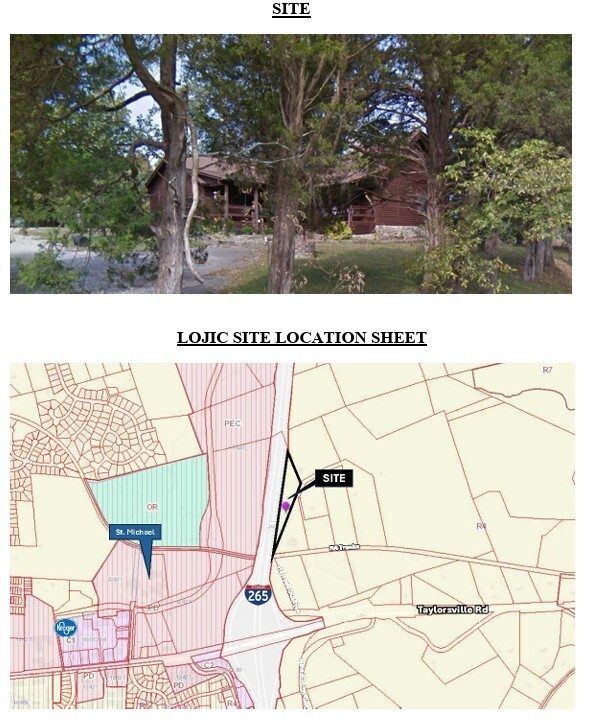
Three years after Louisville rewrote its short-term rental rules, the Board of Zoning Adjustment is weighing three conditional use permits, with staff reports published in September 2026. Staff recommended approving all three: two would modify existing rentals, and one would authorize a new non-owner-occupied rental. The largest request, for 3100 Harrods Old Trace, asks to raise the guest cap from 12 to 16 after a renovation added two bedrooms.

The filings show how the 2023 ordinance is being administered. That rule routes investor-owned rentals through a discretionary board with a 600-foot density buffer and an occupancy formula that caps guests over age 16 at 12. The Harrods request stays inside that rule: the lot is 5.4 acres, which allows a larger total, and the request keeps guests over 16 at 12. Each approval adds or grows a rental inside a residential neighborhood.

Why it matters

The board's call on a 16-guest request will show how far Louisville's rules let non-owner-occupied rentals expand in residential neighborhoods.

Monday: what changed in Louisville, KY

One short email a week with the openings, closings, permits and council votes we covered. Free. Unsubscribe in one click.

Questions about this story

Free account needed to ask — your question is kept and asked for you right after sign-up. Answers are public.

No questions yet — be the first to ask.

Key Indicators

3
Permit requests with September 2026 staff reports
Staff recommended approving all three: two modifications and one new non-owner-occupied rental.
16
Guest cap requested at 3100 Harrods Old Trace
Allowed by the formula for lots over two acres; the request keeps guests over age 16 at 12. A renovation added two bedrooms.
12
Cap on guests over age 16 per rental
Set by the 2023 ordinance; the Harrods request stays within it.
600 ft
Required gap from nearest permitted investor-owned rental
Non-owner-occupied units in residential districts must sit at least 600 feet apart.

Voices

Curated perspectives — historical figures and your fellow readers.

Ever wondered what historical figures would say about today's headlines?

Sign up to generate historical perspectives on this story.

Organizations Involved

Timeline

2015 September 2026

3 events Latest: September 28th, 2026 · 1 week ago
  1. Staff reports recommend approving all three permits

    Latest Permit

    Two applications modify existing permits; one authorizes a new rental. The Harrods request seeks a 16-guest cap.

  2. Ordinance creates two-track rental system

    Regulation

    Owner-occupied units register over the counter; investor-owned rentals need conditional use permits with a 600-foot buffer.

  3. Louisville starts short-term rental registration

    Policy

    The city launches a registration system under the Revenue Commission rather than banning the practice.

Scenarios

1

Board approves all three permits, including the 16-guest expansion

Likely Resolves by Q2 2027

Discussed by: Louisville Metro staff, whose September 2026 reports recommended approval of all three

Staff already backed every application, so a full grant is the path of least resistance. The board approves the two modifications and the new non-owner-occupied rental, setting the Harrods Old Trace occupancy above 12 to reflect the added bedrooms. A decision typically follows a public hearing within a few months.

2

Board holds the line at 12 guests on the Harrods rental

Possible Resolves by Q2 2027

Discussed by: The ordinance lets the board further restrict occupancy case by case

The board approves the smaller units but uses its power to restrict occupancy below what the formula allows. That grants the Harrods permit with a lower guest total, or sends the applicant back to reduce the request after the two-bedroom addition.

3

Board defers or denies at least one permit

Unlikely Resolves by Q2 2027

Discussed by: Land-use attorneys tracking the BZA calendar

A contested hearing, a 600-foot proximity dispute, or a neighbor objection delays or kills at least one application. The board continues the matter to a later hearing date or votes it down, leaving the approved count at two or fewer.

Historical Context

2 moments from history that rhyme with this story — and how they unfolded.

2010–2018

New York's illegal-hotel law (2010)

New York amended its Multiple Dwelling Law in 2010 to bar renting an apartment for fewer than 30 days when the permanent resident isn't present, directly targeting Airbnb-style sublets. Enforcement was light at first and often pursued against tenants rather than platforms.

Then

The city added a registration requirement in 2018 and an enforcement unit that removed thousands of listings.

Now

Prohibition plus enforcement became one model for cities facing short-term rental growth.

Why this matters now

Louisville chose the opposite path in 2015 — registration, then a permit system — and its 2026 applications test how permissive that system is.

June 2024

Barcelona's tourist-license phase-out (2024)

Facing a housing shortage, Mayor Jaume Collboni announced in June 2024 that Barcelona would not renew its roughly 10,000 licenses for tourist apartments, phasing them out by 2028.

Then

Legal challenges and industry pushback followed, with enforcement still rolling out.

Now

The move showed a city using license revocation to shrink short-term rental supply, not permit it.

Why this matters now

The contrast clarifies Louisville's position: it is still granting new permits and expansions while other cities unwind them entirely.

Sources

(8)