
Pull to refresh
Logo
National Institutes of Health funds UW-Madison neutron capture therapy facility

National Institutes of Health funds UW-Madison neutron capture therapy facility

New Capabilities Madison, WI local

An $8 million award backed by NIH targets a U.S. gap in clinical neutron-beam cancer care

September 18th, 2026: Award work period begins

Overview

Updated 1 hour ago

The National Institutes of Health has obligated $8 million to the University of Wisconsin System for a neutron capture therapy research facility in Madison. The award, recorded September 17 with work starting September 18, funds a facility that would provide the U.S. its first accelerator-based clinical neutron-beam resource, according to the project summary.

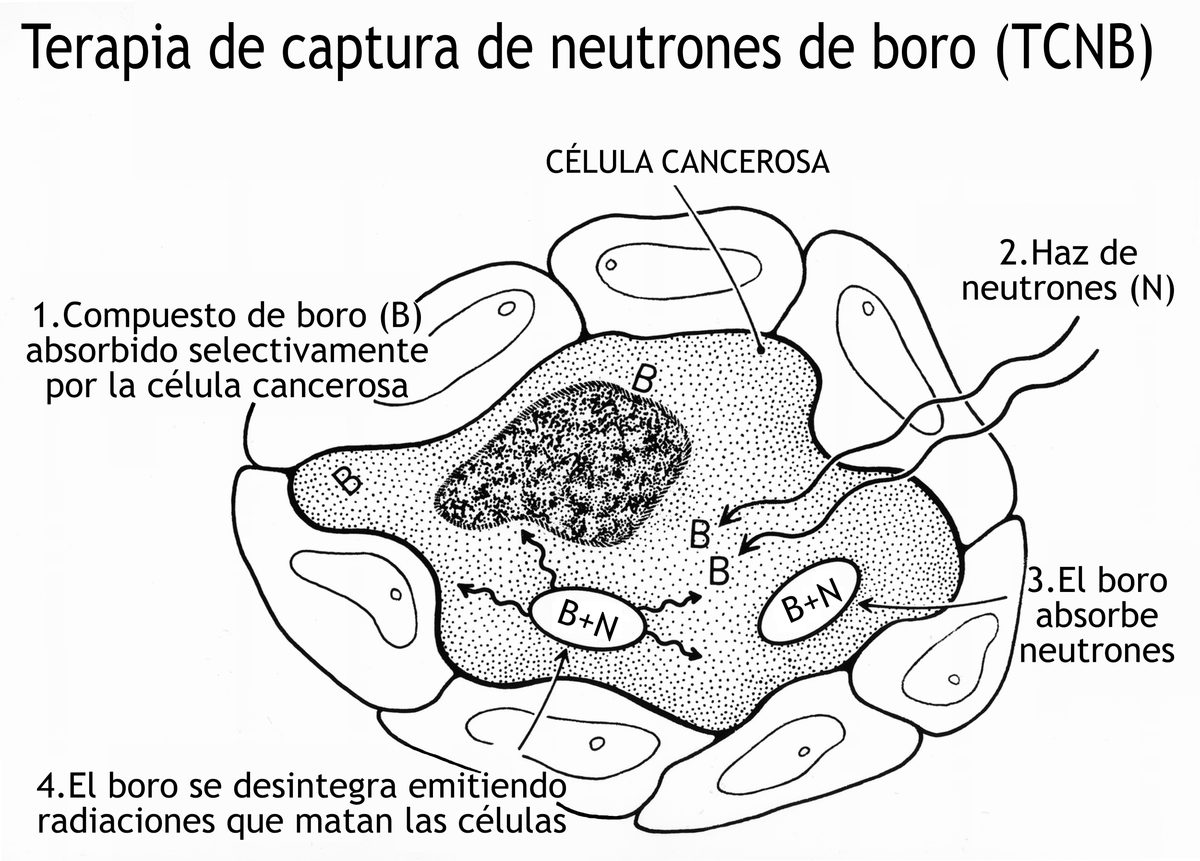
The therapy works by activating a capture agent inside tumor cells with a neutron beam, delivering high radiation doses selectively to cancer. The project summary says the approach has shown promising outcomes internationally and is experiencing a resurgence driven by accelerator-based neutron sources. It describes the U.S. as lacking an accelerator-based clinical neutron-beam resource.

Why it matters

The award could give the US its first accelerator-based clinical neutron capture therapy facility, a resource the project summary says the country currently lacks.

Monday: what changed in Madison, WI

One short email a week with the openings, closings, permits and council votes we covered. Free. Unsubscribe in one click.

Questions about this story

Free account needed to ask — your question is kept and asked for you right after sign-up. Answers are public.

No questions yet — be the first to ask.

Key Indicators

$8M
NIH obligation to UW-Madison
Amount obligated in the federal award record; not a measure of spending to date.
1
U.S. accelerator-based clinical neutron-beam gap
The project summary states the U.S. lacks this resource, which the facility aims to create.
2026-09-18
Award work start date
Per the federal award record, activities under the grant begin September 18, 2026.

Voices

Curated perspectives — historical figures and your fellow readers.

Ever wondered what historical figures would say about today's headlines?

Sign up to generate historical perspectives on this story.

Organizations Involved

Timeline

2 events Latest: September 18th, 2026 · 3 weeks ago
  1. Award work period begins

    Latest Funding

    The federal record lists September 18 as the start date for activities under the grant.

  2. NIH records $8M UW-Madison award for neutron capture therapy facility

    Funding

    Federal award record shows $8 million obligated to the University of Wisconsin System, with Madison as the place of performance.

Scenarios

1

UW-Madison opens national neutron capture therapy facility

Possible Resolves by End of 2029

Discussed by: NIH project summary and early coverage of the award

The $8 million obligation funds a facility designed to become the U.S.'s first accelerator-based clinical neutron-beam resource. If completed, it would enable clinical trials and eventually patient treatment, positioning UW-Madison as a national hub for neutron capture therapy.

2

Groundbreaking set for Wisconsin NCT facility

Likely Resolves by Q2 2028

Discussed by: Local Madison media and UW-Madison planning offices

Following the federal award, UW-Madison would announce a groundbreaking or construction start for the facility. The September 18 start date in the award record begins the grant period, though construction itself could come later.

3

Wisconsin NCT facility faces funding or construction delays

Possible Resolves by End of 2028

Discussed by: Large research-facility project track records

Research-facility projects often exceed initial budgets or hit permitting and supply-chain hurdles. If the $8 million obligation proves insufficient, UW-Madison may need supplemental funding, or the project may be scaled back or delayed.

Historical Context

3 moments from history that rhyme with this story — and how they unfolded.

1951-1961

Brookhaven National Laboratory BNCT trials (1951-1961)

First clinical trials of boron neutron capture therapy used a nuclear reactor at Brookhaven National Laboratory on Long Island. Physicians treated brain tumors, but the boron compound did not concentrate well in tumors, and the neutron beam lacked depth penetration.

Then

Results were disappointing, and clinical BNCT largely halted in the U.S. for decades.

Now

Established benchmarks for boron delivery and beam quality that later researchers had to meet.

Why this matters now

This early failure explains why the U.S. fell behind in clinical neutron capture therapy, setting up the gap the UW-Madison grant aims to close.

2020

Japan approves accelerator-based BNCT (2020)

Sumitomo Heavy Industries' NeuCure system, a compact accelerator-based neutron source, received Japanese regulatory approval for treating recurrent head and neck cancer. It was the world's first approved accelerator-based BNCT system.

Then

Japan became the first country to offer clinical accelerator-based BNCT outside a reactor setting.

Now

Proved the technology could move into hospitals, spurring global interest in the field.

Why this matters now

The project summary cites the international resurgence the UW-Madison grant responds to; Japan is a leading example of the capability the U.S. currently lacks.

1999-2012

Finland's Helsinki BNCT program (1999-2012)

Helsinki University Hospital operated a reactor-based BNCT facility using the Fir 1 reactor, treating head and neck cancers and brain tumors. The program generated long-term outcome data showing benefits for some patients.

Then

Provided a European clinical experience base for neutron capture therapy.

Now

Supported the case for newer accelerator-based systems by showing real-world clinical value.

Why this matters now

This is one of the international clinical programs behind the promising outcomes the project summary references.

Sources

(2)