
Pull to refresh
Logo
Maduro pleads not guilty to US torture conspiracy charges

Maduro pleads not guilty to US torture conspiracy charges

Rule Changes

Former Venezuelan president and wife face expanded indictment, trial set for June 2027

Yesterday: Maduro and Flores plead not guilty in New York

Overview

Updated Yesterday

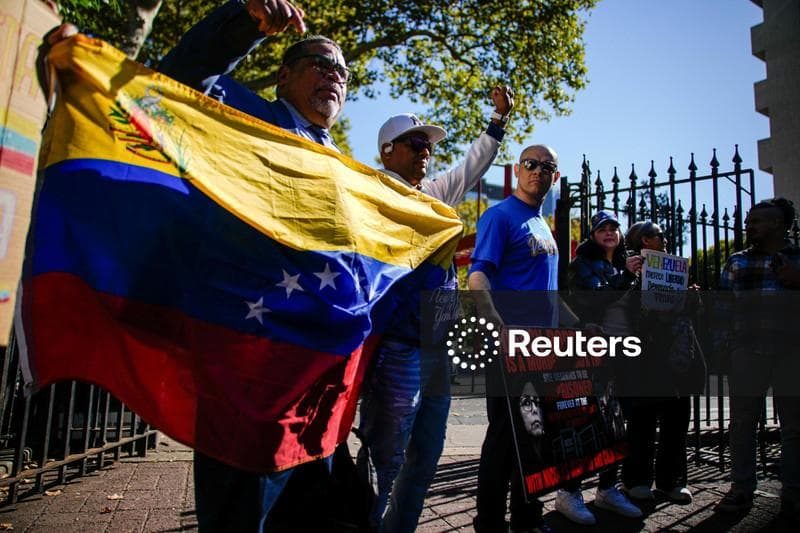
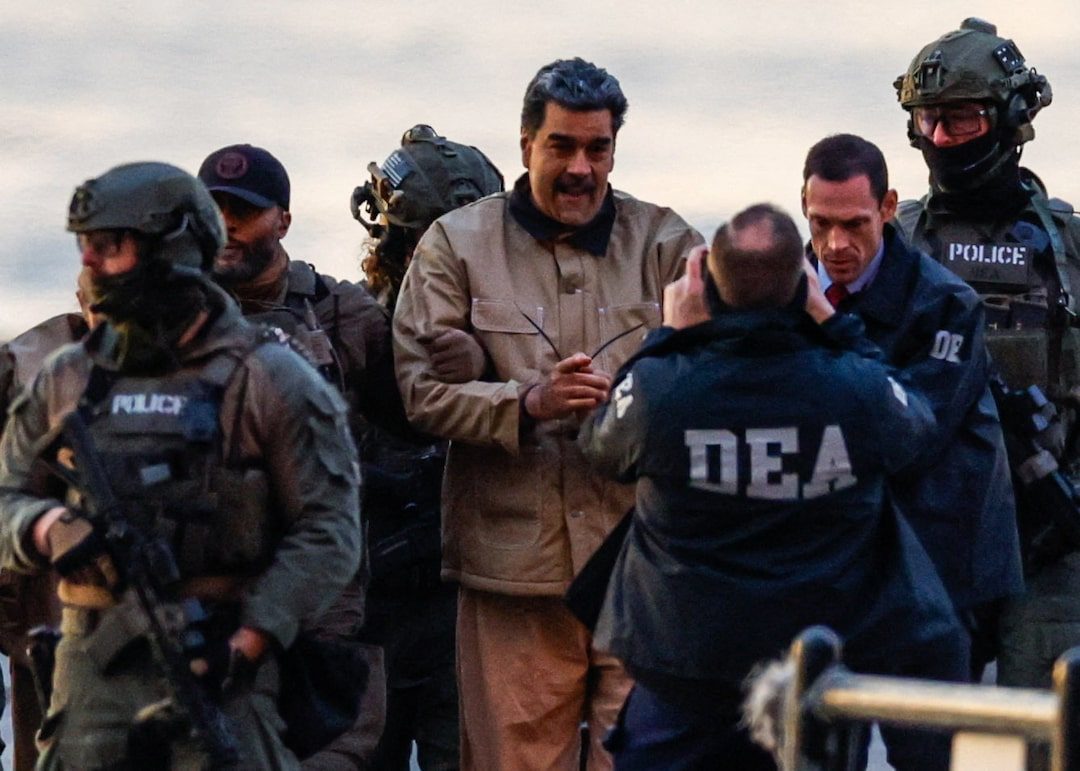
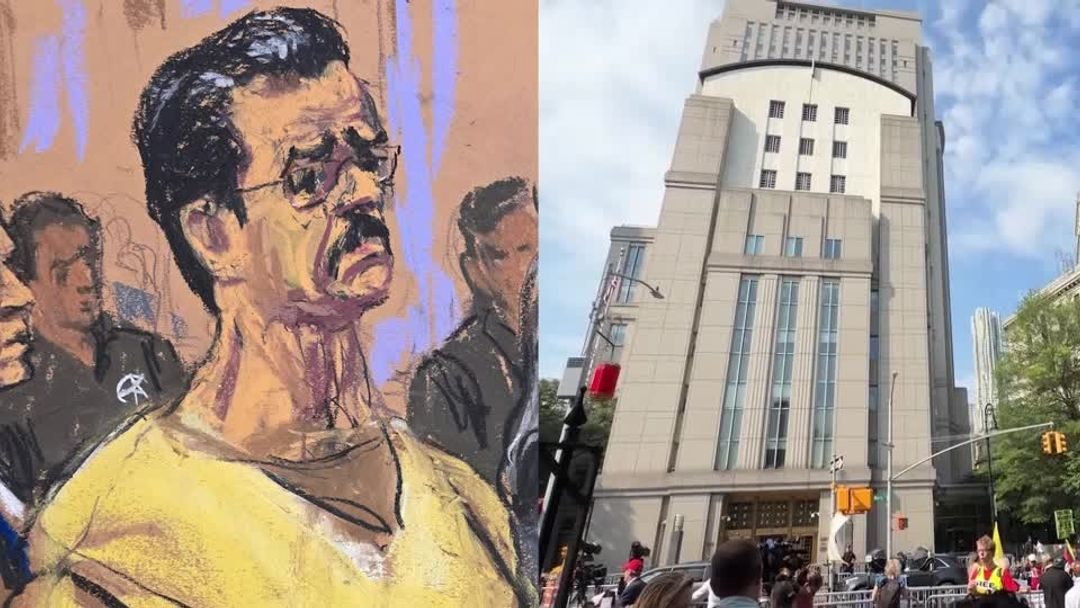
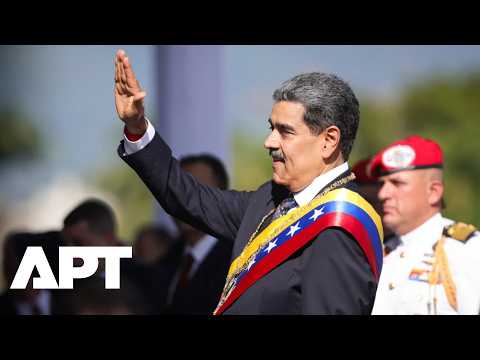
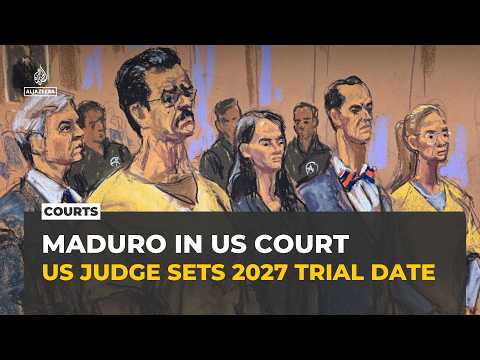
Nicolás Maduro, Venezuela's former president, pleaded not guilty in a New York federal courtroom on October 15 to charges he conspired to torture political opponents. Judge Alvin Hellerstein entered the plea after Maduro twice refused to answer directly, calling the allegations “false accusations and false testimony.”

His wife, Cilia Flores, entered the same plea and told the court she was “completely innocent.” The couple face a superseding indictment unsealed October 8 that adds a conspiracy-to-commit-torture count to existing narco-terrorism, cocaine importation, and weapons charges. Their trial is scheduled for June 2027.

Why it matters

The case is the first major test of a US law that lets courts prosecute torture committed abroad by anyone present on American soil.

Questions about this story

Free account needed to ask — your question is kept and asked for you right after sign-up. Answers are public.

No questions yet — be the first to ask.

Key Indicators

5
Criminal counts in superseding indictment
Covers narco-terrorism, torture conspiracy, cocaine importation, and two weapons conspiracy counts.
20 years
Maximum penalty for torture conspiracy count
Brought under the US extraterritorial torture statute, Section 2340A of Title 18.
June 2027
Scheduled trial start
Trial in the Southern District of New York, before Judge Alvin Hellerstein.

Voices

Curated perspectives — historical figures and your fellow readers.

Ever wondered what historical figures would say about today's headlines?

Sign up to generate historical perspectives on this story.

People Involved

Organizations Involved

Timeline

January 2026 October 2026

3 events Latest: Yesterday
  1. Maduro and Flores captured in US military raid

    Military Operation

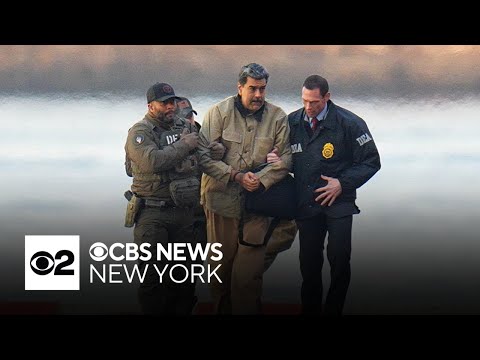
    Maduro and his wife were captured in Venezuela during a US military raid and flown to New York, where they remain in federal custody.

Scenarios

1

Maduro convicted at Manhattan trial

Possible Resolves by End of 2027

Discussed by: Prosecutors at the DOJ; Atlantic Council analysts

The trial begins June 2027 as scheduled. The government's case rests on the extraterritorial torture statute, which the Atlantic Council notes provides a rare accountability path for abuses documented by international institutions for more than a decade. A conviction on the narcoterrorism or weapons counts would carry a mandatory minimum of 20 to 30 years in prison; the torture conspiracy count alone carries a 20-year maximum.

2

Court dismisses torture charges on sovereign immunity

Unlikely Resolves by May 31, 2027

Discussed by: Maduro and Flores's defense team

The couple have moved to dismiss the case, arguing they qualify for sovereign immunity as a former head of state and first lady. The precedent cuts against them: US courts have generally rejected immunity for criminal conduct, and Section 2340A explicitly contemplates foreign offenders present in the US. But the motion remains pending, and a ruling for the defense would end the torture count before trial, though the government would likely appeal.

3

Maduro or Flores reaches plea deal before trial

Unlikely Resolves by Jun 1, 2027

Discussed by: Legal analysts following the case

Flores has been less combative in court than her husband, and the superseding indictment suggests prosecutors may be seeking cooperation from co-conspirators. A plea agreement filed before the June 2027 trial would resolve the case without a verdict. The Atlantic Council notes co-conspirators in the indictment could potentially cooperate with US authorities, which would strengthen the case against both defendants.

Historical Context

3 moments from history that rhyme with this story — and how they unfolded.

December 1989 – April 1992

Manuel Noriega trial (1989-1992)

US forces captured Panama's military dictator during the 1989 invasion and flew him to Miami, where he was tried in federal court on drug trafficking and racketeering charges.

Then

Noriega was convicted in 1992 and sentenced to 40 years, later reduced to 30. He served 17 years in US custody.

Now

His conviction established that a foreign head of state can be tried in US civilian court after capture, though the charges were drug-related, not human rights abuses.

Why this matters now

The closest precedent for a foreign leader captured by US forces and prosecuted in a US courtroom. Maduro's case extends the pattern to torture committed against a leader's own citizens.

October 1998 – March 2000

Augusto Pinochet detention (1998)

Chile's former dictator was arrested in London on a Spanish extradition warrant charging him with torture and other crimes. Britain's Law Lords ruled he could be extradited, rejecting his claim of sovereign immunity.

Then

Home Secretary Jack Straw ordered his release on health grounds in March 2000, and Pinochet returned to Chile without standing trial.

Now

The ruling established that sovereign immunity does not shield former heads of state from prosecution for torture, though Pinochet himself escaped trial.

Why this matters now

The same sovereign immunity question is now before Judge Hellerstein. Pinochet's case set the legal principle; Maduro's tests whether it holds when the defendant is already in custody.

June 2006 – April 2012

Charles Taylor conviction (2012)

Liberia's former president was tried by the Special Court for Sierra Leone for war crimes and crimes against humanity, including torture, committed during Sierra Leone's civil war.

Then

Taylor was convicted in 2012 and sentenced to 50 years in prison — the first head of state convicted by an international tribunal since Nuremberg.

Now

His conviction reinforced the principle that heads of state bear personal criminal responsibility for torture and atrocities.

Why this matters now

The Maduro prosecution tests whether a domestic US court, rather than an international tribunal, can achieve the same kind of accountability for a head of state accused of torture.

Sources

(8)