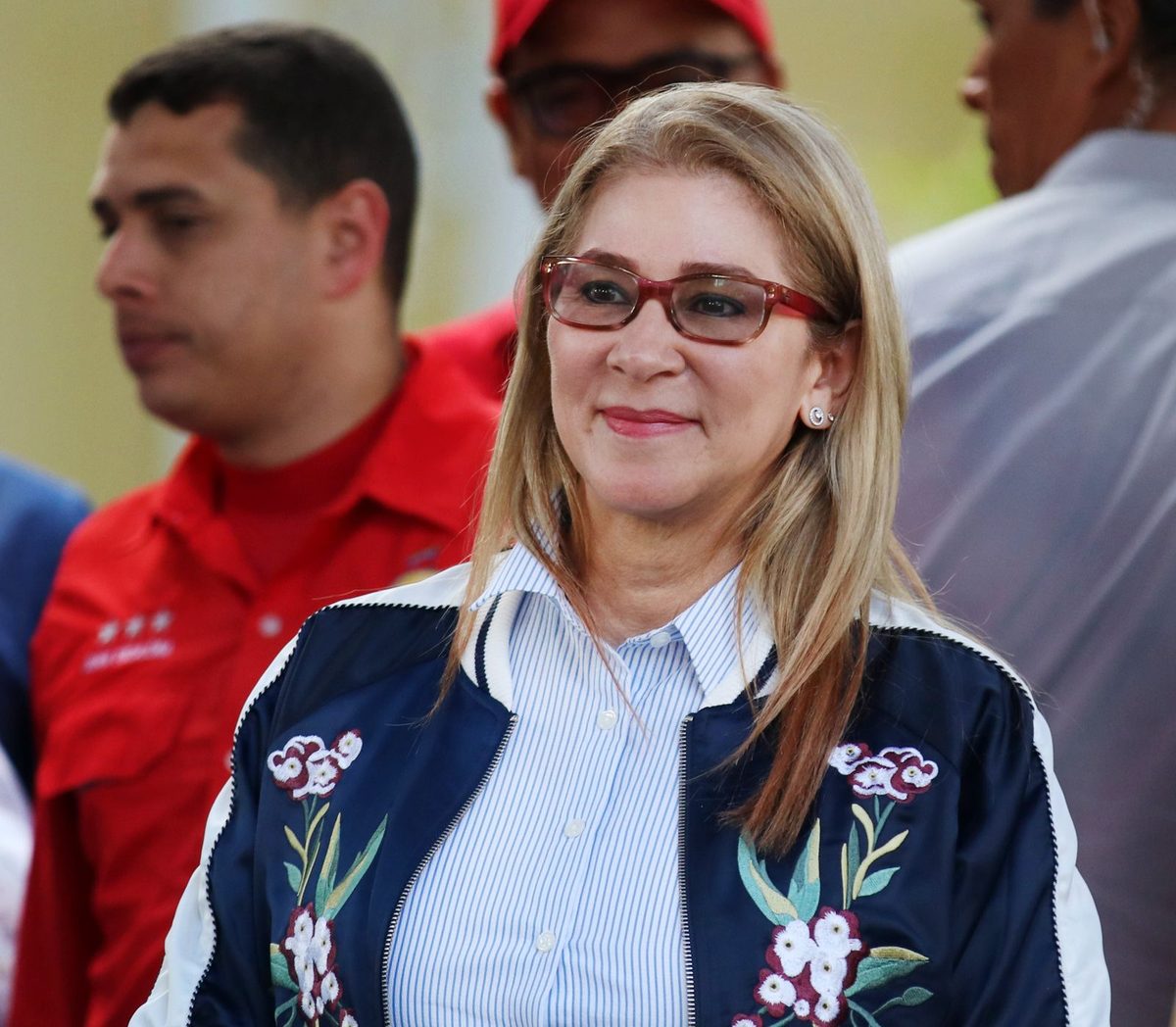
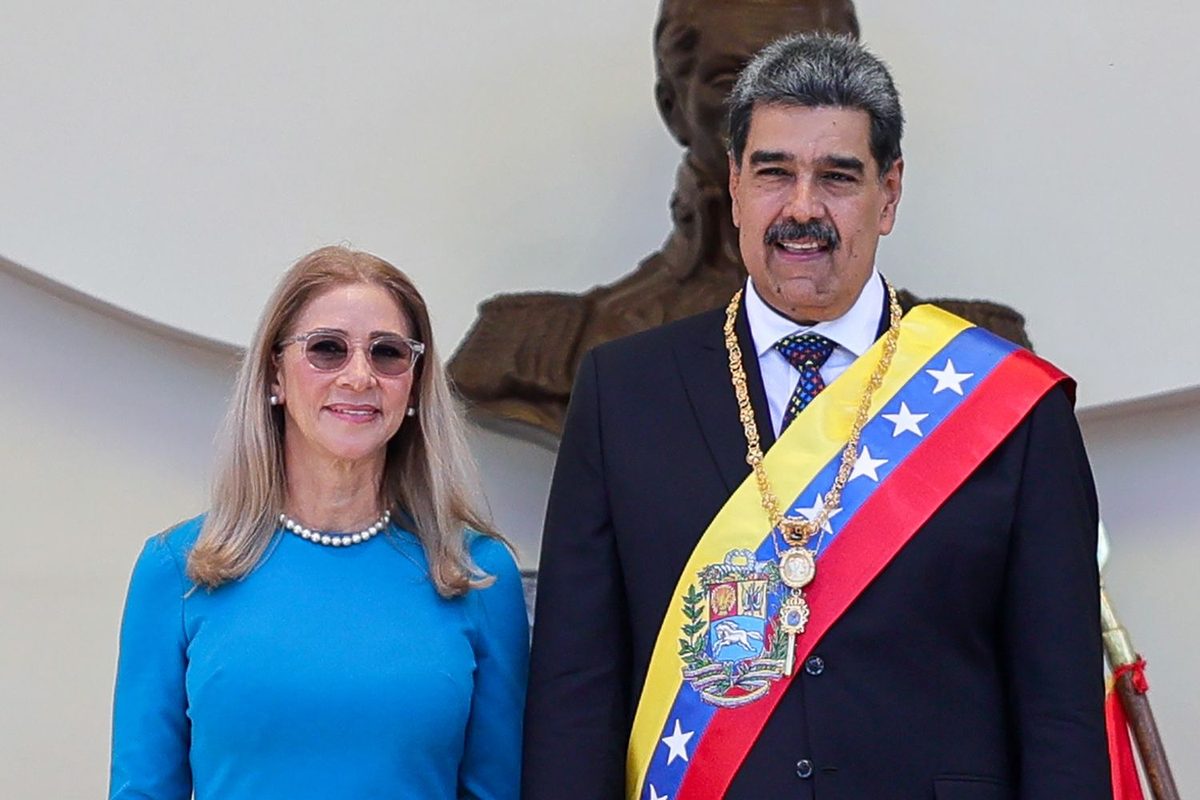
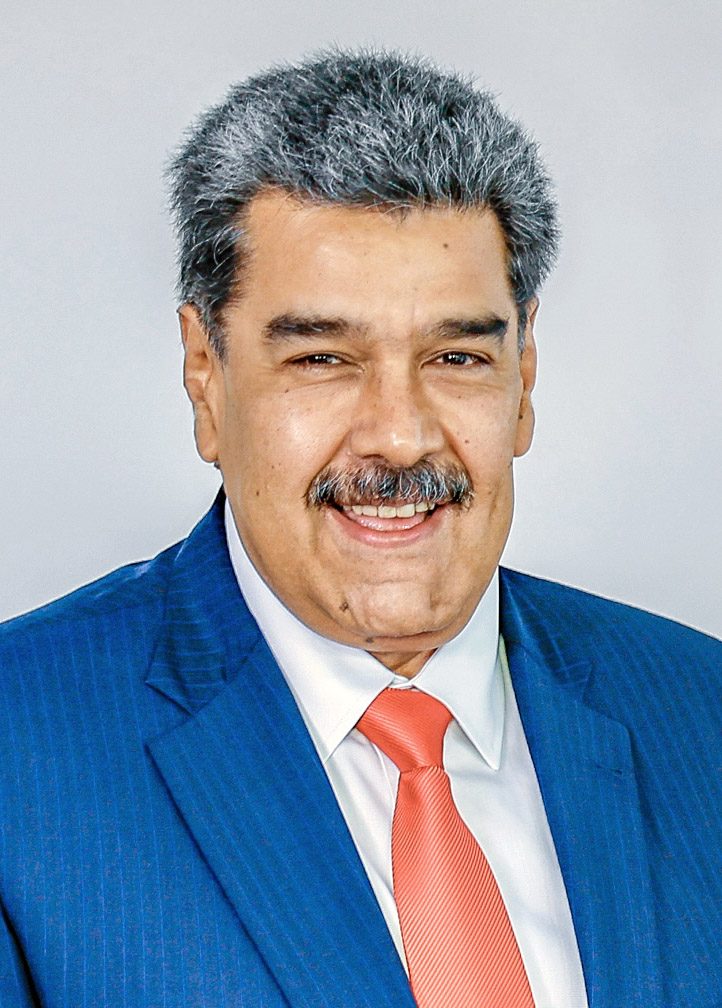
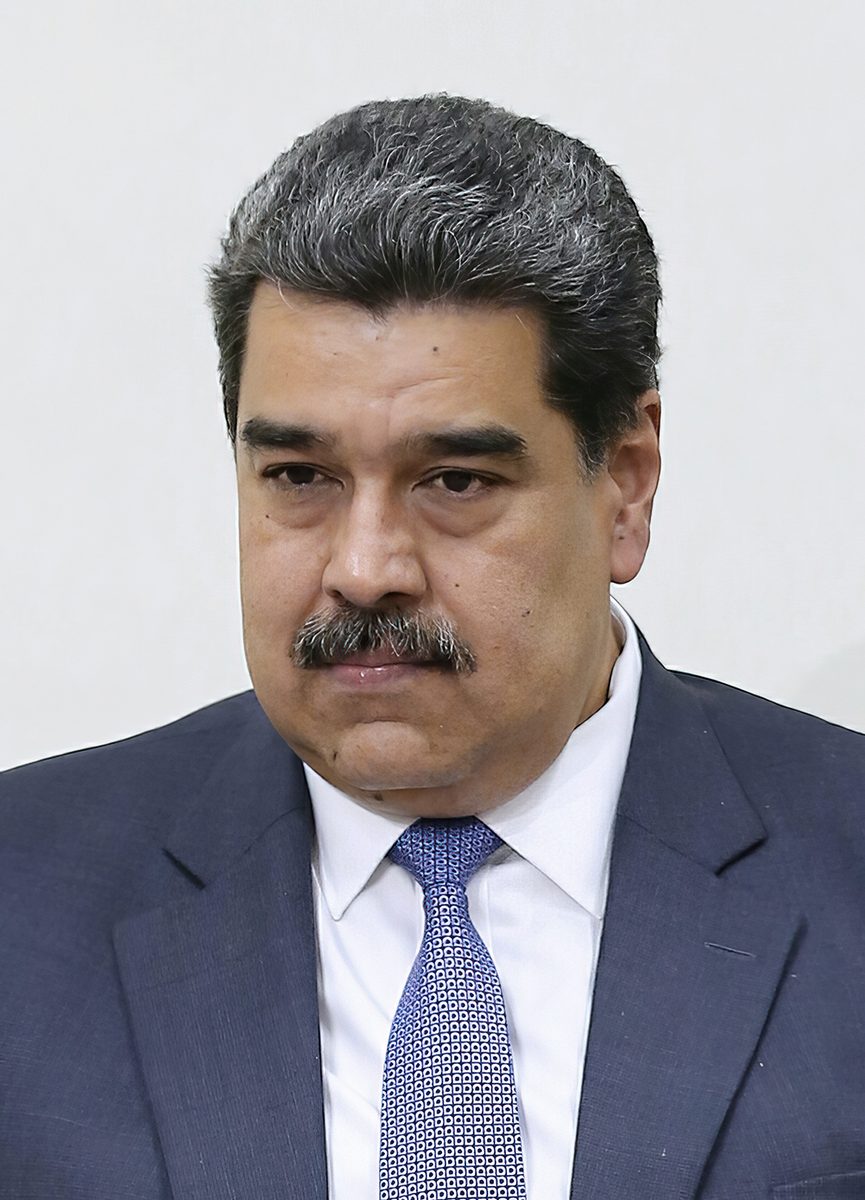
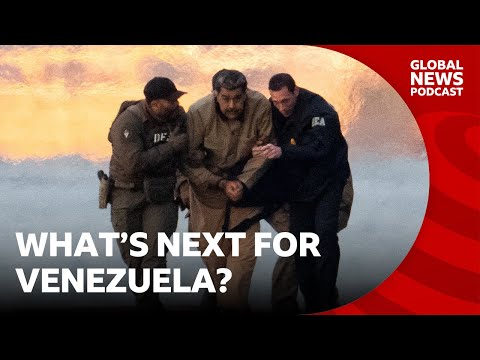
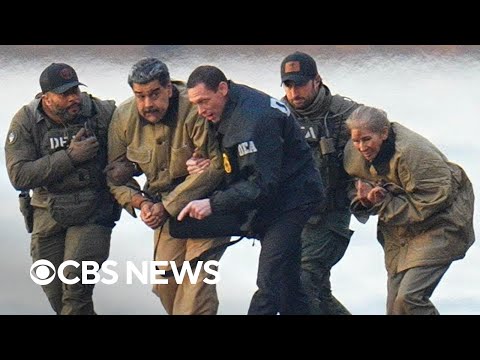
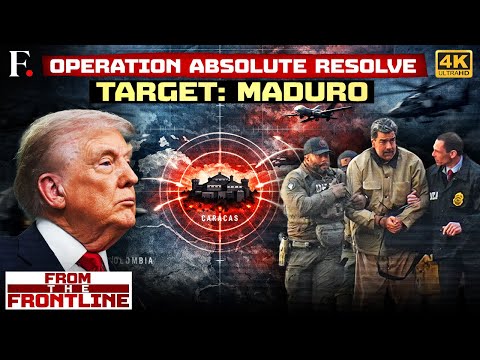
Delta Force operators captured Nicolás Maduro and his wife in Caracas at 2 a.m. on January 3 as explosions rocked the capital and helicopters evacuated them to the USS Iwo Jima, bound for New York. By Saturday afternoon, Maduro arrived at the Metropolitan Detention Center in Brooklyn—the first American military capture of a sitting head of state since Manuel Noriega in 1989.
On January 5, Maduro and Flores pleaded not guilty before Judge Alvin Hellerstein, declaring 'I am innocent' and 'I am still the president of my country'; a judge later set their trial for June 1, 2027. On January 7, Interior Minister Diosdado Cabello announced that 100 people were killed in the operation—Venezuelan military personnel, 32 Cuban forces, and civilians—while two US personnel were injured and one helicopter was hit. On January 13, the Justice Department released a previously classified memo concluding the president possessed constitutional authority to order the military operation.
By January 29, Venezuela's military and police formally pledged loyalty to interim President Delcy Rodríguez at a ceremony in Caracas. The operation followed Trump's August 2025 secret directive authorizing Pentagon strikes against Latin American cartels designated as terrorist organizations.
Trump declared the US will 'run' Venezuela, immediately securing access to Venezuelan oil: on January 14, the US completed its first $500 million sale as part of a $2 billion deal for 30-50 million barrels. Venezuela's Supreme Court appointed Vice President Delcy Rodríguez as acting president for 90 days; she held phone calls with Trump on oil, trade, and national security. On January 15, opposition leader María Corina Machado met Trump at the White House and presented him her Nobel Peace Prize medal as a 'personal symbol of gratitude,' though Trump offered no endorsement of her leadership.
On January 28, Secretary of State Marco Rubio testified that oil sale proceeds would be deposited into US-overseen accounts and met with Machado at the State Department. The following day, Trump announced reopening Venezuelan airspace after discussions with Rodríguez, who signed oil investment reform allowing foreign capital into new fields. On January 27, Maduro's son declared elections 'not on the table.'
By late January, human rights group Foro Penal had verified 266 political prisoners freed since January 8 (621 by March 8, after a February 19 amnesty law), including González's son-in-law after 380 days of detention, though 800-1,200 remained detained. Analysts describe the US approach as 'remote coercion'—controlling Venezuela through oil leverage, sanctions relief, and threat of renewed force rather than supporting opposition-led governance.
Why it matters
The US controls Venezuela's oil revenue with no oversight, setting a template for how Washington may treat governments it deems illegitimate.
Questions about this story
Free account needed to ask — your question is kept and asked for you right after sign-up. Answers are public.
No questions yet — be the first to ask.
Key Indicators
36 years
Since last US capture of foreign leader
Manuel Noriega was seized in Panama on January 3, 1990
67% vs 30%
Actual election results per opposition tallies
González's margin over Maduro in July 2024 vote
100 killed
Venezuelan casualties in operation
Official death toll announced by Interior Minister Cabello on January 7
$13B
Oil proceeds collected by US
Collected from Venezuelan oil sales since January, with no financial oversight, per The New York Times
621 freed
Political prisoners released since Jan 8
Confirmed by human rights organizations as of March 8; over 800 held before January
2027
Trial year for Maduro
Maduro and Flores trial scheduled for June 1, 2027
58 events
Latest: July 22nd, 2026 · 3 months ago
Showing 8 of 58
JK to step
Tap a bar to jump to that date
Jump to
July 2026
Judge Sets June 2027 Trial Date
LatestLegal
U.S. District Judge Alvin Hellerstein set a June 1, 2027 trial date for Maduro and Flores on U.S. drug trafficking charges, with arguments on motions to dismiss set for November 17.
March 2026
Maduro and Flores Appear in Court
Legal
Court hearing for Maduro and Flores held, delayed from March 17; both returned to jail in Brooklyn.
621 Political Prisoners Confirmed Released
Political
Human rights organizations confirmed 621 of the more than 800 political prisoners held before January have been freed since January 8.
February 2026
Venezuela Approves Amnesty Law
Political
The National Assembly approved a general amnesty law covering political violence from 1999 to the present. Those convicted of murder, drug trafficking, corruption or human rights violations are excluded.
Sanctions Eased for Foreign Oil Operators
Economic
US Treasury issued two licenses allowing international companies to operate oil and gas projects in Venezuela. Payments go to a US-controlled foreign government deposit fund.
US Embassy in Caracas Reopens
Diplomatic
The US reopened its embassy in Caracas, its first presence there since 2019, after exploratory talks in January. The State Department now exercises de facto control over Venezuela's core governance functions.
January 2026
Machado Declares 'I Will Be President When the Time Comes'
Political
Opposition leader tells CBS News she will be Venezuela's president, her most direct assertion of presidential ambition since Maduro's capture. Statement comes amid continued Trump skepticism about her viability.
Rodríguez Announces General Amnesty and El Helicoide Shutdown
Political
Acting President announces general amnesty law covering political violence from 1999 to present, and shutdown of El Helicoide, notorious secret service prison in Caracas where torture and human rights abuses have been documented. 302 political prisoners verified released since January 8.
Rodríguez Signs Oil Investment Reform
Political
Acting President signs hydrocarbon law reform allowing foreign investment flows into new oil fields, marking significant economic policy shift.
Trump Reopens Venezuelan Airspace
Diplomatic
After discussions with Rodríguez, Trump announces reopening of Venezuelan airspace, easing restrictions imposed during escalation.
Military and Police Pledge Loyalty to Rodríguez
Political
Venezuela's military and police formally pledge loyalty to interim President Rodríguez at ceremony at Military Academy of the Bolivarian Army in Caracas, solidifying her authority.
US Unfreezes Venezuelan Funds, Rubio Testifies
Diplomatic
Rodríguez announces US unfreezing various funds from 2019 oil sanctions. Secretary Rubio testifies before Senate Foreign Relations Committee that oil sale proceeds will be deposited into US-overseen accounts. Rubio meets with Machado at State Department.
Maduro's Son Rules Out Elections
Political
Nicolás Maduro Guerra, Venezuelan congressman and Maduro's son, declares elections in Venezuela are 'not on the table' as his father was 'kidnapped,' complicating US transition plans.
Prisoner Releases Accelerate to 266
Political
Foro Penal confirms 266 political prisoners freed since January 8, with 100 released over single weekend. Organization estimates 800-1,200 remain detained, far below government claims of 808 total releases since December.
González's Son-in-Law Released After 380 Days
Political
Rafael Tudares Bracho, González's son-in-law, released after 380 days detention and 30-year terrorism sentence. Arrested by hooded men while taking children to school in January 2025, convicted in single 12-hour trial on conspiracy and terrorism charges.
Rodríguez Delivers Defiant Parliamentary Address
Political
Acting President Rodríguez tells National Assembly 'if I ever go to Washington, it will be standing, not crawling,' pledging 'diplomatic battle' with US while maintaining she's 'not afraid' of diplomatic confrontation. Simultaneously reaffirms commitment to cooperation with Trump following their January 14 phone call.
Machado Presents Nobel Prize to Trump at White House
Diplomatic
Opposition leader María Corina Machado meets President Trump in Oval Office, presents him her Nobel Peace Prize medal in gilded frame reading 'In Gratitude for Your Extraordinary Leadership.' Trump calls it 'wonderful gesture' but offers no endorsement of her leadership, reiterating she lacks 'support within or respect within' Venezuela. Nobel committee clarifies prize title cannot be transferred.
Pompeo Warns Trump Against Rodríguez Leadership
Political
Former Secretary of State Mike Pompeo publicly warns Trump that Delcy Rodríguez is a 'Maduro regime insider' who shouldn't be trusted to lead Venezuela's transition, calling her appointment 'deeply problematic' for US interests.
Prisoner Release Numbers Remain Disputed
Political
Human rights organization Foro Penal verifies 68 prisoners freed since January 8 announcement, contradicting government claims of 400+ releases. Multiple American citizens confirmed released by State Department, though specific numbers withheld. Estimated 800-1,200 political prisoners remain detained.
Senate Republicans Block War Powers Resolution
Political
After advancing 52-47 on January 8, war powers resolution fails 50-50 with VP Vance casting tiebreaking vote. Senators Hawley and Young reversed positions after Rubio assured no ground troops would deploy to Venezuela without congressional authorization.
Trump and Rodríguez Hold First Phone Call
Diplomatic
Trump spoke with acting President Delcy Rodríguez in their first direct contact since Maduro's capture. Both characterized call as positive and productive, discussing oil, minerals, trade, and national security. Trump praised Rodriguez as 'terrific person'; Rodriguez described conversation as 'long and courteous.'
Conflicting Claims on Prisoner Release Numbers
Political
National Assembly head Jorge Rodríguez claims over 400 prisoners released (including 194 in December under Maduro). Human rights group Foro Penal reports only 76 freed since January 8 announcement, with 800-1,200 political prisoners remaining. Multiple American citizens confirmed released by State Department.
US Completes First Venezuelan Oil Sale
Economic
US Department of Energy announces completion of first Venezuelan oil sales valued at $500 million as part of $2 billion deal for 30-50 million barrels announced by Trump on January 6-7. Sales to continue indefinitely at market prices.
Justice Department releases heavily redacted December 2025 memo from Assistant Attorney General Elliot Gaiser concluding president possesses constitutional authority to order military operation. Memo defines operation as 'armed conflict' within presidential unilateral power, transmitted to National Security Council on December 22. Senators viewed memo with reviews split along party lines.
Prisoner Releases Stall at 11, González Condemns Pace
Political
Despite government promises, only 11 prisoners released by third day per Foro Penal advocacy group; 809 remain detained. Opposition leader Edmundo González, whose son-in-law remains imprisoned, denounces regime for achieving 'not even 1% of the announced releases.'
US State Department Urges Americans to Leave Venezuela
Diplomatic
State Department issues urgent warning for US citizens to leave Venezuela immediately, citing risks from armed militias searching vehicles for Americans at roadblocks.
Venezuela and US Begin Exploratory Diplomatic Talks
Diplomatic
Rodriguez government announces exploratory diplomatic process with US aimed at re-establishing diplomatic missions in both countries. US delegation visits Caracas to assess potential embassy reopening. Venezuela to send reciprocal delegation to Washington.
Senate Advances War Powers Resolution 52-47
Political
Senate votes to block further military action in Venezuela without congressional authorization, led by Sen. Tim Kaine (D-VA). Five Republicans—Rand Paul, Lisa Murkowski, Todd Young, Susan Collins, Josh Hawley—join all Democrats. Resolution does not retroactively block Maduro capture but aims to prevent expanded operations. Lacks veto-proof majority; faces uncertain House passage.
Venezuela Announces Political Prisoner Releases
Political
National Assembly head Jorge Rodríguez announces 'important number' of prisoners to be freed as 'unilateral gesture to maintain peace.' Trump claims US requested releases. Includes former presidential candidate Enrique Márquez, businessman Biagio Pilieri, and five Spanish nationals including human rights attorney Rocío San Miguel.
Venezuela Announces 100 Killed in US Operation
Military
Interior Minister Diosdado Cabello announces official death toll of 100 killed and similar number injured in January 3 operation, including Venezuelan military, 32 Cuban forces, and civilians. US officials dispute civilian casualties, stating no civilians were intentionally targeted.
Trump Announces 30-50 Million Barrel Oil Deal
Economic
Trump announces Venezuela will turn over 30-50 million barrels of sanctioned oil held in storage, worth roughly $2.8 billion at market prices. Oil to be sold at market rates with proceeds controlled by US to benefit Venezuelan and American people.
Machado Vows to Return to Venezuela 'As Soon As Possible'
Political
Opposition leader María Corina Machado tells Fox News she plans to return to Venezuela from Norway following Maduro's capture, ending 16 months in hiding. Trump dismisses her as potential leader, saying she 'doesn't have the support within or the respect within the country.'
Maduro and Flores Arraigned, Plead Not Guilty
Legal
Both plead not guilty before Judge Alvin Hellerstein in Manhattan federal court. Maduro declares 'I am innocent' and 'I am still the president of my country' in Spanish. Next court date set for March 17 at 11 a.m. Defense attorney signals potential sovereign immunity challenge.
UN Security Council Emergency Session Condemns Operation
Diplomatic
UN Secretary-General Guterres says he is 'deeply concerned that rules of international law have not been respected.' US envoy Mike Waltz defends operation as 'surgical law enforcement,' insisting 'we are not occupying a country.' Both allies and adversaries condemn the intervention; Council splits roughly in half.
Delcy Rodríguez Formally Sworn In as Acting President
Political
Rodríguez becomes first woman to perform presidential duties in Venezuela, formally sworn in after Supreme Court order. Signals willingness to 'work together' with US on 'agenda for cooperation' while simultaneously demanding Maduro's release on state television.
EU Refuses to Recognize Rodríguez Legitimacy
Diplomatic
European Commission spokesperson Anitta Hipper announces EU does not recognize legitimacy of Rodríguez as acting president, just as it did not recognize Maduro. Brussels will maintain selective engagement to defend EU interests and support democratic transition.
Venezuelan Supreme Court Appoints Rodríguez Acting President
Political
Court orders Vice President Delcy Rodríguez to assume presidency for 90 days to 'guarantee administrative continuity.' Defense Minister endorses ruling; Rodríguez publicly demands Maduro's release.
Casualty Figures Revised Upward
Military
Venezuelan officials report at least 40-80 people killed in US strikes, including civilians and military personnel. Trump acknowledges 'many Cubans lost their lives' protecting Maduro.
Colombia Deploys Border Troops
Diplomatic
President Petro deploys security forces along 2,219-kilometer border, bolsters humanitarian provisions for potential mass refugee influx. Venezuela temporarily closes border with Brazil.
UN Security Council Emergency Session Scheduled
Diplomatic
At request of Venezuela and Colombia, with Russia and China support, UNSC schedules emergency meeting for January 5 at 10 a.m. EST to address US operation.
Congressional Democrats Call Operation Illegal
Political
Rep. McCollum calls strikes 'blatantly illegal,' Sen. Kaine says Trump 'put American servicemembers at risk with this unauthorised attack.' Senate to vote on bipartisan war powers resolution.
US Strikes Venezuela, Captures Maduro
Military
Delta Force raid seizes Maduro and Flores from bedroom in Caracas. Multiple explosions across capital. Two US personnel injured, one helicopter hit.
Trump Announces Capture
Statement
President confirms on Truth Social that Maduro and wife are aboard USS Iwo Jima heading to New York.
AG Bondi Unseals Indictment
Legal
Attorney General announces narco-terrorism charges against both Maduro and Flores in Southern District of New York.
International Condemnation
Diplomatic
Brazil, China, Russia condemn strikes as violating international law. UK stresses it had no involvement.
Maduro Arrives in New York
Legal
Maduro and Flores land at Stewart International Airport in New Windsor, New York, then transported by helicopter to Metropolitan Detention Center in Brooklyn.
Trump Announces US Will 'Run' Venezuela
Political
President declares US will govern Venezuela 'until such time as we can do a safe, proper and judicious transition,' without providing operational details.
December 2025
Trump Orders Total Blockade
Military
President announces complete blockade of sanctioned oil tankers to and from Venezuela.
Machado Escapes to Norway
Political
Opposition leader flees Venezuela after 15 months in hiding to accept Nobel Peace Prize.
Naval Blockade Begins
Military
US starts intercepting Venezuelan oil tankers, seizing vessels in international waters.
November 2025
Cartel de los Soles Designated FTO
Legal
State Department designates Maduro-led organization as Foreign Terrorist Organization, enabling military action under August directive.
USS Gerald R. Ford Deployed
Military
Aircraft carrier arrives in Caribbean, escalating US naval presence near Venezuela.
September 2025
Airstrikes on Drug Boats Begin
Military
US begins strikes against alleged drug boats as part of Caribbean military buildup.
August 2025
Bounty Raised to $50 Million
Legal
US doubles bounty on Maduro to $50 million, highest ever offered for foreign leader.
Secret Pentagon Directive Signed
Military
Trump authorizes Pentagon to use military force against Latin American cartels designated as terrorist organizations on foreign soil.
January 2025
Trump's Second Term Begins
Political
Trump inaugurated, making Venezuela pressure campaign a priority. Bounty on Maduro increased to $25M in Biden's final days.
September 2024
González Flees to Spain
Political
After arrest warrant issued, opposition leader González seeks asylum in Spain. US later recognizes him as legitimate president-elect.
July 2024
Venezuela's Disputed Presidential Election
Political
Maduro claims victory despite opposition tallies from 80% of polling stations showing González won 67% to 30%. International observers call it egregious fraud.
Scenarios
1
Maduro Convicted, González Returns to Power
Possible
Discussed by: US State Department officials, Venezuelan opposition leaders, Atlantic Council analysts
The Southern District of New York successfully prosecutes Maduro on narco-terrorism charges, producing evidence of his two-decade partnership with FARC and cocaine trafficking operations. With Maduro imprisoned in the US, Edmundo González returns from Spanish exile to assume the presidency, recognized by the US and regional allies. Venezuela's military, stripped of its Cartel de los Soles leadership, accepts the transition. The opposition coalition begins rebuilding democratic institutions and negotiating sanctions relief in exchange for free elections and anti-corruption reforms.
2
Venezuela Descends Into Civil Conflict
Possible
Discussed by: International Crisis Group, Brazil's Lula administration, UN Security Council members
Maduro loyalists in Venezuela's military reject the US operation as illegal regime change and refuse to recognize González. Armed factions splinter across the country as Chavista hardliners clash with opposition forces and US-backed elements. Regional powers split: Brazil, Mexico, and Colombia condemn the intervention and refuse cooperation, while Argentina and Ecuador support González. Venezuela fractures into competing zones of control, triggering a refugee crisis that dwarfs the previous exodus. Oil production collapses further, and the humanitarian catastrophe deepens.
3
International Court Rules US Violated Law, Diplomatic Crisis
Likely
Discussed by: European Union diplomats, Chinese and Russian UN representatives, international law scholars
The International Court of Justice or UN mechanisms rule the US strikes violated the UN Charter's prohibition on force and Venezuela's sovereignty. China and Russia leverage the ruling to challenge US global credibility and the rules-based order. European allies distance themselves from the operation, as the UK already stressed its non-involvement. Latin American nations—even traditional US partners—condemn the precedent of unilateral military intervention. The US faces isolation in multilateral forums, weakening its ability to build coalitions on Ukraine, Taiwan, and Middle East issues.
4
Maduro Released on Technicality, Returns to Venezuela
Unlikely
Discussed by: Defense attorneys, legal analysts at Columbia Law School, sovereign immunity scholars
Defense lawyers successfully argue that kidnapping a sitting head of state violates international law principles of sovereign immunity, making evidence inadmissible. Federal courts rule the executive branch exceeded constitutional authority by conducting regime change without congressional authorization. Maduro is released and returns to Venezuela a hero, his regime strengthened by the narrative of US imperialism. The failed operation emboldens other US adversaries and radicalizes Latin American politics leftward. Trump faces domestic political backlash as the operation backfires spectacularly.
5
Dual Government Crisis: Rodríguez vs González Power Struggle
Likely
Discussed by: Atlantic Council analysts, International Crisis Group, Latin American political scientists
Venezuela fractures into competing claims of legitimacy. Delcy Rodríguez governs from Caracas with military backing and Supreme Court approval, insisting Maduro remains the rightful president. Edmundo González returns from Spain backed by US recognition and opposition forces, claiming the 2024 election mandate. Neither controls the full apparatus of state. The US attempts to 'run' Venezuela through economic leverage and González support while Rodríguez maintains day-to-day governance. Cuba, Russia, and China provide resources to the Caracas government; regional powers split recognition. The stalemate could last months, paralyzing decision-making as humanitarian conditions deteriorate.
6
Senate Blocks Further Venezuela Operations, Constitutional Crisis
Possible
Discussed by: Congressional Democrats, constitutional law scholars, War Powers Act experts
The Senate passes a bipartisan war powers resolution blocking Trump's Venezuela operations and declaring his 'we will run the country' statement unconstitutional overreach. Trump vetoes it, but Congress overrides with two-thirds majorities in both chambers, setting up a landmark constitutional clash. Federal courts issue conflicting rulings on presidential war powers versus congressional authority. The administration ignores the resolution, continuing to direct Venezuelan affairs through Rubio and military presence. The crisis tests whether Congress can effectively check executive military action and whether Trump's claim to govern a foreign nation has any legal basis.
7
Maduro Conviction Thrown Out, Habeas Corpus Victory
Unlikely
Discussed by: International law professors, defense attorneys, UN human rights experts
Federal judges rule that the forcible kidnapping of a sitting head of state violates fundamental principles of international law, sovereign immunity, and due process. The court finds that even if the underlying narco-terrorism charges have merit, the method of obtaining custody was so egregiously illegal that all evidence is inadmissible and prosecution cannot proceed. Maduro wins habeas corpus release but faces diplomatic limbo—Venezuela demands his return, but the US refuses repatriation. He becomes a stateless person detained in legal purgatory while appeals drag on for years. The precedent severely constrains future extraterritorial captures.
8
Sovereign Immunity Defense Forces Maduro Release
Possible
Discussed by: Defense attorney Barry Pollack, international law scholars at Northeastern University and Columbia Law School
Federal courts rule that capturing a sitting head of state through military force violates fundamental principles of sovereign immunity under international law, making prosecution impossible regardless of the underlying narco-terrorism charges' merit. The court finds the 'military abduction' was so legally defective that Maduro must be released. Unlike the Noriega case—where Panama's government had already collapsed and Noriega claimed no sovereign immunity—Maduro retains constitutional status as Venezuela's president under its Supreme Court and constitution. The ruling sets precedent severely limiting future extraterritorial captures of foreign leaders.
9
War Powers Resolution Passes, Constitutional Crisis Deepens
Likely
Discussed by: Senate Democrats, constitutional law experts, Rep. Kevin Mullin and Bay Area lawmakers
The Senate's 52-47 war powers resolution gains House approval and reaches Trump's desk, where he vetoes it. Congress fails to override by a narrow margin. Trump continues directing Venezuela operations, claiming inherent constitutional authority. Multiple federal lawsuits challenge his 'we will run the country' claim as exceeding executive power. The Supreme Court faces pressure to rule on whether the president can govern a foreign nation without congressional authorization. Meanwhile, Venezuela remains in limbo with competing power centers, deteriorating humanitarian conditions, and no clear transition path.
10
Rodríguez Visits Washington, Legitimizes Transition Government
Possible
Discussed by: State Department officials, Council of the Americas analysts, Venezuelan diplomatic sources
Acting President Delcy Rodríguez accepts Trump's invitation to visit Washington, becoming the first Venezuelan head of state to do so since Maduro's capture. The visit includes meetings with Trump, Rubio, and congressional leaders to negotiate oil trade, embassy reopening, and transition timeline. By walking into the White House 'standing tall' as she pledged, Rodríguez gains international legitimacy that the EU and other skeptics cannot ignore. Trump hails the meeting as proof Venezuela is cooperating, while Machado and González protest they've been sidelined. The visit creates de facto recognition of Rodríguez's government, making it harder for the opposition to claim the presidency.
11
Machado-Rodríguez Power-Sharing Deal Brokered by Trump
Unlikely
Discussed by: Washington Post diplomatic correspondents, Inter-American Dialogue experts, bipartisan Senate observers
After meeting separately with both Machado (who gave him her Nobel Prize) and Rodríguez (who had a 'productive' phone call), Trump brokers an unprecedented power-sharing arrangement: Rodríguez remains acting president with control of day-to-day governance and military, while Machado joins as vice president or prime minister with authority over democratic reforms and new elections. Both women accept, seeing it as their best path to power—Rodríguez gains legitimacy and avoids prosecution, Machado gains a foothold in government. The arrangement infuriates hardline Chavistas who see it as betrayal, and skeptics in the opposition who see Machado legitimizing the regime. Venezuela enters an unstable dual-power period.
12
US Oil-Proceeds Scandal Triggers Congressional Inquiry
Possible
Resolves by Q1 2027
Discussed by: Senate Democrats, House Oversight Committee staff, Government Accountability Office
More than $13 billion in Venezuelan oil proceeds have been collected and deposited into a Qatari bank account with no financial oversight, per The New York Times, with proceeds used as leverage against Rodríguez's government. Democrats questioned the legality and transparency of the arrangement in January. A whistleblower complaint or audit failure could force congressional hearings on whether the administration is profiting from Venezuelan state assets.
Historical Context
3 moments from history that rhyme with this story — and how they unfolded.
1 of 3
December 1989 - January 1990
Operation Just Cause: US Invasion of Panama, 1989-1990
The US invaded Panama with 27,000 troops to depose Manuel Noriega, who was wanted on drug trafficking charges. After four days evading capture, Noriega took refuge in the Vatican embassy and surrendered on January 3, 1990—exactly 36 years before Maduro's capture. He was flown to Miami, tried on the existing indictment, and convicted on most charges.
Then
Noriega sentenced to 40 years; 23 US troops killed, 200-300 Panamanian combatants and 300+ civilians dead, 20,000 displaced.
Now
Guillermo Endara sworn in as president, but reconstruction suffered from corruption. US faced international condemnation for unilateral military action without UN approval.
Why this matters now
The Maduro operation directly parallels Noriega's capture—both involved drug indictments, both were removed by military force rather than extradition, and both set precedents for US intervention in Latin America that strain international law.
2 of 3
December 2003
Capture of Saddam Hussein: Operation Red Dawn, 2003
Eight months after the US invasion of Iraq toppled his regime, US special operations forces located Saddam Hussein hiding in a spider hole near his hometown of Tikrit. Task Force 121 captured him on December 13, 2003, without resistance. He was later tried by an Iraqi tribunal and executed in 2006.
Then
Saddam transferred to Iraqi custody, tried for crimes against humanity, and hanged in December 2006.
Now
Iraq descended into sectarian civil war, insurgency, and the rise of ISIS. The US occupation lasted over eight years, costing thousands of American lives and hundreds of thousands of Iraqi lives.
Why this matters now
Unlike Saddam, Maduro was captured as a sitting head of state rather than a deposed dictator. But both cases raise questions about whether removing strongmen by force creates stability or chaos—and whether military victory translates to political success.
3 of 3
1950s-1980s
US Covert Operations in Latin America During Cold War
The US orchestrated numerous regime change operations across Latin America, including the 1954 Guatemala coup, the Bay of Pigs invasion of Cuba in 1961, support for the 1973 Chilean coup against Allende, and funding of Contra rebels against Nicaragua's Sandinista government in the 1980s. These operations were justified as containing communism.
Then
Mixed results: some successfully installed or supported anti-communist governments; others failed spectacularly like the Bay of Pigs.
Now
Generated deep anti-American sentiment across Latin America, damaged US credibility on democracy and human rights, and contributed to decades of instability and civil wars.
Why this matters now
The Venezuela operation revives Latin American memories of US interventionism, now framed around drugs and migration rather than communism. Regional leaders like Brazil's Lula invoke this history when condemning the strikes as imperialism.