

Pull to refresh
Logo
Malaysia sends first Rohingya refugees back to Myanmar despite UN warnings

Malaysia sends first Rohingya refugees back to Myanmar despite UN warnings

Rule Changes

First 1,476 of up to 5,000 targeted depart on Myanmar navy ships

Yesterday: Malaysia begins first repatriation phase

Overview

Updated 1 hour ago

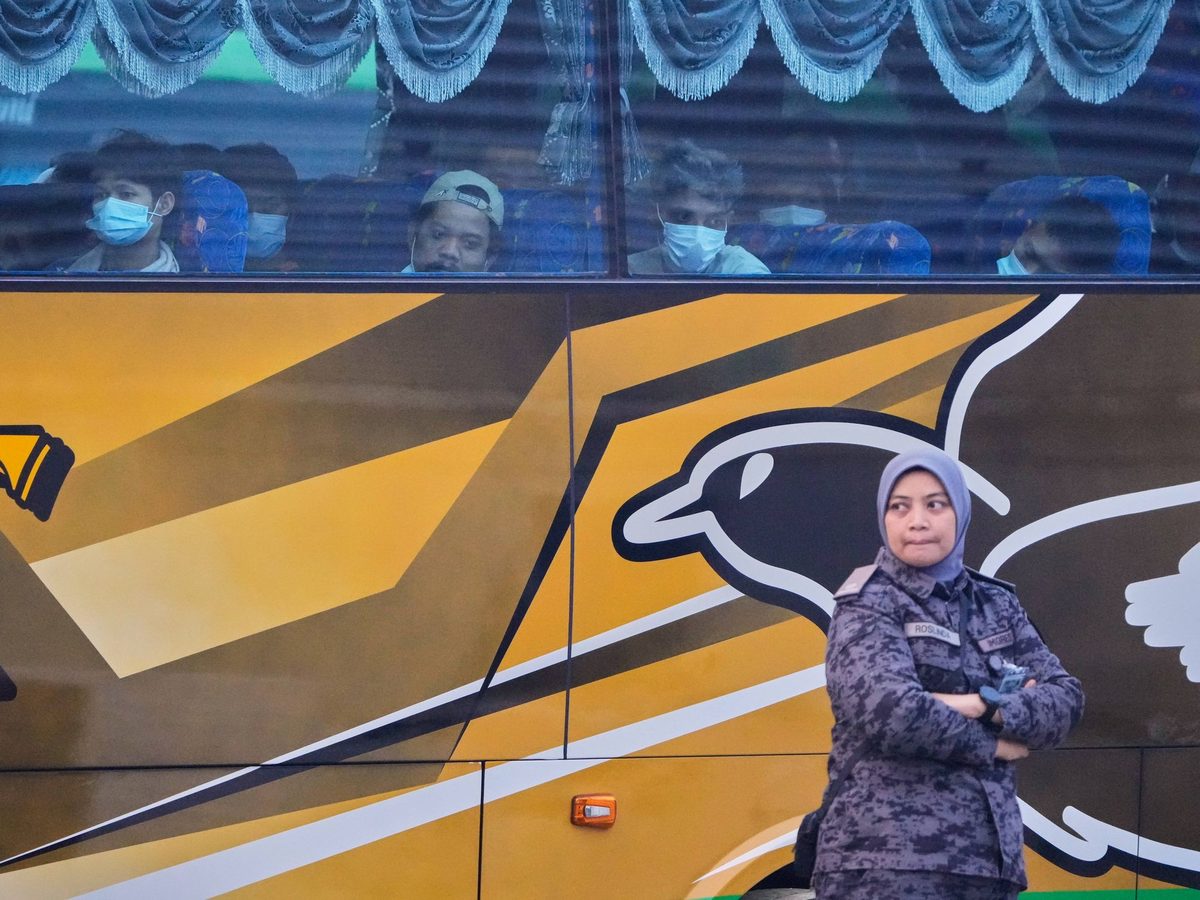
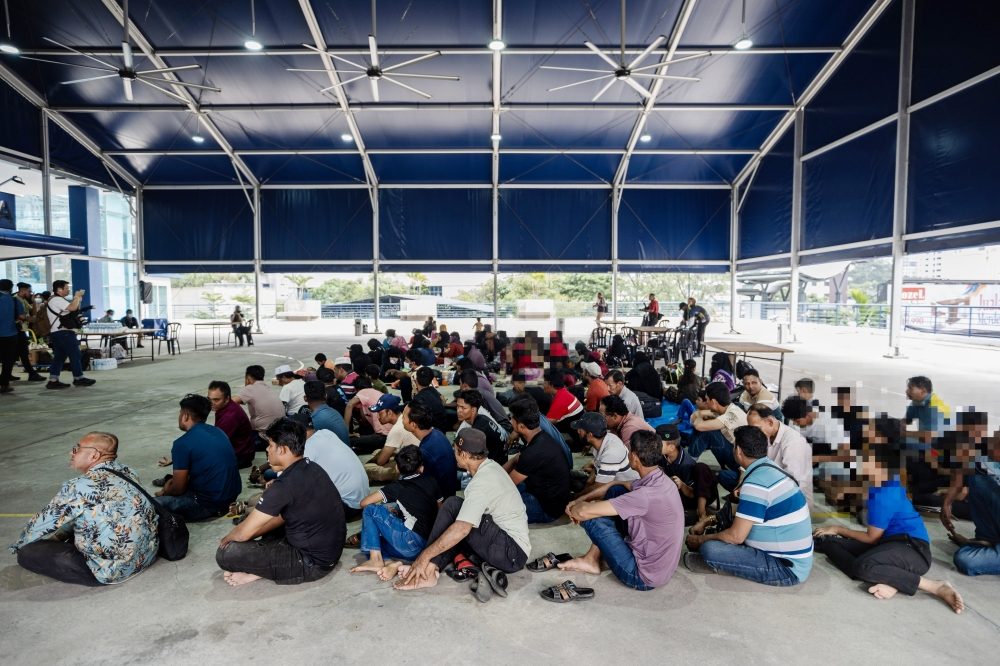
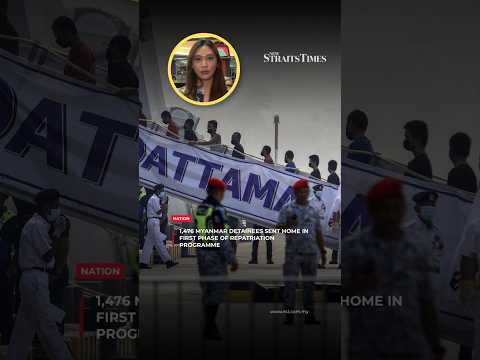
Three Myanmar navy ships left Malaysia on September 29, carrying 1,476 Rohingya refugees back to Myanmar. They are the first of up to 5,000 people Malaysia agreed to return under a deal between Prime Minister Anwar Ibrahim and Myanmar's military leader, Min Aung Hlaing.

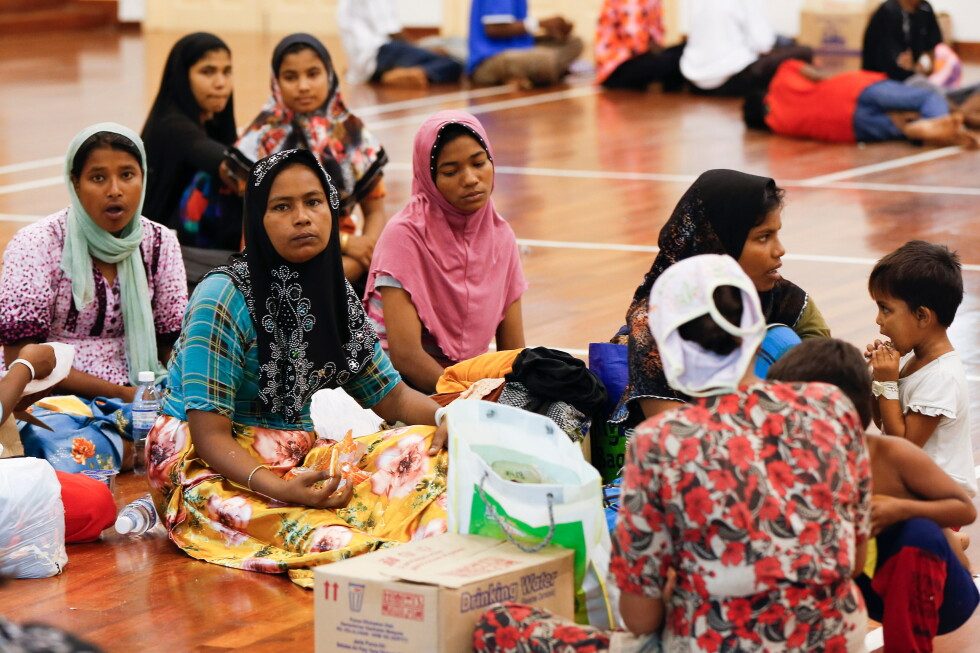
Rohingya are a Muslim minority who fled Myanmar after the 2017 military crackdown and are not recognized as citizens there. The UN refugee agency says Myanmar is not safe for returnees, and Malaysia barred UNHCR from screening the ship's passengers.

Why it matters

These returns put Malaysia's 193,000 registered Myanmar refugees on notice: the country that once sheltered them now ships them back, to a place where they are stateless.

Questions about this story

Free account needed to ask — your question is kept and asked for you right after sign-up. Answers are public.

No questions yet — be the first to ask.

Key Indicators

1,476
First-phase returnees
Departed September 29 aboard three Myanmar navy ships from Lumut, Malaysia.
5,000
Total targeted for return
Agreed between Malaysia and Myanmar; roughly 3,524 remain after first phase.
193,000
Registered Myanmar refugees in Malaysia
UNHCR figure from end of February; about two-thirds are Rohingya.
400,000+
Signatures on expulsion petition
Change.org petition calling for Rohingya removal, taken down after going viral in mid-2026.

Voices

Curated perspectives — historical figures and your fellow readers.

Ever wondered what historical figures would say about today's headlines?

Sign up to generate historical perspectives on this story.

People Involved

Organizations Involved

Timeline

August 2017 September 2026

5 events Latest: Yesterday
Tap a bar to jump to that date
  1. Malaysia begins first repatriation phase

    Latest Repatriation

    First 1,476 Myanmar nationals, mostly Rohingya, depart Lumut aboard three Myanmar navy ships; Home Ministry says review will precede later phases.

  2. Air strikes kill 49 in Rakhine State market attack

    Conflict

    Arakan Army says two bombs killed 49 people at Kyauktaw market, in territory where most Rohingya returnees would be sent.

  3. Anti-Rohingya campaign goes viral in Malaysia

    Social

    Online complaint about waste disposal during Eid al-Adha spreads false claims about Rohingya demanding land and citizenship; Change.org petition later tops 400,000 signatures.

  4. Malaysia launches refugee registration document program

    Policy

    DPP registration initiative for asylum seekers and refugees begins; rights groups later raise questions about how it identifies people for return.

  5. Myanmar military launches crackdown in Rakhine State

    Atrocity

    Clearance operations against Rohingya villages drive over 700,000 people into Bangladesh; became subject of an International Court of Justice genocide case.

Scenarios

1

Malaysia completes return of all 5,000 Myanmar nationals

Likely Resolves by Q1 2027

Discussed by: Malaysian government statements; Straits Times reporting

The Home Ministry reviews the first phase, finds no cause for pause, and proceeds with subsequent phases through 2026 and into 2027. Malaysia continues to describe the returns as voluntary. UNHCR and rights groups keep objecting, but neither has enforcement power over a state that is not a party to the Refugee Convention.

2

Malaysia pauses Rohingya repatriation after review

Possible Resolves by Jan 31, 2027

Discussed by: UNHCR; Amnesty International Malaysia; Asylum Access Malaysia

A security incident in Myanmar, international pressure, or a review finding that conditions on the ground cannot support safe return forces Malaysia to suspend further phases. Myanmar's inability to guarantee safety in a conflict zone under air bombardment makes this a live possibility.

3

Malaysia expands repatriation program beyond 5,000

Possible Resolves by Q2 2027

Discussed by: Lowy Institute analysis of public hostility trends

Sustained public pressure, including petitions with hundreds of thousands of signatures and continued harassment of Rohingya communities, pushes Anwar's government to widen the return program. The Home Ministry announces additional phases covering more than the original 5,000. This scenario depends on the first two phases proceeding without major incident.

Historical Context

3 moments from history that rhyme with this story — and how they unfolded.

1989-1997

Hong Kong's Vietnamese boat people repatriation (1989-1997)

Hong Kong accepted Vietnamese boat people fleeing post-war chaos from 1975 onward. By the late 1980s, with arrivals continuing and public resentment growing, Hong Kong shifted from first asylum to closed camps, screening interviews, and a forced-return program that rights groups said included involuntary departures.

Then

Tens of thousands of Vietnamese were returned over several years, often under coercion and amid protests, before Hong Kong ended first asylum entirely ahead of the 1997 handover to China.

Now

The case became the classic example of an asylum-receiving state reversing its policy when arrivals persisted and domestic patience ran out, leaving the UNHCR with limited leverage.

Why this matters now

Malaysia's shift from sheltering Rohingya to sending them back mirrors the Hong Kong template: sustained arrivals, economic strain, and public hostility driving a government to abandon refugee protections it had previously extended.

May 2015

Rohingya boat crisis (2015)

After Thailand cracked down on smuggling camps, traffickers abandoned boats loaded with Rohingya migrants at sea. Thailand, Malaysia, and Indonesia initially turned the boats away, leaving thousands stranded without adequate food or water in the Andaman Sea.

Then

International outcry forced the three countries to allow temporary disembarkation and provide limited shelter under a one-year arrangement.

Now

The episode set a regional pattern: Rohingya arrivals were treated as a security and smuggling problem, not a refugee issue, since none of the three countries is party to the UN Refugee Convention.

Why this matters now

Malaysia is now extending that pattern from at-sea pushbacks to the organized return of people who lived inside the country for years, under a formal agreement with Myanmar's military government.

August 2017

Myanmar's Rakhine crackdown and exodus (2017)

Myanmar's military launched 'clearance operations' in Rakhine State after an insurgent attack. More than 700,000 Rohingya fled to Bangladesh within months, with documented killings, arson, and rape. The operations became the basis of a genocide case at the International Court of Justice.

Then

The exodus created the world's fastest-growing refugee crisis. Bangladesh's Cox's Bazar camps now hold roughly a million stateless Rohingya, facing a separate repatriation deadlock.

Now

Successive Myanmar governments refused to recognize Rohingya as citizens, confining them to Rakhine State, where they face travel restrictions and confinement to camps.

Why this matters now

Most of the 193,000 Myanmar refugees in Malaysia fled during or after these operations. The people now being returned would go back to a Rakhine State largely controlled by the Arakan Army and under sustained air bombardment.

Sources

(11)