

Logo
Daily Brief
Following
Why
The Gambia v. Myanmar: World's First Genocide Case in a Decade Goes to Trial

The Gambia v. Myanmar: World's First Genocide Case in a Decade Goes to Trial

A tiny West African nation takes on Myanmar's military at the UN's highest court

Overview

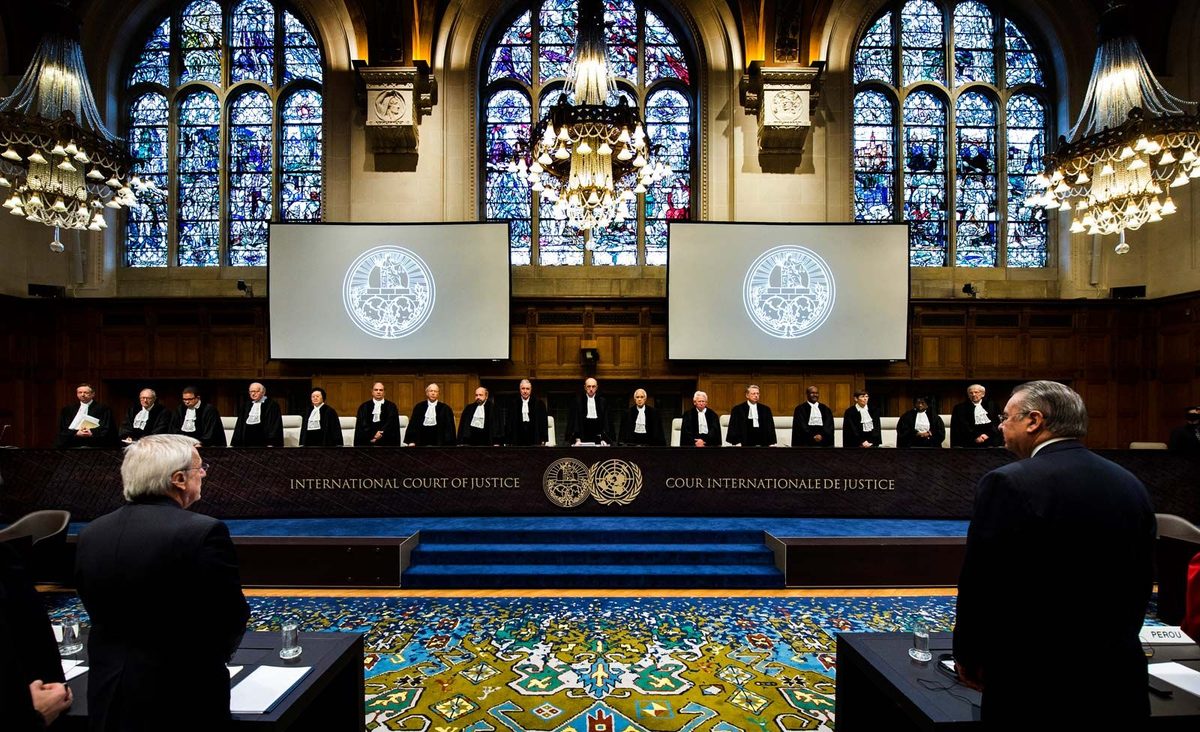
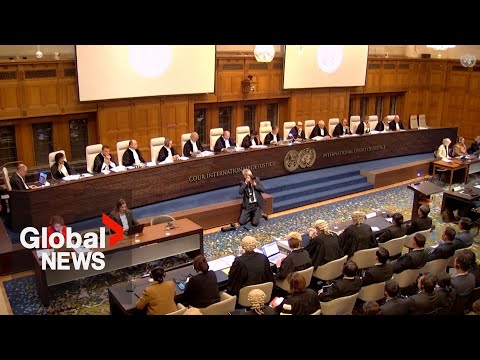
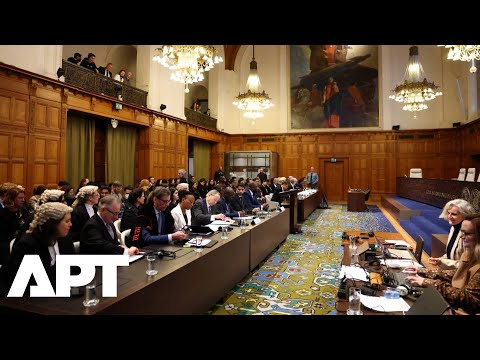
The Gambia—population 2.5 million, no direct ties to Myanmar—is prosecuting one of history's most ambitious genocide cases. On January 12, 2026, the International Court of Justice opened three weeks of hearings on whether Myanmar's military deliberately tried to destroy the Rohingya people. It's the first full genocide trial at the world court since Serbia was held accountable for Srebrenica in 2007.

The stakes extend far beyond Myanmar. Over 700,000 Rohingya fled to Bangladesh in 2017, their villages burned, thousands killed. A ruling against Myanmar would be only the second time a state has been held responsible for genocide—and would likely influence the outcome of South Africa's pending case against Israel over Gaza.

Key Indicators

700,000+
Rohingya Displaced
Refugees who fled to Bangladesh during the 2017 military campaign.
1.3M
Refugees in Camps
Rohingya living in Bangladesh as of 2025, including those from earlier waves.
11
Countries Intervening
States that joined the case supporting The Gambia's position.
6,700+
Killed in First Month
Rohingya deaths between August 25 and September 24, 2017.

People Involved

Dawda Jallow
Dawda Jallow
Attorney General and Minister of Justice, The Gambia (Leading prosecution at ICJ)
Senior General Min Aung Hlaing
Senior General, Commander-in-Chief of Myanmar Armed Forces (Facing ICC arrest warrant application; subject of Argentine arrest warrant)
Aung San Suu Kyi
Aung San Suu Kyi
Former State Counsellor of Myanmar (Detained since 2021 coup; subject of Argentine arrest warrant)

Organizations Involved

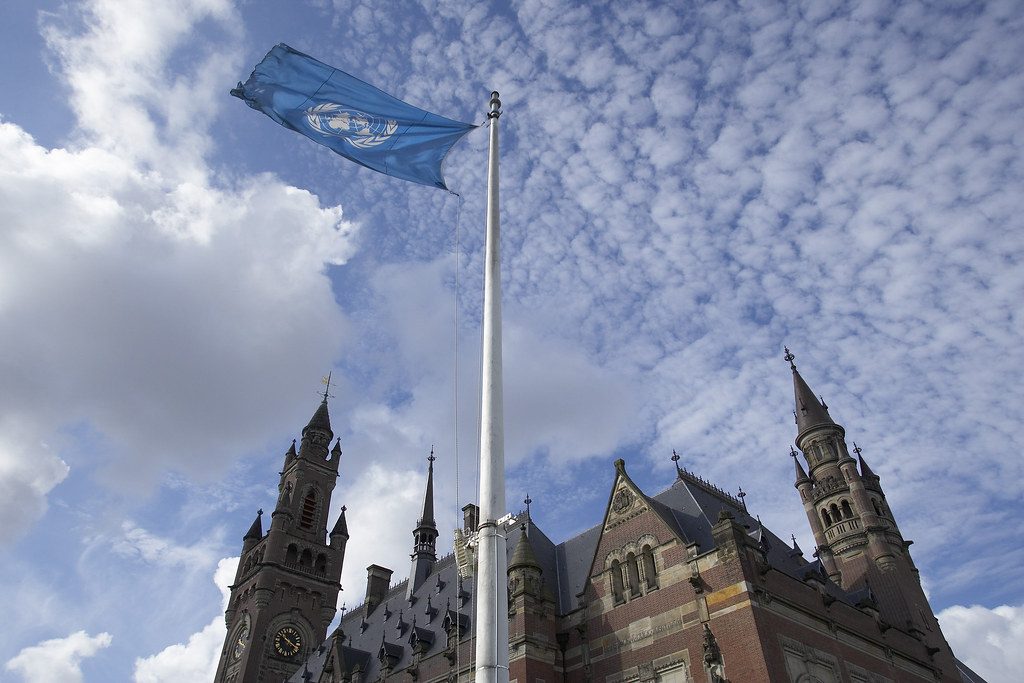
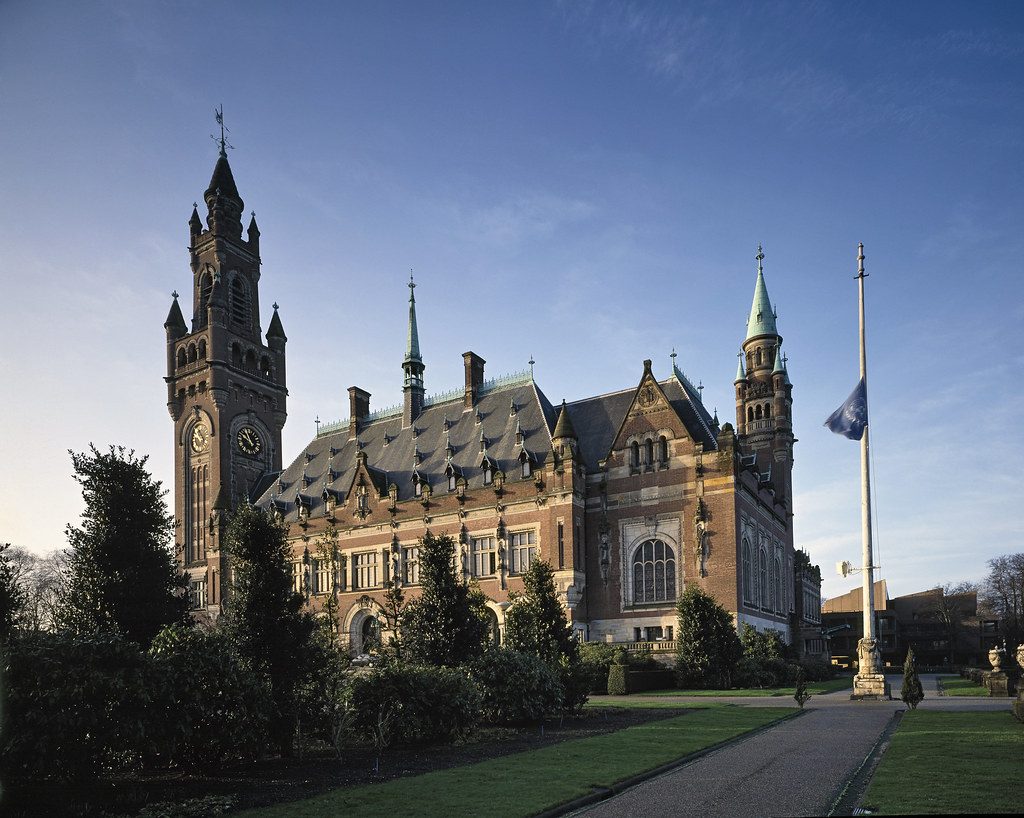
International Court of Justice
UN Principal Judicial Organ
Status: Hearing merits of genocide case

The UN's highest court settles disputes between states and issues advisory opinions on international law.

National Unity Government of Myanmar
Opposition Government in Exile
Status: Accepted ICJ jurisdiction, withdrew objections

Myanmar's shadow government formed by elected lawmakers ousted in the 2021 coup.

TA
Tatmadaw (Myanmar Armed Forces)
Military
Status: Defendant in ICJ case; denies genocide

Myanmar's military, which conducted the 2017 operations and seized power in 2021.

Timeline

  1. ICJ Opens Genocide Merits Hearings

    Legal

    Three-week trial begins. Gambia's Jallow tells judges Rohingya were 'targeted for destruction.'

  2. Argentina Issues First Universal Jurisdiction Arrest Warrants

    Legal

    Buenos Aires court issues warrants for Min Aung Hlaing and 24 other military officials for genocide.

  3. ICC Prosecutor Seeks Min Aung Hlaing Arrest Warrant

    Legal

    Karim Khan applies for arrest warrant for crimes against humanity of deportation and persecution.

  4. ICJ Rejects Myanmar's Jurisdictional Objections

    Legal

    Court rules it has authority to hear genocide case, clearing path to merits hearing.

  5. Shadow Government Drops Objections

    Legal

    National Unity Government accepts ICJ jurisdiction and withdraws all preliminary objections filed by previous regime.

  6. Military Coup Overthrows Elected Government

    Political

    Tatmadaw seizes power, detains Aung San Suu Kyi and other civilian leaders on fabricated charges.

  7. ICJ Orders Provisional Measures

    Legal

    Court unanimously orders Myanmar to prevent genocidal acts, preserve evidence, and report every six months.

  8. Suu Kyi Defends Myanmar at ICJ

    Legal

    Nobel laureate tells judges genocide claims are 'incomplete and misleading,' calls operations counter-terrorism.

  9. The Gambia Files ICJ Case

    Legal

    With backing from 57 Islamic nations, The Gambia invokes Genocide Convention at the World Court.

  10. UN Calls for Genocide Prosecution

    Investigation

    Independent fact-finding mission finds genocidal intent, names six generals including Min Aung Hlaing for prosecution.

  11. ARSA Attacks Trigger Military Offensive

    Military

    Rohingya insurgents attack 30 security posts. Military launches 'clearance operations' that UN later calls genocide.

  12. Myanmar Strips Rohingya of Citizenship

    Legal

    Citizenship Law renders Rohingya stateless, excluding them from recognized ethnic groups.

Scenarios

1

ICJ Rules Myanmar Committed Genocide

Discussed by: Human Rights Watch, international law scholars, Rohingya advocacy groups

The court finds Myanmar violated the Genocide Convention with specific intent to destroy the Rohingya. This would be only the second such ruling after Bosnia v. Serbia. Myanmar would be ordered to pay reparations and take concrete steps toward accountability. The ruling would strengthen South Africa's case against Israel and establish that states can be held responsible for genocide even when perpetrators haven't been individually convicted.

2

Court Finds Violations Short of Genocide

Discussed by: Legal analysts at Just Security, Opinio Juris, academic international law blogs

Following the Bosnia precedent, the ICJ finds Myanmar committed crimes against humanity and failed to prevent atrocities, but stops short of finding genocidal intent. The court would still order remedial measures and potentially reparations, but the absence of a genocide finding would be seen as a partial defeat for Rohingya advocates seeking full legal recognition of what happened.

3

Judgment Enforcement Fails, Myanmar Ignores Ruling

Discussed by: Foreign Policy analysts, UN Security Council watchers, realist IR scholars

The ICJ issues a ruling but Myanmar—like many states before it—simply ignores it. Without UN Security Council action (unlikely given China and Russia's veto power), enforcement mechanisms are toothless. The ruling becomes symbolic: legally significant but practically irrelevant to the 1.3 million Rohingya still in camps. This scenario would reinforce criticism that international justice is structurally incapable of holding powerful actors accountable.

4

Political Change in Myanmar Enables Accountability

Discussed by: Crisis Group, The Diplomat, pro-democracy Myanmar analysts

The resistance movement defeats the junta. A new democratic government, perhaps led by the National Unity Government, cooperates with international justice mechanisms. ICC arrest warrants become enforceable domestically. Reparations programs begin. This scenario depends entirely on the civil war's outcome and could take years to materialize, but the NUG's acceptance of ICJ jurisdiction signals intent.

Historical Context

Bosnia v. Serbia at the ICJ (2007)

March 1993 – February 2007

What Happened

Bosnia filed genocide charges against Serbia at the ICJ in 1993, during the war. After 14 years of proceedings, the court ruled in 2007 that Serbia did not commit or conspire to commit genocide—but did fail to prevent the Srebrenica massacre, where 8,000 Bosnian Muslim men and boys were killed in July 1995.

Outcome

Short Term

Serbia was declared in violation of the Genocide Convention for failing to prevent Srebrenica, but paid no reparations. The court found the declaration itself was sufficient remedy.

Long Term

The case established that states can be held responsible under the Genocide Convention and created the legal framework for proving state responsibility for genocide—the same framework now being applied to Myanmar.

Why It's Relevant Today

This is the only completed ICJ genocide case. The Gambia must prove not just atrocities occurred, but that Myanmar had specific intent to destroy the Rohingya as a group—the same high bar Bosnia struggled to clear.

Rwanda Genocide and the ICTR (1994–2015)

April – July 1994

What Happened

In 100 days, Hutu extremists killed an estimated 800,000 Tutsis and moderate Hutus in Rwanda. The UN established the International Criminal Tribunal for Rwanda in November 1994, which operated for 21 years and convicted 61 individuals, including the first-ever conviction of a head of government for genocide.

Outcome

Short Term

Prime Minister Jean Kambanda received a life sentence. The tribunal established that rape constitutes genocide and that media figures can be prosecuted for inciting genocide.

Long Term

The ICTR created foundational genocide jurisprudence but faced criticism for 'victor's justice'—never prosecuting crimes by the Rwandan Patriotic Front. It closed in 2015 with mixed legacy.

Why It's Relevant Today

Rwanda shows both the potential and limits of international justice. Individual perpetrators were convicted, but the tribunal couldn't address state responsibility. The Myanmar case combines both—ICC pursuing individuals while ICJ pursues the state.

Cambodian Genocide Tribunal (2006–2022)

1975–1979 (atrocities); 2006–2022 (tribunal)

What Happened

The Khmer Rouge killed an estimated 1.7-2.5 million Cambodians. It took 27 years after the regime fell to establish a tribunal, which ultimately convicted only three senior leaders. Two died during proceedings.

Outcome

Short Term

Nuon Chea and Khieu Samphan received life sentences in 2018 for genocide against ethnic Vietnamese and Muslim Cham minorities.

Long Term

The tribunal closed in 2022 having spent over $300 million and convicted just three people. It demonstrated how justice delayed can mean justice denied—most perpetrators died before facing trial.

Why It's Relevant Today

The decades-long delay in Cambodia haunts Rohingya advocates. Over 700,000 refugees have already spent eight years in camps. An ICJ ruling in 2026 comes nearly a decade after the atrocities—swift by Cambodia standards, but agonizingly slow for survivors.

10 Sources: