

Logo
Daily Brief
Following
Why
38 Dead in Mali Ferry Sinking After Captain Defied Nighttime Docking Ban

38 Dead in Mali Ferry Sinking After Captain Defied Nighttime Docking Ban

Security rules meant to prevent jihadist attacks led to fatal shortcut on the Niger River

Overview

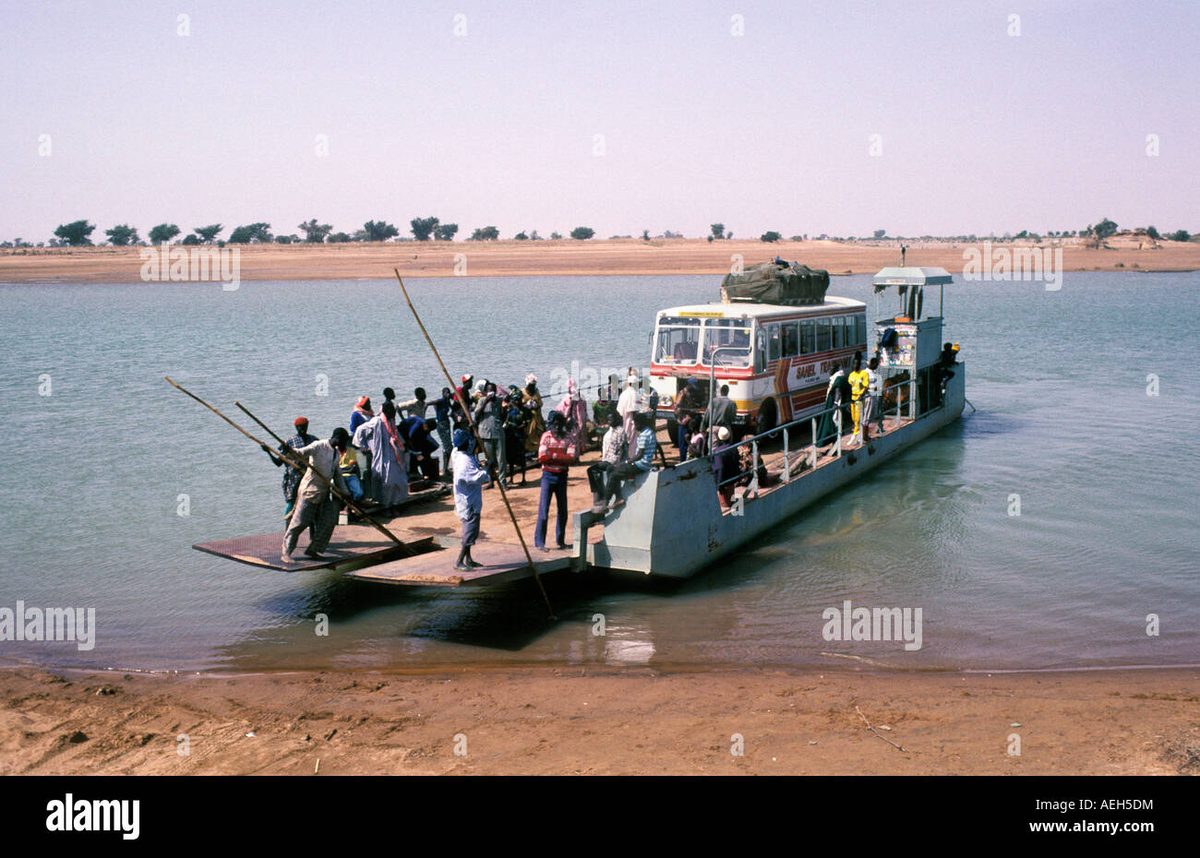
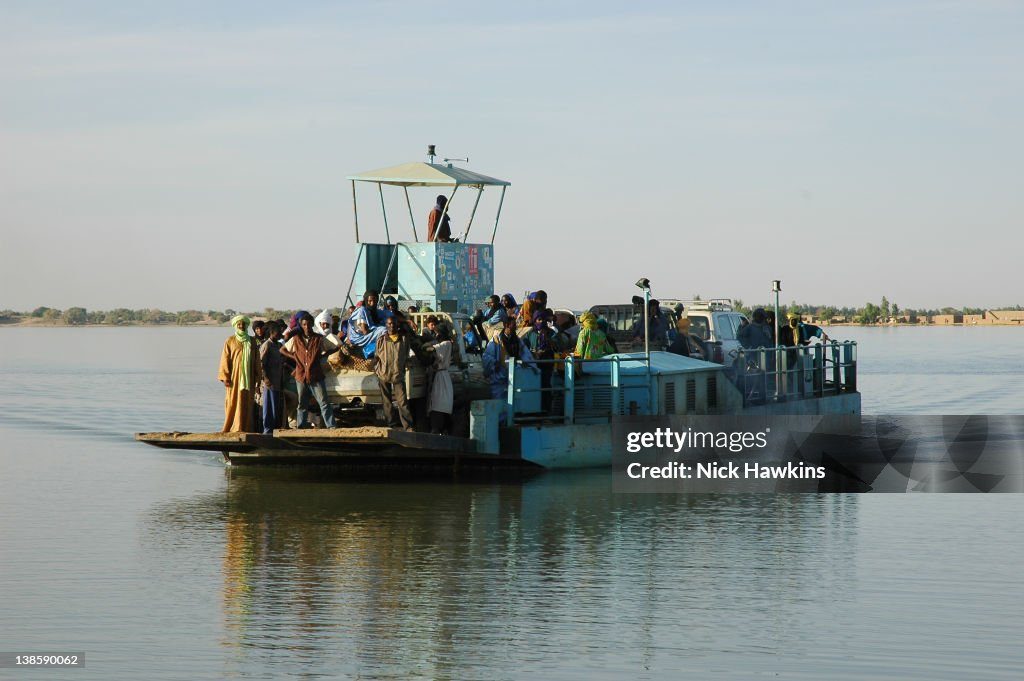
A ferry carrying rice farmers and their families struck rocks and sank near the town of Diré in Mali's Timbuktu region on January 8, 2026, killing 38 people. The captain had refused to wait until morning to dock—a decision that violated security rules prohibiting after-dark landings due to al-Qaeda-linked militant activity. When he attempted an alternate landing site, the vessel hit submerged rocks and went down.

The tragedy underscores a grim paradox in northern Mali: security measures designed to protect civilians from jihadist violence are now forcing them into fatal choices. With JNIM militants enforcing a months-long blockade on roads and waterways, river transport has become a lifeline for isolated communities—and a deadly gamble. One resident, Moussa Ag Almoubarek Traoré, lost 21 family members in a single night.

Key Indicators

38
Confirmed dead
Bodies recovered from the Niger River near Diré
23
Survivors
Passengers rescued from the capsized ferry
21
Family members lost
Deaths from a single family, as reported by resident Moussa Ag Almoubarek Traoré
55%
African ferry death increase
Rise in ferry fatalities across Africa from 2023 to 2024

People Involved

AT
Alkaidi Touré
Former National Assembly deputy, Timbuktu region resident (Serving as local source and spokesman)
MT
Moussa Ag Almoubarek Traoré
Diré resident, disaster witness (Grieving loss of 21 family members)

Organizations Involved

JA
Jama'at Nusrat al-Islam wal-Muslimin (JNIM)
Armed militant group
Status: Active in Timbuktu region, enforcing blockade

Al-Qaeda-affiliated jihadist coalition operating across Mali, Niger, and Burkina Faso.

MA
Mali Transitional Government
Military government
Status: Under pressure from JNIM blockade, conducting indirect negotiations

Military junta that seized power in 2020 and again in 2021, now struggling to maintain control amid jihadist advances.

Timeline

  1. Death Toll Confirmed at 38

    Update

    Local officials and former deputy Alkaidi Touré confirmed 38 dead and 23 survivors. One resident reported losing 21 family members.

  2. Ferry Sinks Near Diré, 38 Dead

    Disaster

    A ferry carrying rice farmers and families struck rocks and sank on the Niger River after the captain defied the nighttime docking ban. 38 died, 23 survived.

  3. U.S. Orders Non-Emergency Staff to Leave Mali

    Advisory

    The U.S. State Department ordered non-emergency embassy employees and family members to depart Mali due to deteriorating security.

  4. Junta Authorizes Local JNIM Negotiations

    Political

    Mali's military government quietly green-lighted local negotiations with JNIM to ease the fuel blockade, reversing its previous refusal to engage.

  5. JNIM Begins Fuel Blockade of Bamako

    Economic

    JNIM seized control of highways from Senegal and Ivory Coast, cutting off 95% of Mali's fuel supply and triggering nationwide shortages.

  6. JNIM Attacks Timbuktu Military Installations

    Military

    JNIM militants launched coordinated assaults on an army camp and airport in Timbuktu, killing approximately 60 Malian soldiers. Russian mercenaries were also targeted.

  7. Mali Withdraws from ECOWAS

    Political

    Mali formally left the Economic Community of West African States, severing ties with the regional bloc that had coordinated anti-jihadist efforts.

  8. Malian Forces Kill 7 Civilians in Timbuktu Region

    Violence

    Malian armed forces and Wagner fighters conducted a military operation in Attara village, summarily killing seven civilian men and looting property.

Scenarios

1

Security Rules Tighten, Accidents Continue

Discussed by: Human Rights Watch, International Crisis Group

Authorities reinforce the nighttime docking ban and impose stricter enforcement, but without addressing the underlying security crisis, civilian ferry operators continue taking risks to avoid militant-controlled areas. Fatal accidents remain a recurring feature of life in northern Mali.

2

JNIM Negotiations Ease Blockade, River Traffic Normalizes

Discussed by: Critical Threats, RFI analysts

Ongoing negotiations between the junta and JNIM produce a local agreement that lifts restrictions on river traffic near Timbuktu. Daytime passages become safer, reducing pressure on captains to take fatal shortcuts. This scenario depends on JNIM's willingness to trade waterway access for other concessions.

3

JNIM Takes Effective Control of Timbuktu Region

Discussed by: The Soufan Center, Atlantic Council, Al Jazeera

If JNIM consolidates control over northern Mali, the group could impose its own rules on river transport. Civilians would face different risks—compliance with jihadist edicts rather than military curfews—but ferry operations might stabilize under de facto JNIM governance.

4

Mass Displacement from Timbuktu Region

Discussed by: UN Security Council, Global Centre for the Responsibility to Protect

Continued violence and blockades make the Timbuktu region uninhabitable for civilians. Populations migrate south toward Bamako or across borders, emptying river towns like Diré. Ferry traffic collapses as there's no one left to transport.

Historical Context

MV Le Joola Disaster, Senegal (2002)

September 2002

What Happened

The Senegalese government ferry MV Le Joola capsized off the coast of The Gambia on September 26, 2002, killing 1,863 people. The ship, designed for 536 passengers, was carrying over 1,928 people—mostly students, traders, and families traveling between the Casamance region and Dakar. The Casamance separatist rebellion had made overland travel dangerous, funneling passengers onto the only safe route: the sea.

Outcome

Short Term

Prime Minister Mame Madior Boye was dismissed along with much of her cabinet. The government offered families approximately $22,000 per victim.

Long Term

No one was ever prosecuted. Senegal closed the case in 2003, blaming the dead captain. A memorial museum in Ziguinchor was finally completed in 2023—21 years after the disaster.

Why It's Relevant Today

Like the Diré sinking, the Le Joola disaster resulted from civilians forced into dangerous transport choices by regional conflict. When safer options are blocked by violence, fatal overcrowding and risky navigation become predictable outcomes.

MV Bukoba Sinking, Tanzania (1996)

May 1996

What Happened

The Lake Victoria ferry MV Bukoba sank on May 21, 1996, approximately 30 nautical miles from Mwanza, Tanzania, killing an estimated 894 to 1,000 people. The ship, with a capacity of 430 passengers, was severely overloaded. It had never been properly registered in its 17 years of operation, and third-class passengers weren't even manifested.

Outcome

Short Term

Tanzania lacked rescue equipment; South African divers were flown in to retrieve bodies. A Commission of Enquiry was appointed under Judge Robert Kisanga.

Long Term

The disaster exposed systematic failures in African ferry regulation: no life jackets, no working distress signals, no routine maintenance, no enforcement of capacity limits.

Why It's Relevant Today

The MV Bukoba illustrates a pattern that persists across African waterways: vessels that are overloaded, poorly maintained, and operating outside regulatory oversight. The Diré ferry operated under similar conditions—no reliable statistics exist on Niger River accidents, and enforcement of safety measures is largely absent.

Niger River Boat Disasters, Nigeria (2021-2023)

2021-2023

What Happened

Nigeria's Niger River corridor experienced a wave of fatal boat accidents: 98 dead in Kebbi State in May 2021 when an overloaded vessel broke in two; over 100 dead in Kwara State in June 2023 when a boat carrying wedding guests capsized in heavy rain. Nigerian waterways recorded an estimated 150-350 deaths in 2020 alone, with 2023 proving the deadliest year at 421 fatalities.

Outcome

Short Term

Local outcry followed each disaster, but enforcement of safety regulations remained minimal.

Long Term

Boat transport persists as the safest option in regions where roads are controlled by armed gangs or impassable during monsoon season. The death toll continues.

Why It's Relevant Today

The Niger River crosses multiple countries with similarly weak regulatory capacity. Conditions in Mali mirror those in Nigeria: overloaded vessels, absent life jackets, and civilians choosing water transport because land routes are too dangerous.

10 Sources: