

Pull to refresh
Logo
Daily Brief
Following
Why Ranks Sign Up
Michigan researchers target the gut to reverse severe fatty liver disease

Michigan researchers target the gut to reverse severe fatty liver disease

New Capabilities

An experimental tripeptide, DT-109, cleared fatty liver damage in mice and monkeys by sealing a leaky gut barrier

Yesterday: Findings reach wide coverage

Overview

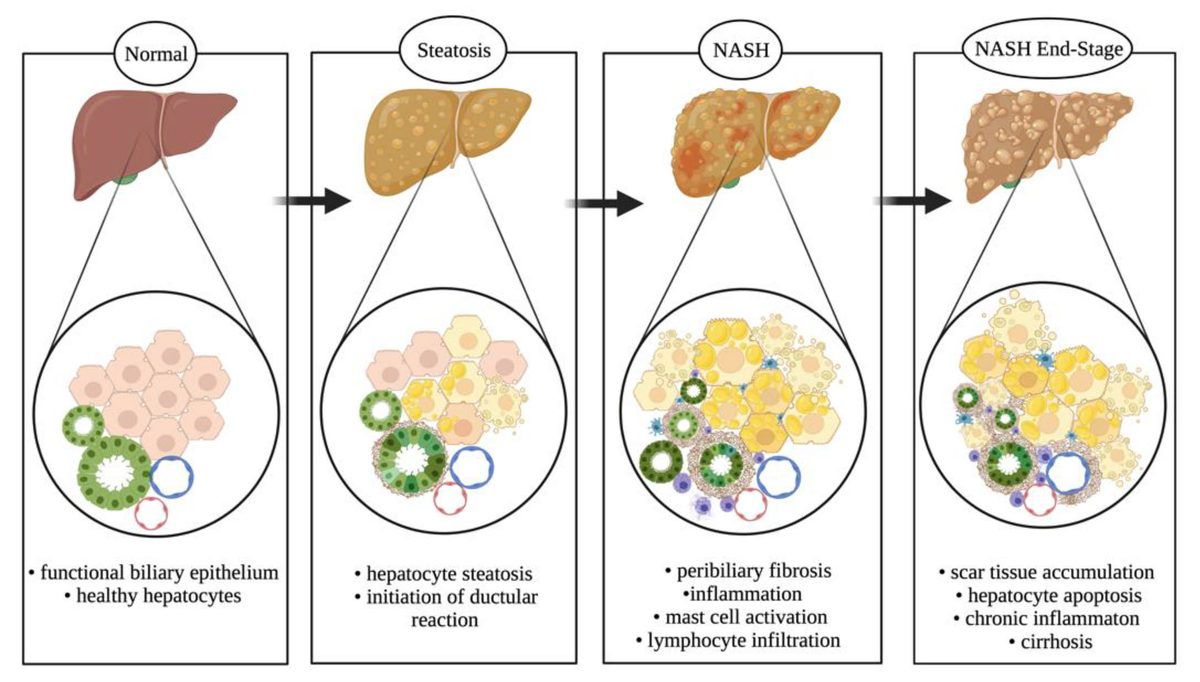
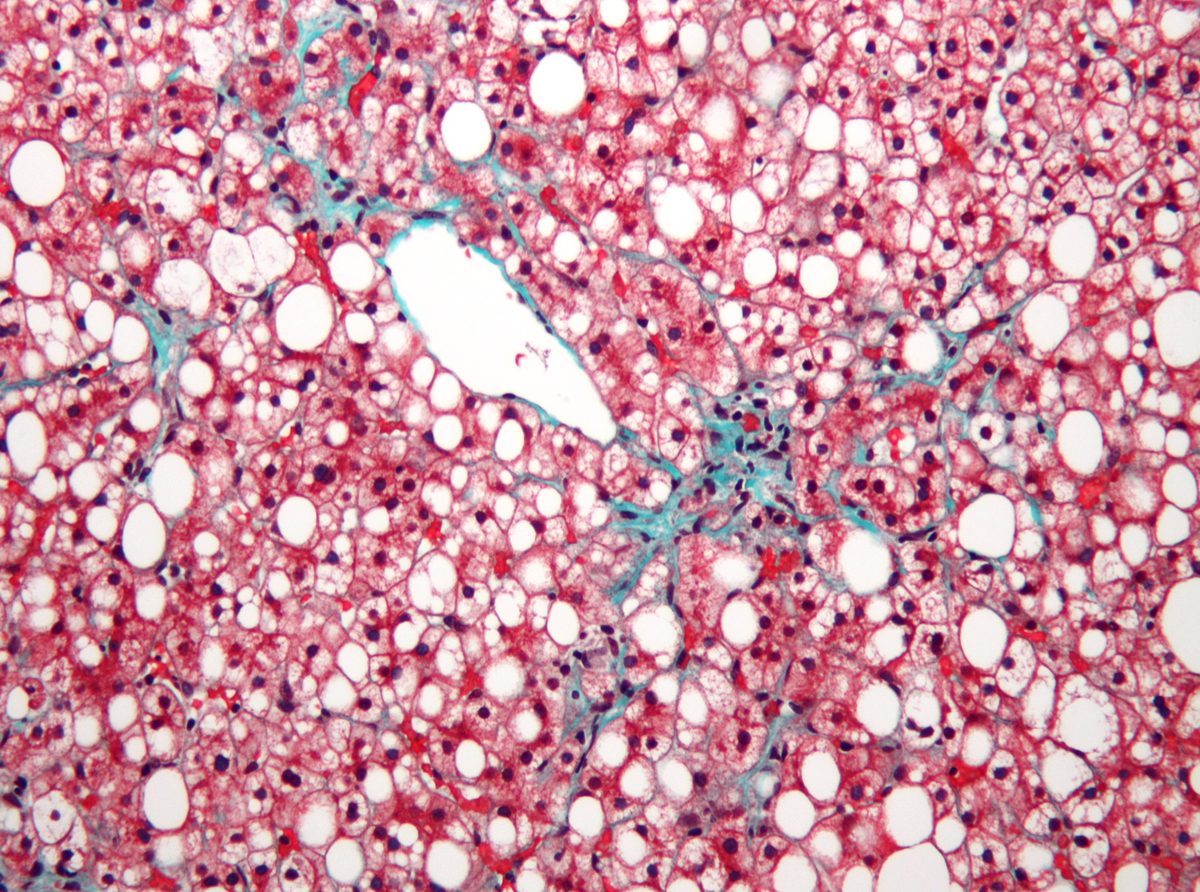
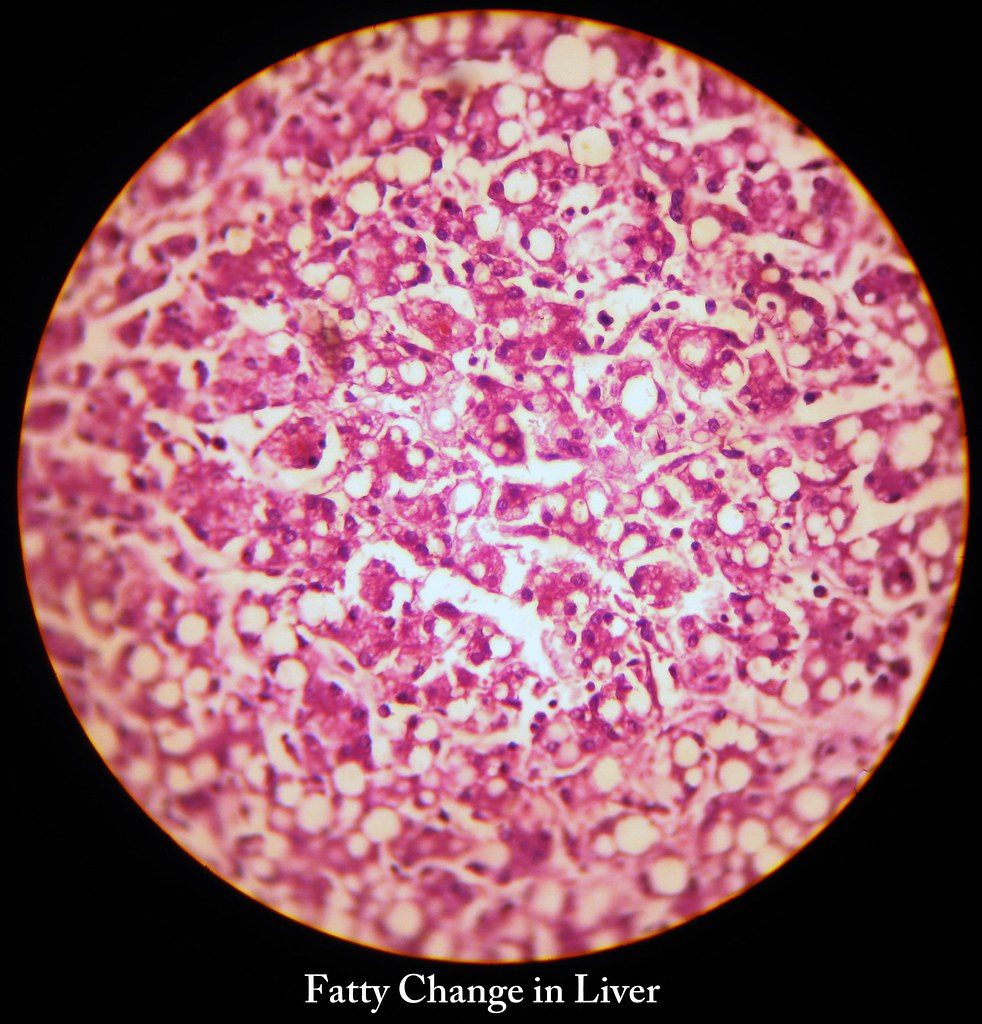
Severe fatty liver disease has almost no drugs that reverse it. On July 11, 2026, a University of Michigan team reported that an experimental compound called DT-109 did exactly that in mice and monkeys, by fixing the gut instead of the liver.

The drug is preclinical. No human has taken it for this condition. But the mechanism is new: it treats liver damage as a downstream symptom of a leaky, toxin-producing gut, and that points to a different way to attack a disease headed toward becoming the top cause of liver transplants.

Why it matters

Roughly 1 in 14 people worldwide has this liver disease, and it can end in cirrhosis, cancer, or a transplant. Effective drugs are scarce.

Questions about this story

No questions yet — be the first to ask.

Key Indicators

~7%
Global MASH prevalence
Share of the world's population affected by metabolic dysfunction-associated steatohepatitis.
2019
Year DT-109 was created
Chen's lab designed the tripeptide after linking impaired glycine metabolism to fatty liver disease.
2
Animal models tested
The drug reduced liver damage in both mice and nonhuman primates.
3 amino acids
Size of the molecule
DT-109 is a tripeptide, glycine-glycine-leucine.

Voices

Curated perspectives — historical figures and your fellow readers.

Ever wondered what historical figures would say about today's headlines?

Sign up to generate historical perspectives on this story.

Play

Exploring all sides of a story is often best achieved with Play.

Log in to play. Track your picks, climb the leaderboards. Log in Sign Up
Predict 3 ways this could play out. Contrarian picks score more — points lock when the scenario resolves. Log in to play
Higher or Lower Two numbers from this story. Guess which is bigger. 5 rounds to set a streak. Log in to play
Connections Sixteen names from the news. Find the four hidden groups of four. Log in to play

People Involved

Organizations Involved

Timeline

January 2019 July 2026

5 events Latest: Yesterday
Tap a bar to jump to that date
  1. Findings reach wide coverage

    Latest Announcement

    Science outlets report that DT-109 reversed severe fatty liver disease in animal models by protecting the gut, a new therapeutic angle for MASH.

  2. Gut-liver MASH study published

    Research

    The Journal of Clinical Investigation publishes the finding that DT-109 attenuates MASH by curbing Clostridium perfringens ammonia and repairing the gut barrier.

  3. DT-109 clears artery plaque in primates

    Research

    The team reports the same compound reduces atherosclerosis and vascular calcification in nonhuman primates, showing dual-organ potential.

  4. First MASH drug reaches the US market

    Context

    The Food and Drug Administration approves resmetirom (Rezdiffra), the first drug cleared to treat MASH, setting a benchmark for new entrants.

  5. Chen's lab designs DT-109

    Research

    University of Michigan researchers create the glycine-based tripeptide after tying broken glycine metabolism to fatty liver disease.

Historical Context

3 moments from history that rhyme with this story — and how they unfolded.

March 2024

First MASH drug approved (2024)

The Food and Drug Administration approved resmetirom, sold as Rezdiffra, the first drug ever cleared to treat MASH. It works inside the liver by activating a thyroid hormone receptor to cut liver fat.

Then

Patients with moderate-to-advanced MASH finally had an approved option beyond diet and weight loss.

Now

It opened a market and set the efficacy and safety bar that later candidates, including gut-focused ones, must clear.

Why this matters now

DT-109 would compete in a field that now has a proven drug, but it attacks the disease from the gut rather than the liver.

2024-2025

GLP-1 drugs expand into liver disease (2024-2025)

Semaglutide, the active ingredient in Ozempic and Wegovy, showed benefit against MASH in trials, extending blockbuster metabolic drugs into liver care. The results pushed liver disease onto the agenda of the biggest drugmakers.

Then

Large trials reported reduced liver inflammation and scarring in MASH patients.

Now

It signaled that metabolic and gut-hormone pathways, not just the liver itself, could drive liver-disease treatment.

Why this matters now

DT-109's gut-first logic fits a broader shift toward treating the liver by targeting metabolism and the digestive tract.

2013-2019

Fecal transplants prove the gut-liver link (2010s)

Doctors used fecal microbiota transplants to treat severe gut infections and studied them in liver disease, offering early clinical proof that changing gut bacteria can alter liver outcomes.

Then

The approach became a standard rescue for recurrent Clostridioides difficile infection.

Now

It established the gut-liver axis as a real, druggable target rather than a theory.

Why this matters now

DT-109 acts on the same axis, curbing a harmful gut bacterium instead of transplanting a whole microbiome.

Sources

(5)