Pull to refresh
Logo
Daily Brief
Following
Why Sign Up
Race to build obesity drugs that spare muscle opens new front beyond GLP-1s

Race to build obesity drugs that spare muscle opens new front beyond GLP-1s

New Capabilities
By Newzino Staff |

RNA interference, gene silencing, and metabolic accelerators challenge the dominance of appetite-suppressing injectables

Today: Wave reports six-month data: 14% visceral fat cut, muscle preserved, stock plunges

Overview

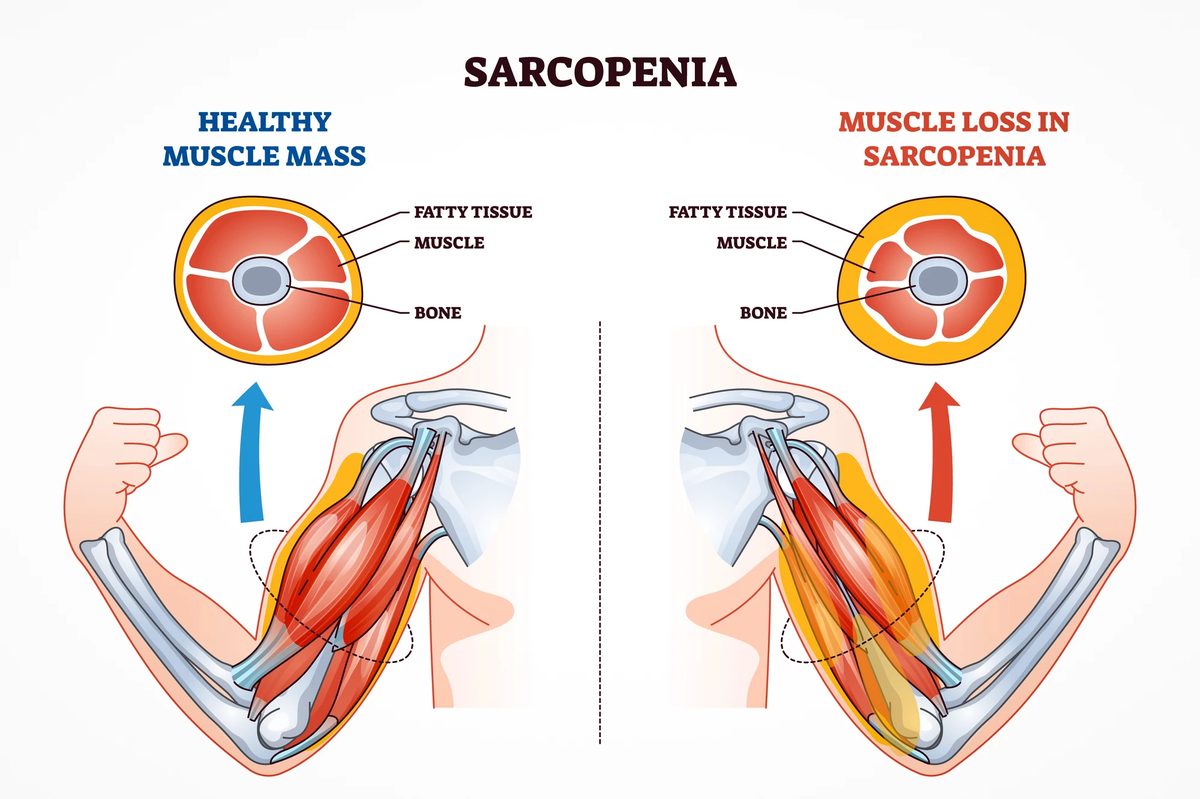
The biggest knock against today's blockbuster weight-loss drugs is that they burn muscle along with fat — up to 40% of the weight a patient loses on semaglutide can be lean tissue like muscle and bone. A new class of therapies now entering clinical trials attacks obesity through entirely different biology, targeting genes and metabolic pathways that strip fat while leaving muscle intact. On March 26, 2026, Wave Life Sciences reported that a single injection of its RNA-silencing drug WVE-007 cut visceral fat by 14.3% over six months while patients actually gained 2.4% lean mass — a profile no existing obesity drug can match.

Why it matters

If muscle-sparing obesity drugs succeed, the 100-million-plus Americans eligible for weight-loss treatment gain a fundamentally safer option.

Key Indicators

-14.3%
Visceral fat reduction (single dose, 6 months)
Placebo-adjusted reduction in visceral adipose tissue from one 240 mg injection of WVE-007
+2.4%
Lean mass change
Patients on WVE-007 gained muscle mass while losing fat, the opposite of GLP-1 drug effects
25–40%
Lean mass share of GLP-1 weight loss
Proportion of total weight lost on current GLP-1 drugs that comes from muscle and other lean tissue
$95–130B
Projected obesity drug market by 2030
Goldman Sachs estimate for global anti-obesity medication revenue
-56%
Wave stock drop on data day
Market sold off despite positive clinical signals, largely due to modest total body weight loss of just 0.9%

Interactive

Exploring all sides of a story is often best achieved with Play.

Ever wondered what historical figures would say about today's headlines?

Sign up to generate historical perspectives on this story.

Sign Up

Debate Arena

Two rounds, two personas, one winner. You set the crossfire.

People Involved

Organizations Involved

Wave Life Sciences
Wave Life Sciences
Biotechnology Company
Advancing WVE-007 from Phase 1 to Phase 2a

Singapore-headquartered RNA therapeutics company developing stereopure oligonucleotide medicines, now pivoting its platform toward metabolic disease with its INHBE-targeting obesity program.

Arrowhead Pharmaceuticals
Biotechnology Company
Advancing competing INHBE-targeting RNA therapy and first adipose-directed RNAi

Arrowhead is developing ARO-INHBE, a competing RNA interference drug targeting the same gene as Wave's WVE-007, and has shown it can double weight loss when combined with the GLP-1 drug tirzepatide.

Novo Nordisk
Novo Nordisk
Pharmaceutical Company
Market leader in GLP-1 obesity drugs; facing emerging competition

Danish pharmaceutical giant whose semaglutide products Ozempic and Wegovy generated roughly $7.6 billion in a single quarter, making it the dominant player in the weight-loss drug market that next-generation therapies now seek to reshape.

Eli Lilly and Company
Pharmaceutical Company
Second-largest GLP-1 franchise; advancing oral formulation

Eli Lilly's tirzepatide products Mounjaro and Zepbound are the main GLP-1 competitors to Novo Nordisk, and its oral GLP-1 pill orforglipron could reach approval by mid-2026.

Rivus Pharmaceuticals
Biotechnology Company
Advancing oral metabolic accelerator with fat-specific weight loss in Phase 2

Rivus is developing HU6, an oral pill that accelerates fat metabolism through mitochondrial uncoupling specifically in adipose tissue, producing weight loss with no lean mass reduction at any dose tested.

Timeline

  1. Wave reports six-month data: 14% visceral fat cut, muscle preserved, stock plunges

    Clinical Trial

    Wave Life Sciences released six-month INLIGHT data showing WVE-007 achieved a 14.3% placebo-adjusted visceral fat reduction and 2.4% lean mass gain from a single 240 mg dose. Total body weight fell only 0.9%, disappointing investors who drove the stock down 56%, though analysts at Leerink and Jefferies called the selloff overdone.

  2. Structure Therapeutics reports oral GLP-1 pill approaching injectable efficacy

    Clinical Trial

    Structure Therapeutics reported that its oral small-molecule GLP-1 agonist aleniglipron achieved 16.3% placebo-adjusted weight loss at 44 weeks with no weight-loss plateau, approaching the efficacy of injectable GLP-1 drugs.

  3. Wave's first obesity data sparks 165% stock rally

    Clinical Trial

    Wave Life Sciences reported three-month data from the INLIGHT trial showing a single dose of WVE-007 reduced visceral fat by 9.4% while increasing lean mass by 3.2%. The stock surged roughly 165%, and Wave raised $350 million in a public offering.

  4. Arrowhead reports INHBE silencing cuts visceral fat, boosts tirzepatide

    Clinical Trial

    Arrowhead Pharmaceuticals reported that its RNA interference drug ARO-INHBE reduced visceral fat by 9.9% with a single dose and, when combined with tirzepatide, doubled weight loss and tripled reductions in visceral, total, and liver fat.

  5. Amgen's monthly obesity shot enters pivotal Phase 3 trials

    Clinical Trial

    Amgen launched the MARITIME Phase 3 program for MariTide (maridebart cafraglutide), a once-monthly dual GLP-1/GIP receptor modulator that achieved up to 20% weight loss in Phase 2, including cardiovascular outcome and sleep apnea studies.

  6. Researchers quantify GLP-1 muscle loss problem

    Research

    Published analyses confirmed that 25–40% of total weight lost on GLP-1 receptor agonists consists of lean body mass, including muscle and bone tissue, raising clinical concerns about long-term safety of rapid weight loss.

  7. FDA approves Zepbound, intensifying GLP-1 competition

    Regulatory

    The FDA approved Eli Lilly's tirzepatide (Zepbound) for obesity, introducing a dual GIP/GLP-1 mechanism that produces greater weight loss than semaglutide alone and rapidly capturing market share.

  8. Genetic study links INHBE loss-of-function to lower obesity risk

    Research

    A study of 618,375 people across the UK Biobank, Sweden, and Mexico found that rare loss-of-function variants in the INHBE gene were associated with favorable fat distribution and roughly 28% lower odds of type 2 diabetes, providing genetic validation for INHBE as an obesity drug target.

  9. FDA approves Wegovy, launching modern obesity drug era

    Regulatory

    The Food and Drug Administration (FDA) approved Novo Nordisk's semaglutide injection (Wegovy) for chronic weight management, establishing GLP-1 receptor agonists as the dominant obesity treatment paradigm.

Scenarios

1

INHBE drugs become standard add-on to GLP-1 therapy

Discussed by: Arrowhead Pharmaceuticals (based on combination data), Leerink Partners, obesity medicine clinicians

Arrowhead's data showing that ARO-INHBE combined with tirzepatide doubled weight loss and tripled visceral fat reduction points toward a future where INHBE-silencing drugs are prescribed alongside GLP-1 agonists rather than replacing them. In this scenario, Phase 2 and 3 trials confirm the combination is safe, and INHBE drugs carve out a role as a twice-yearly injection that supercharges existing regimens while protecting muscle mass. The obesity market expands because patients get better outcomes, and insurers are willing to pay for the add-on because reduced visceral fat lowers downstream cardiovascular and diabetes costs.

2

Body composition drugs create a distinct clinical category separate from weight loss

Discussed by: Endocrinologists and obesity medicine specialists, Jefferies analysts

Rather than competing head-to-head with GLP-1 drugs on total pounds lost — a metric where they may never win — muscle-sparing therapies redefine clinical success around body composition. Regulators create new endpoints focused on visceral fat reduction, lean mass preservation, and metabolic health markers rather than scale weight. Wave, Arrowhead, and Rivus drugs find their market among patients who are moderately overweight but metabolically unhealthy, older adults at risk of sarcopenia, and patients who have lost weight on GLP-1s but want to rebuild muscle. This reframing takes years but could open a parallel market worth tens of billions.

3

Multidose trials disappoint, muscle-sparing thesis stalls

Discussed by: Short sellers, skeptical biotech analysts, Bloomberg reporting

Wave's Phase 2a multidose trial in patients with higher body mass index (35–50) fails to show clinically meaningful total weight loss, and the body composition benefits prove insufficient to excite prescribers focused on the scale. Arrowhead's combination approach runs into safety signals or manufacturing complications. GLP-1 manufacturers respond by funding studies showing that resistance training and protein supplementation adequately mitigate muscle loss, undermining the core pitch of next-generation drugs. The INHBE thesis becomes a scientific curiosity rather than a commercial opportunity.

4

Oral GLP-1 pills dominate, injectable alternatives lose appeal

Discussed by: Morgan Stanley, Goldman Sachs, Eli Lilly investor communications

Orforglipron wins FDA approval in mid-2026, and Structure Therapeutics' aleniglipron follows. Oral daily pills that achieve 12–16% weight loss with no injection needed prove so convenient that patients and insurers lose interest in injectable alternatives — whether they are GLP-1s or RNA therapies. The market consolidates around oral convenience rather than diversifying around mechanism, and injectable-only programs like Wave's face an uphill battle for adoption regardless of their clinical profile.

Historical Context

Fen-phen withdrawal (1997)

September 1997

What Happened

The combination of fenfluramine and phentermine became the most popular obesity treatment in America, with 18 million prescriptions written by 1996. The FDA pulled fenfluramine from the market in September 1997 after researchers at the Mayo Clinic discovered it caused heart valve damage in roughly 30% of users. Wyeth, the manufacturer, eventually paid more than $21 billion in legal settlements.

Outcome

Short Term

The FDA imposed dramatically stricter standards for obesity drug approval, requiring long-term cardiovascular safety data that blocked new approvals for over a decade.

Long Term

The regulatory chill lasted until 2012, when the FDA approved two new obesity drugs. The episode established a lasting precedent: obesity drugs face higher safety scrutiny than treatments for conditions perceived as more 'serious,' because regulators view weight loss as elective.

Why It's Relevant Today

Wave's WVE-007 and other next-generation approaches must clear the same elevated safety bar that fen-phen created. The INHBE gene has strong human genetic safety data — people born without functional copies appear healthy — but regulators will demand long-term proof that silencing this gene artificially carries no hidden cardiovascular or other risks.

Rimonabant's psychiatric collapse (2006–2008)

June 2006 – October 2008

What Happened

Sanofi launched rimonabant (Acomplia) in Europe as the first cannabinoid receptor blocker for obesity, calling it a new therapeutic class. The drug achieved meaningful weight loss in trials and won European approval. Within two years, reports of severe depression and suicidality forced its withdrawal. The FDA had refused to approve it in the United States, citing psychiatric safety concerns.

Outcome

Short Term

Sanofi wrote off its investment and abandoned the cannabinoid receptor program entirely.

Long Term

The failure reinforced that single-mechanism obesity drugs carry hidden risks that only emerge with widespread use, and that preclinical signals about central nervous system effects must be taken extremely seriously.

Why It's Relevant Today

Like rimonabant, INHBE silencing represents a novel mechanism with limited long-term human exposure data. The key difference is that INHBE drugs act on a liver-to-fat-tissue signaling axis with no known central nervous system involvement, and loss-of-function genetic data from hundreds of thousands of people suggests the target is safe. But rimonabant's story is a reminder that 'novel mechanism with great Phase 2 data' is the starting line, not the finish.

Statin wars and the redefinition of cardiovascular risk (1987–2000s)

1987–2006

What Happened

When Merck launched lovastatin in 1987, cardiologists debated whether lowering cholesterol actually prevented heart attacks — early trials showed lipid improvement but mortality benefits were uncertain. The landmark 4S trial in 1994, studying 4,444 patients over five years, proved that statins reduced death from heart disease by 42%. Over the following decade, the field shifted from treating cholesterol numbers to treating cardiovascular risk, eventually making statins the most prescribed drug class in history.

Outcome

Short Term

Statin prescriptions exploded after the 4S trial, with multiple competitors entering the market.

Long Term

The paradigm shifted from surrogate markers (cholesterol levels) to hard outcomes (heart attacks, death), fundamentally changing how drug efficacy was measured and reimbursed.

Why It's Relevant Today

The obesity field may be approaching a similar inflection. GLP-1 drugs are measured by total weight lost — a surrogate marker. If body composition drugs can show that visceral fat reduction and muscle preservation produce better long-term metabolic, cardiovascular, and mortality outcomes than raw weight loss, the field's success metric could shift from pounds to tissue quality, just as cardiology shifted from cholesterol numbers to event rates.

Sources

(10)